

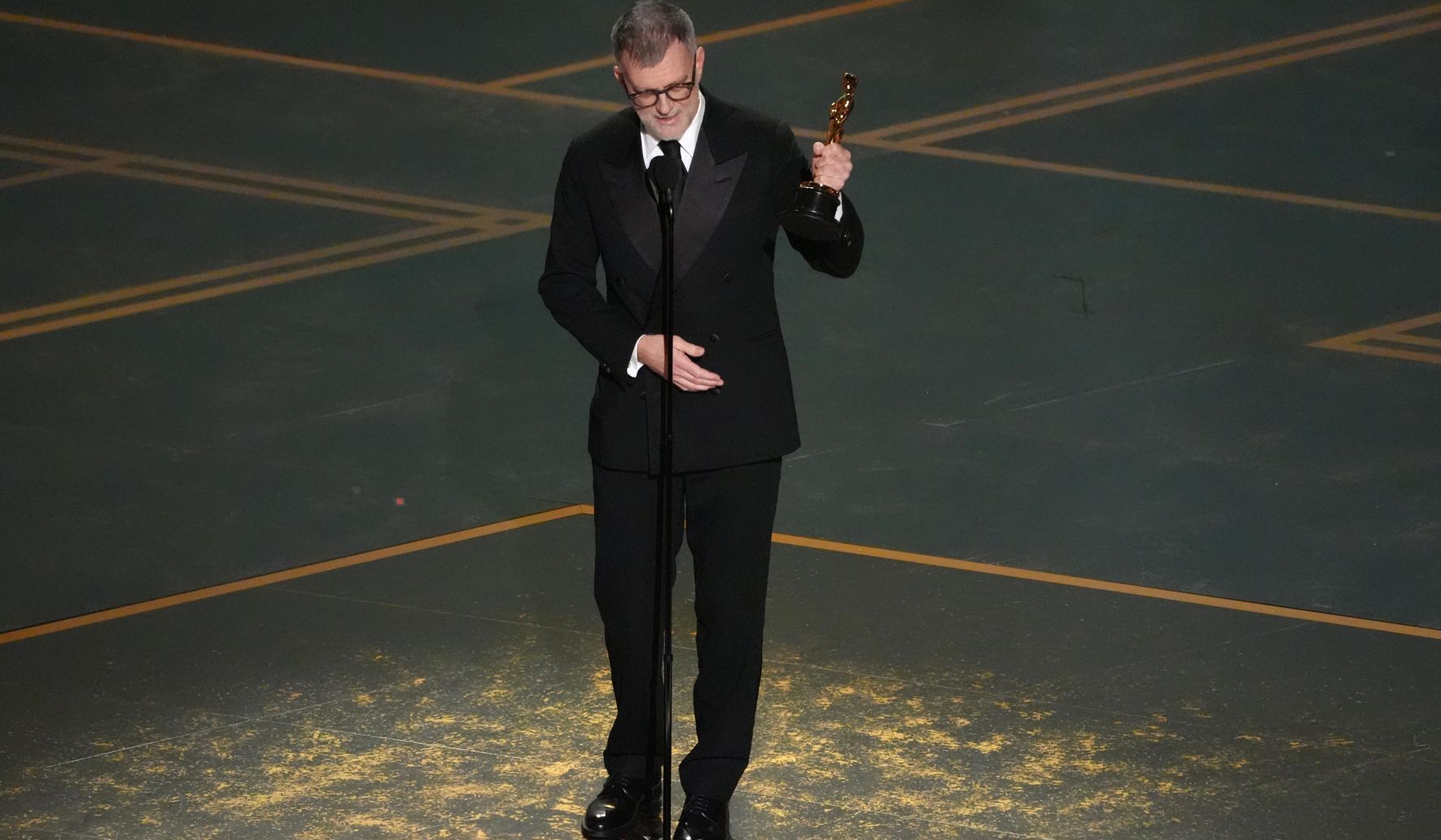
Paul Thomas Anderson and Ryan Coogler each won their first Oscars, tributes were paid to Robert Redford, Diane Keaton and Rob Reiner, and an absent Sean Penn won best supporting actor at the 98th Academy Awards.
The 98th Academy Awards delivered a night of milestone wins and emotional recognition as two filmmakers collected their first Oscars. Paul Thomas Anderson and Ryan Coogler both walked away with top honors, marking career peaks that many felt were overdue. Those wins stood alongside heartfelt tributes to industry icons whose influence spans decades.
Anderson and Coogler earning their first Oscars became the evening’s central notes, a reminder that long careers can still yield new validation. Their victories prompted conversations about craft, perseverance, and the changing landscape of filmmaking. The awards highlighted both established voices and the evolving tastes of an Academy willing to celebrate different kinds of storytelling.
Tributes paid to Robert Redford, Diane Keaton and Rob Reiner punctuated the night with reverence for cinematic history. Each tribute acknowledged a distinct legacy: Redford for his on-screen presence and off-screen influence, Keaton for a unique blend of charisma and depth, and Reiner for a body of work that shaped comedy and drama alike. Those moments tied the present ceremony back to decades of film culture and craftsmanship.
The evening also featured one of the more unusual award moments: Sean Penn was not present when he won best supporting actor. His absence became part of the story, a reminder that winners are sometimes celebrated even when they cannot or choose not to attend. That dynamic underscored how awards can spotlight careers independently of the night’s red carpet spectacle.
Beyond the headlines about who took trophies home, the ceremony served as a snapshot of the industry’s current mood. There was a mix of celebration and tribute, of newcomers and longstanding figures receiving attention on the same stage. The Academy’s selections and the evening’s programming offered a look at which voices are being honored now and how the community remembers its influential contributors.
For audiences and industry watchers, first-time wins for filmmakers like Anderson and Coogler carry symbolic weight. They reflect not only personal achievement but also a broader acceptance and recognition of the kinds of films those directors make. Winning an Oscar at this stage in a career often reframes a filmmaker’s body of work and opens new conversations about their place in cinema history.
Tributes to Hollywood veterans reminded viewers that award shows are as much about preserving memory as they are about celebrating current success. Honoring Redford, Keaton and Reiner placed a spotlight on careers that influenced generations of performers and filmmakers. Those segments offered a moment to acknowledge how past work continues to shape contemporary storytelling.
The absence of a winner can alter the tone of a ceremony, turning an award into a headline rather than a live acceptance moment. Sean Penn’s win without a live presence prompted reflection on how the industry handles recognition in shifting cultural and personal contexts. Whether through speeches, prerecorded messages, or silence, the moment illustrated the many ways awards intersect with individual choices.
Overall, the 98th Academy Awards stitched together milestones, memorials, and unexpected turns into a single evening. The combination of first-time Oscars, tributes to established figures, and absent winners created a layered narrative across the night. Viewers and participants left with plenty to talk about, from career-defining victories to the ways the ceremony honored the past.

