
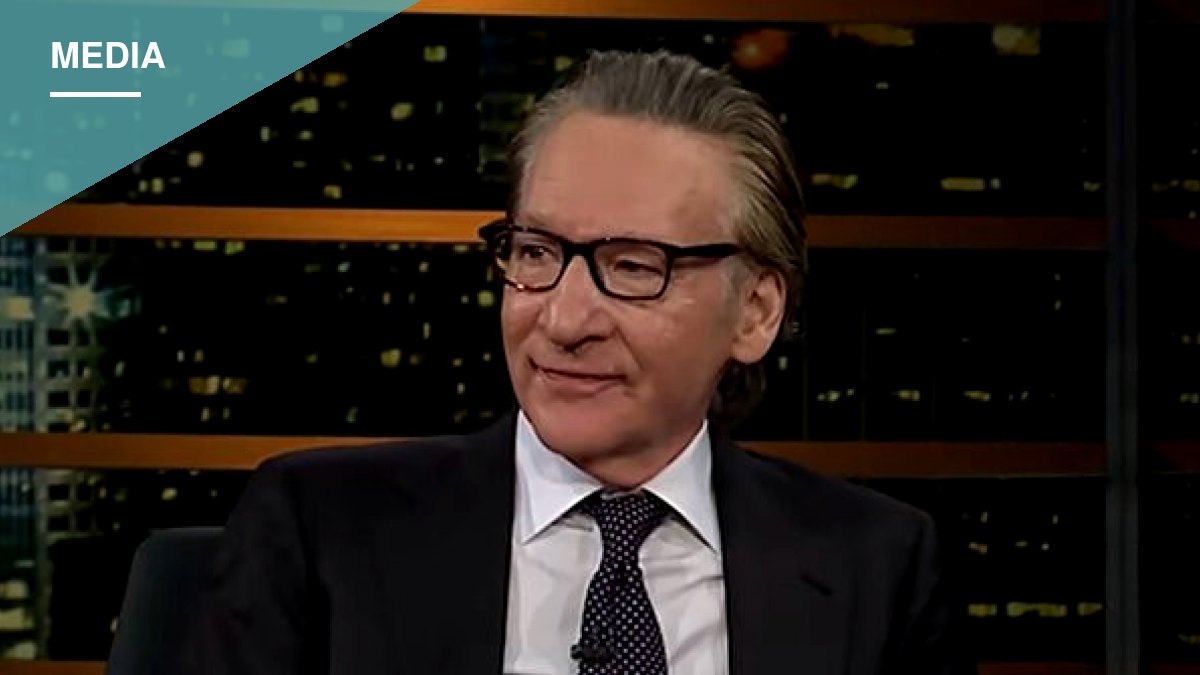
Bill Maher said during the online “Overtime” segment of HBO’s “Real Time” that pursuing President Donald Trump over self-dealing “is not going to affect anything in people’s lives,” even as he acknowledged the conduct itself is wrong.
“It is a bit of a Hobson’s choice, is it not, when crimes are committed?” Maher said. “Yes, you don’t want to look like you’re engaging in lawfare. On the other hand, you kind of just can’t let them go on unpunished.”
Maher noted that polling shows corruption as voters’ top issue, but said it’s bound up with pocketbook concerns rather than existing as a separate grievance.
“Parnas Perspective” host Aaron Parnas pushed back, arguing there’s a direct link between holding wealthy figures accountable and everyday affordability. “When you hold the wealthiest in our country accountable, you will make life more affordable. That is just the fact,” Parnas said.
Maher questioned the claim. “Well, that’s vague. What do you mean hold the wealthy — you’re not saying that the wealthy don’t pay a lot of taxes?” he asked.
Parnas clarified he meant “the tech oligarchs” and “the wealthy in the President’s Cabinet who have engaged in massive amounts of corruption over the past 18 months, enriching themselves over — through the presidency.”
“But that kind of — it’s wrong, don’t get me wrong, but that kind of money, they say Trump is worth like 3 billion more than when he — $3 billion is not going to affect anything in people’s lives. It doesn’t make it any less wrong, but let’s not pretend that that is going to affect people’s lives. If you took all of Elon’s $1 trillion away, would that even — would even that affect a lot of people?” Maher said.
The exchange captured a broader tension in the current debate over accountability for wealthy officials: whether exposing or punishing self-enrichment at the top actually translates into relief for ordinary Americans, or whether it mainly serves as a moral reckoning separate from household budgets.