

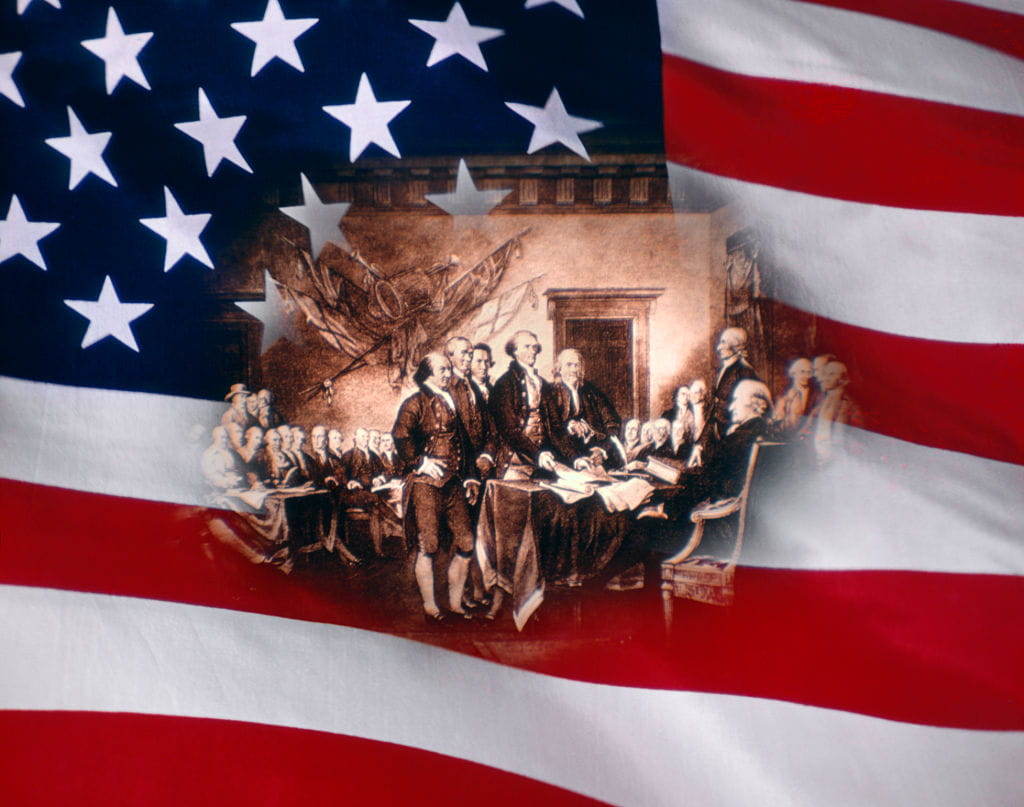
People gathered on the State House Yard beneath a clear sky, drawn there by the tolling of bells and held by a mix of curiosity, habit, and a shared civic rhythm.
The crowd stood as if it were a single body breathing in and out, an unconscious, restless shuffle under an open sky. The scene felt intimate and reverent at once, with low conversation flowing through groups like whispers in a church. It was a public moment that carried private weight for everyone present.
They had been summoned by the bells of the city, a sound that cut through everyday noise and demanded attention. Men, women, and children arrived together, the youngest clinging to a parent while older faces scanned the square. The bells turned routine into ritual and pulled strangers into the same space.
Among them were Continental soldiers, their uniforms marking service and sacrifice in a way ordinary clothing could not. Working-class laborers came straight from their tasks, boots dusty and hands still marked by the day’s work. Merchants and farmers stood nearby, each person bringing a different angle on life into the same common ground.
The weather itself felt like a participant; it was described as “bright and sunny,” which made the gathering easier to bear and gave the crowd a lighter tone. Lightened by sun, people kept shifting their weight and exchanging glances, caught between impatience and patience. The day’s brightness contrasted with the uncertainty that hung over the assembly.
Conversations stayed low, as if the square had become a house of God where loud voices would be out of place. That hush did not mean agreement, only attention—an acknowledgment that something public was underway. The quiet allowed each person to listen for cues, for the next bell, for the voice that would tell them why they had come.
The mix of social classes turned the yard into a live map of the city’s makeup, with different rhythms and expectations colliding politely. Laborers and soldiers brought an earthy, immediate energy while merchants and farmers added practical concerns about trade and harvest. Children ran on the edges of the crowd, curious and unconcerned about the adult questions that weighed on the square.
There was a sense that no one fully knew what would happen next, a shared uncertainty that made the crowd both anxious and oddly united. That unsteadiness produced small rituals: people folded their hands, cracked jokes, or lit a cigarette and watched the smoke drift up. Even restlessness became a form of participation, evidence that the gathering mattered.
City bells have a way of translating private life into public action, and here they performed that translation cleanly. They summoned the ordinary and the extraordinary alike, pulling a cross-section of society into a single, focused moment. In that way the State House Yard became a stage for collective attention, brief and intense.
As people waited, the square collected stories—snatches of news, rumors, and the sort of speculation that travels faster than any official bulletin. Some faces held hope, some held worry, and most carried a practical curiosity about what the next public announcement might mean for daily life. Whatever followed, the gathering itself had already done its work by bringing a city together, even if the future remained unwritten.

