

A growing debate in California over how to close the state’s housing shortage is highlighting a sharp divide between state lawmakers pushing dense, transit-oriented high-rises and critics who argue the state should instead expand single-family home construction outward.
Realtor.com estimates the United States faces a national housing gap of roughly 4 million units, a shortfall that has hit California particularly hard given the state’s high cost of living and land-use restrictions.
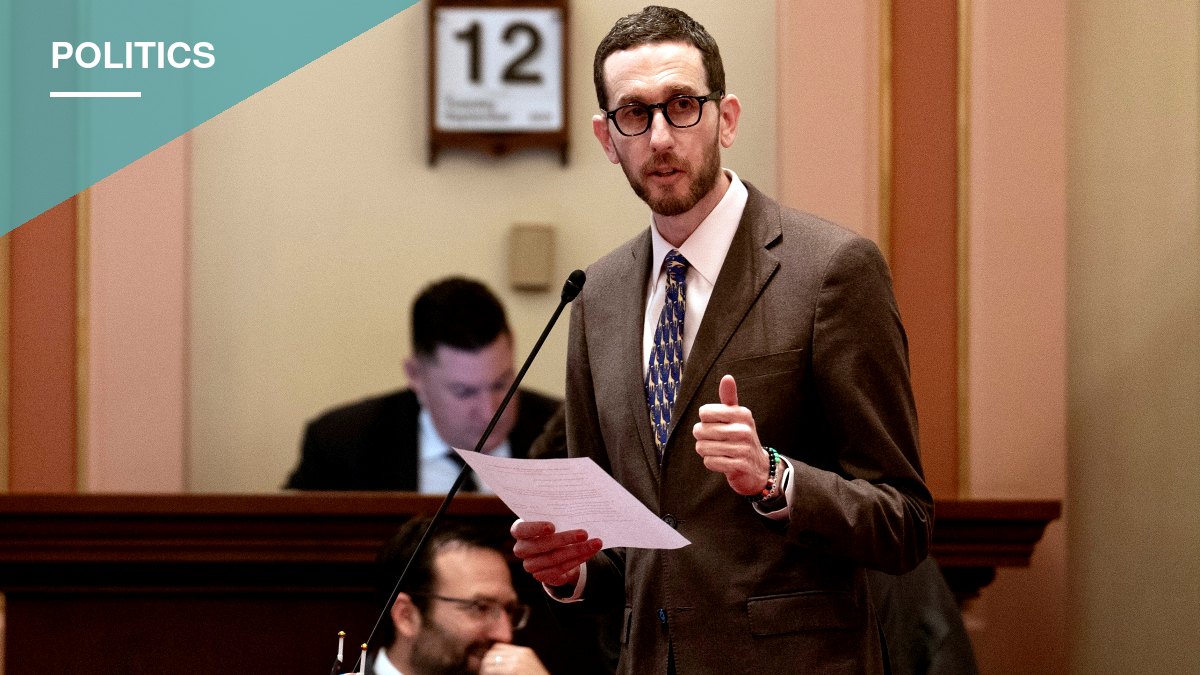
State Sen. Scott Wiener has authored SB 79, legislation that overrides local zoning authority to permit high-rise apartment construction near transit hubs. The bill is meant to speed housing production by concentrating new units in dense corridors rather than leaving the decision to individual city and county governments.
But the rollout of that approach has been slow, and critics argue it runs counter to what most Californians actually want in a home. Gubernatorial candidate Steve Hilton has summarized an alternative approach with a simple phrase: “Build outwards, not upwards.”
A Cultural Divide Over Housing
Supporters of the outward-growth approach argue that Americans, including Californians, continue to prefer single-family homes with yards, driveways and privacy over high-rise apartment living. They point to a long history of cultural skepticism toward suburban single-family housing among policymakers, tracing back to the 1960s protest song “Little Boxes,” written by Malvina Reynolds and performed by Pete Seeger, which criticized suburban homes as conformist and uniform.
Critics of the high-rise-focused strategy argue that single-family homes remain central to the American dream across demographic groups, and that state policymakers should instead focus on building the infrastructure needed to support suburban expansion rather than restricting it.
What Outward Growth Would Require
Proponents of the outward-expansion approach say achieving it would require significant infrastructure investment, including:
- Expanded water storage and energy production capacity
- More roads and public transportation routes designed around actual commuter demand rather than large-scale rail projects
- Modernized suburban infrastructure, including electric vehicle charging stations and high-speed internet access
Advocates for this approach argue that California has the physical space and resources to pursue outward growth while still preserving its farmland, forests and parklands, but that doing so requires overcoming the state’s existing environmental policy framework and a lack of political will to update aging infrastructure systems.
The debate over SB 79 and the broader question of high-rise versus single-family development remains active in California policy circles as the state continues to grapple with its housing shortage.

