

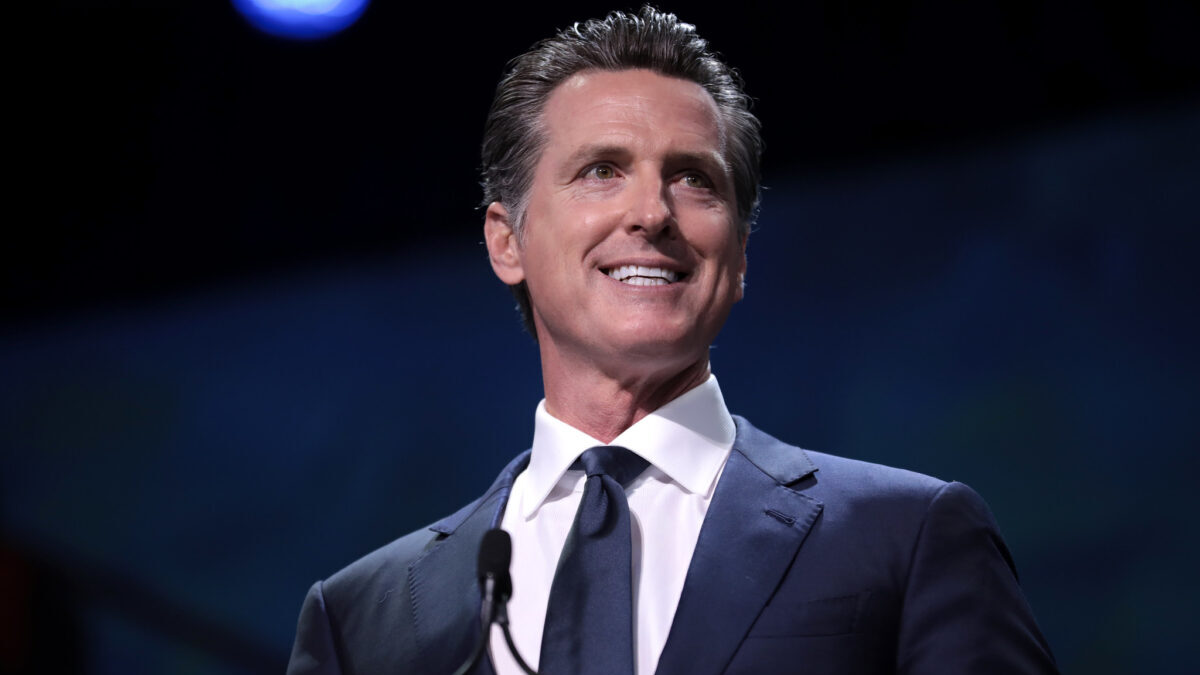
The California governor correctly figures that if he stays on offense, his own dismal record will be ignored, even if that offense looks odd.
Playing offense is a classic political move: control the story and hope voters focus on the spectacle, not the substance. In California’s case that strategy is visible in high-profile speeches, viral moments, and distractions that shift attention away from day-to-day policy outcomes. The tactic can work short-term, but it does not fix the underlying problems voters feel every day.
Look at homelessness, where the visible crisis on city streets is the kind of failure that can’t be spun away with a clever line. Shelters overflow, tents dot neighborhoods, and residents complain about safety and sanitation. When a leader prioritizes theater over clear, measurable results, the people left to suffer are the same ones who will still remember the mess at the ballot box.
Public safety is another area where optics have been used to distract from outcomes. Californians pay attention to rising concerns about street crime, car break-ins, and the general sense that law enforcement is constrained by policy choices. Tough rhetoric without durable policy change leaves citizens hungry for practical solutions that actually reduce crime and restore order.
On the economy, the state’s tax and regulatory environment has pushed people and businesses to look elsewhere. Headlines about migration and corporate departures are not just anecdotes; they reflect real decisions by families and employers who weigh the cost of staying in California. A leader who spends more time putting on a show than addressing tax competitiveness invites further economic pain.
Energy policy is another area where the gap between promise and performance matters. Frequent complaints about reliability and rising utility costs have translated into frustration at kitchen tables across the state. Voters want policies that keep the lights on and bills manageable, not grand pronouncements that ignore implementation and consequence.
Education has been a battleground for competing narratives, with plenty of noise but too little steady progress for students who need it most. Parents want higher academic standards, safer schools, and real accountability for failing districts. When political theater becomes a substitute for steady reform, the kids lose out and the public grows more skeptical of leadership.
The media play a role in this equation by amplifying the offensive moves that make for good sound bites. National coverage can elevate odd moments into distractions that drown out scrutiny of policy records. That amplification helps short-term political survival but does not substitute for delivering tangible results to everyday Californians.
There’s a distinction between campaigning and governing, and that line matters when problems are persistent. Governing requires consistent attention to policy details, measured outcomes, and bureaucratic follow-through—things that rarely get viral. When a politician treats governing like a series of press events, the underlying failures keep growing until voters demand accountability.
Conservatives who critique this approach argue that voters can see through optics and will eventually judge leaders on results: public safety, housing, reliable energy, strong schools, and an economy that keeps opportunity alive. Political theater might help on a headline, but steady, commonsense fixes are what stabilize communities. The test for any leader is whether their tactics produce measurable improvement for people living and working in the state.

