

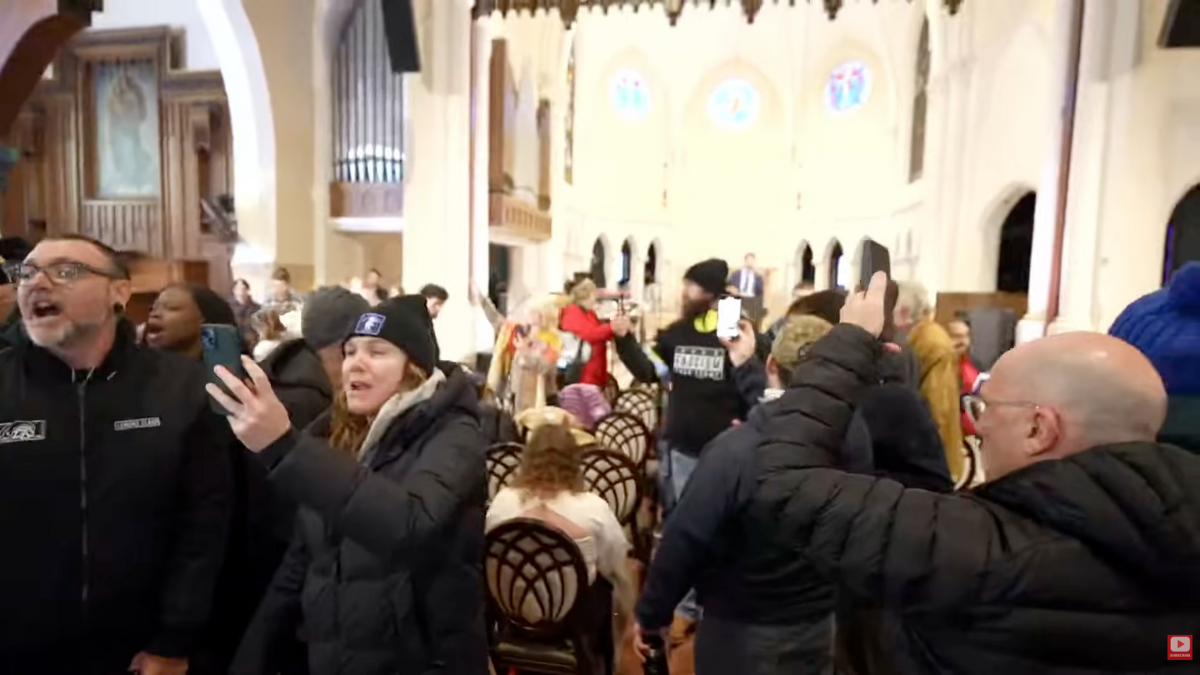
Christian leaders must weigh their responsibilities: prioritize the religious freedom and safety of congregants while offering compassionate pastoral care, respect the rule of law, and avoid actions that undermine legal institutions or expose their churches to legal and moral risk.
Pastors and church leaders face a real tension when immigration enforcement and ministry intersect. It’s reasonable to care for vulnerable people, but reasonable care should not mean putting congregants’ religious freedoms or safety at risk. Leaders should think clearly about where their obligations lie and how to protect the flock.
Religious liberty is not an abstract privilege reserved for slogans or court fights; it’s the practical freedom for a congregation to worship without government interference. When church resources or ministry actions interfere with law enforcement to the point where worship practices are threatened, a red line is crossed. Protecting that liberty must be a priority for any leader who values an enduring ability to serve their community.
Compassion matters. The Bible and centuries of pastoral practice call for care for the stranger, the poor, and the hurting. That care can take many forms: food, shelter for the night, counseling, and legal assistance. But hospitality and sanctuary are not the same as obstructing lawful processes in ways that put a church’s operations or its members in legal jeopardy.
Churches that adopt a sanctuary posture often mean well, but the consequences can be serious. Harboring someone in violation of federal law exposes the institution and individuals to criminal and civil penalties. It can also invite a political backlash that weakens local goodwill and opens congregations to scrutiny from authorities who might otherwise leave religious practice alone.
Leaders should remember the difference between pastoral care and becoming a political shield. Pastoral care remains essential and legal; helping someone find counsel, sheltering them briefly, connecting them to legal representatives, and advocating for humane treatment in lawful ways honors both scripture and civic order. Becoming a shield against enforcement crosses into political action with legal costs.
Religious freedom includes the right to speak and worship without government intrusion, but it does not grant license to flout other laws with impunity. A church that prioritizes protection of individuals in ways that invite government retaliation risks losing its ability to freely practice and teach. That trade-off should be weighed openly and soberly by leadership and congregations.
From a practical standpoint, churches that want to help can do so without compromising religious liberty. They can partner with legal aid organizations, support immigration reform efforts through lawful advocacy, and offer material support that keeps people safe while the legal system runs its course. These routes serve both conscience and civic responsibility.
Leaders also need to consider the internal dynamics of their congregations. Members who expect their church to be a place of worship and spiritual formation may be unsettled if the church becomes a de facto political or legal actor. Protecting a shared space for prayer and teaching requires boundaries that are clear and consistently applied.
There is also a broader cultural stake. When religious institutions get entangled in actions that provoke federal enforcement, the public conversation shifts away from theology and toward legal contests. That shift can erode trust in religious institutions as moral guides and community anchors, which weakens their capacity to influence society for the common good.
Republican-minded leaders will emphasize the rule of law while insisting on humane treatment and practical mercy. That balance respects both national sovereignty and the dignity of every person. It also preserves the church’s long-term ability to minister without government pressure or punitive measures that come from crossing legal lines.
Ultimately, a responsible approach keeps worship and ministry at the center, uses lawful means to assist those in need, and avoids actions that jeopardize congregants’ religious freedom or the church’s legal standing. That posture respects conscience, protects the congregation, and recognizes the limits of what a religious body should do in the face of civil law.
Clergy can model courage and compassion by defending religious liberty vigorously while offering real help to migrants through lawful channels. That combination preserves space for faith to flourish, keeps the church out of legal jeopardy, and maintains moral credibility in the public square. Staying faithful to those principles keeps ministry effective and sustainable.

