

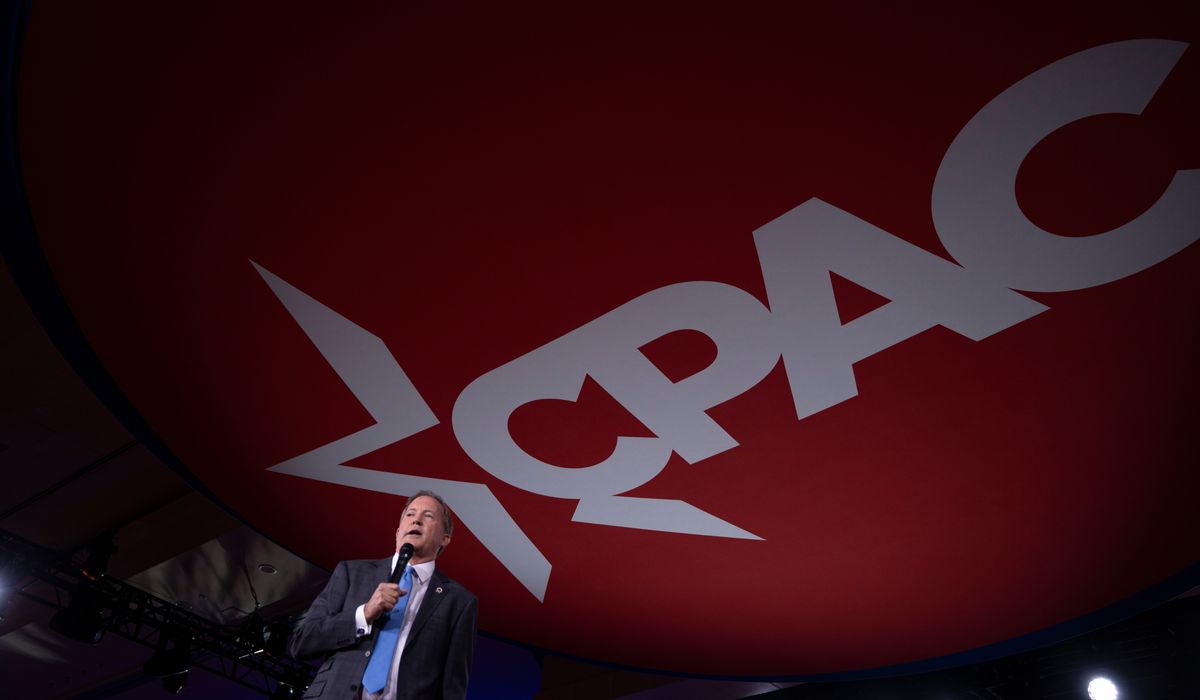
CPAC’s annual straw poll released Saturday overturned the media’s claim of a divided crowd, showing activists united around clear choices and priorities.
The narrative that CPAC was split down the middle took a hit once the confab’s annual straw poll Saturday became public. Reporters had leaned into loud moments and isolated disputes, but the straw poll offered a direct read from the activists themselves. What emerged was less chaos and more coordinated preference, the kind that matters in party politics.
Straw polls are not the whole story, but they matter because they capture energy at a moment when activists are paying attention. Delegates and attendees at CPAC are influencers within the conservative movement, and their collective voice signals where grassroots enthusiasm is heading. Saturday’s results made it clear that the movement is sorting itself around a set of common expectations and candidates.
The consensus at the conference centered on classical conservative priorities: securing the border, strengthening the economy, defending free speech, and pushing back on overreaching federal power. That focus was visible in speeches, banners, and conversations in the hallways, not just in a handful of viral clips. When a crowd lines up behind policy goals, it creates leverage for candidates who want to win primaries and caucuses.
For Republican hopefuls, the takeaway is simple: appeal to the grassroots or get left behind. The CPAC straw poll Saturday showed volunteers and activists are willing to back those who match their priorities and show backbone on tough issues. Candidates who treat the conference as a media photo-op rather than a policy test will find it harder to build durable support.
The media’s fixation on spectacle rather than substance has warped public understanding of conservative gatherings for years. Loud exchanges and procedural fights make for dramatic coverage, but they do not necessarily reflect delegate sentiment. The straw poll offered a corrective: despite the noise, activists are organized and intentional about whom and what they support.
CPAC functions as a proving ground where messaging is stress-tested and coalitions form. Observing which speakers drew the biggest applause and which panels had the most engagement tells campaigns where to double down. The straw poll Saturday amplified those signals, giving campaigns actionable intel about where to invest time and resources.
Grassroots energy is translating into practical advantages: volunteer recruitment, donation momentum, and local organizing that matters on election day. Activists who attended CPAC left with lists of priorities and a renewed sense of purpose, ready to turn enthusiasm into votes. That kind of grassroots machine is the difference between winning tight races and settling for narrow losses.
Candidates who want to capitalize should listen more than they posture. Take policy positions that reflect what activists said at the conference and build durable plans to execute them. The movement rewarded clarity and conviction at CPAC, and that pattern will repeat in state parties and primary contests.
Expect CPAC’s influence to ripple outward as volunteers return home and local leaders pick up the talking points that landed at the confab. The straw poll Saturday didn’t just settle a media debate; it handed the conservative movement a reminder of how unified action can shape political outcomes. Watch how campaigns respond — the activists aren’t just cheering from the floor, they’re setting the terms for the road ahead.

