

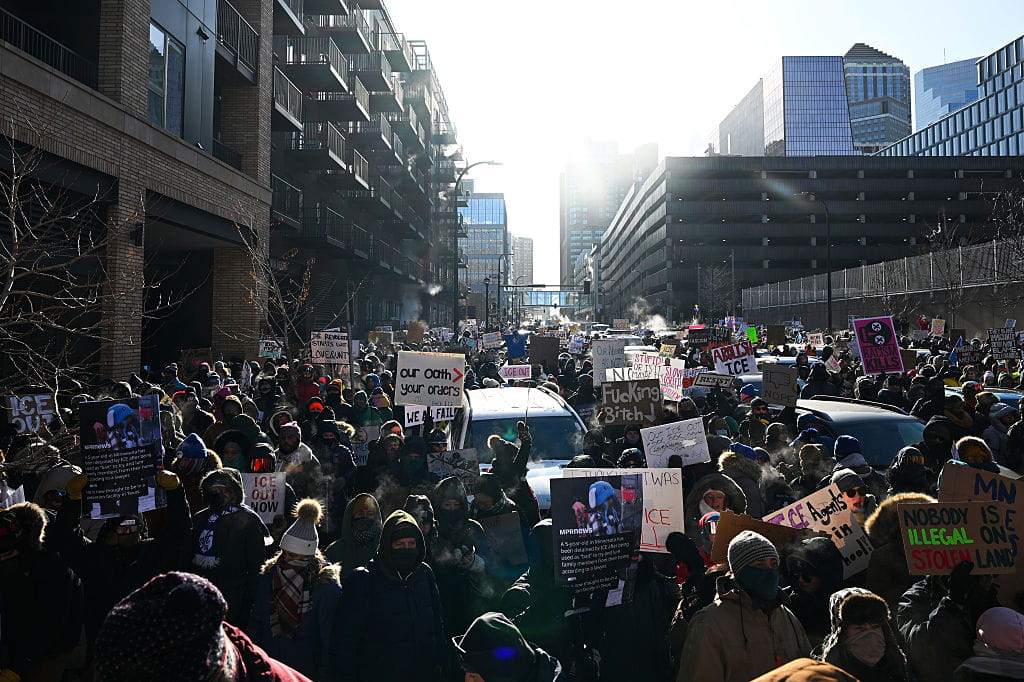
Domestic threats are now front and center for national security, and the new Homeland Threat Assessment makes clear that homegrown violence, online radicalization, and attacks on infrastructure require clearer priorities, smarter intelligence sharing, and firmer law enforcement—while protecting civil liberties.
Domestic security is national security, plain and simple. When homegrown violence climbs the threat list, policymakers and agencies can’t dawdle or treat it as someone else’s problem. The old cartoon line still stings: “We have met the enemy, and he is us.”
The threat landscape now mixes ideologies, lone actors, and organized groups bent on violence, and that complexity demands a focused response. Republicans rightly call for stronger support for local law enforcement and clearer chains of information between federal agencies and state and local partners. Intelligence should be fed to the people on the ground who can act quickly, not buried in bureaucratic reports that never reach patrol officers.
Border security belongs in any honest threat assessment because porous borders make everything harder to control. Illegal crossings and gaps in vetting create vectors for criminal networks and extremists to move people and materials undetected. Secure borders reduce the strain on domestic policing and help stop threats before they reach our streets.
Online platforms are breeding grounds for radical ideas that turn into real-world violence, and the response should be practical and constitutional. Tech firms must face pressure to remove clear calls to violence and to cooperate with lawful investigations, while government avoids trampling free speech. Communities and families also play a role in spotting early signs of radicalization and getting people the help they need.
Critical infrastructure and soft targets remain attractive to attackers because disruption breeds fear and political effect. Protecting energy, water, and communications systems requires public-private partnership and ruthless prioritization of vulnerabilities. Private owners need incentives and clear standards so defenses are not left to chance.
Law enforcement must be empowered to disrupt plots before they happen, but that power has to come with strict oversight that respects constitutional rights. Republicans emphasize law and order but also insist on accountability to maintain public trust. When communities trust cops and prosecutors, they share tips and cooperate, and prevention becomes possible instead of endless reaction.
Political violence and the temptation to label opponents as existential threats are dangerous for civic life. National security tools must not be weaponized for political gains or used to chill lawful dissent. A strong conservative approach pushes back against both violent actors and bureaucratic overreach that can erode liberty.
Training, recruitment, and retention of first responders and investigators are investments, not luxuries, when threats evolve quickly. Agencies need modern tools and a workforce that understands both digital footprints and street-level behavior. Funding should follow mission, with an emphasis on agility and rapid information sharing.
Resilience at the community level reduces the impact of attacks and speeds recovery, and that should be a policy priority. Emergency plans, public awareness, and a clear line of authority during crises make the difference between chaos and control. Building resilient communities also undercuts extremist narratives that portray institutions as weak or illegitimate.
Policymakers can take concrete steps now: prioritize border security, cut through the bureaucratic noise that slows intelligence, hold tech companies accountable for violent content, and strengthen local law enforcement with resources and oversight. That approach keeps families safe while protecting the liberties that make the country worth defending.

