

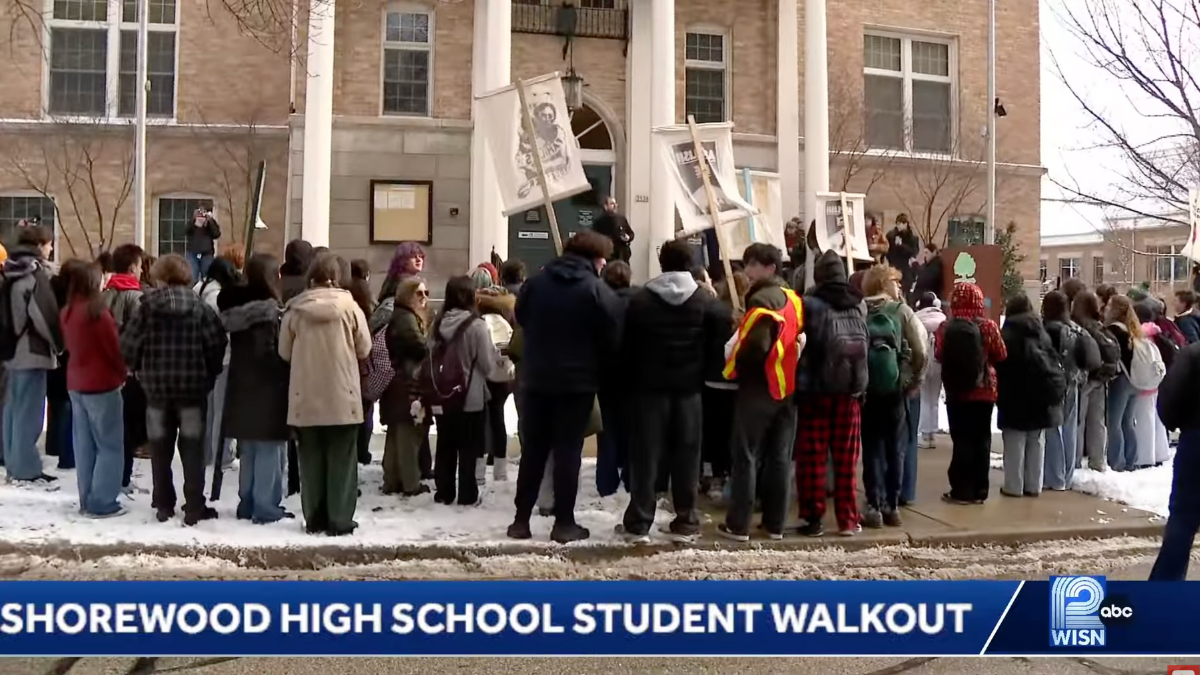
We need clear, enforced limits so schools teach kids reading, math, and citizenship without turning classrooms into political stages or letting adults use students as bargaining chips.
Schools exist to educate children, not to serve as venues for adult disputes. It’s time to enforce the law and ensure that our children are focused on their education rather than on being used as pawns in the political battles of grown-ups. When adults drag politics into classrooms, students lose instructional time and parents lose confidence in the system that is supposed to serve their kids. Clear rules and consistent enforcement bring attention back to learning.
Local and state laws already set boundaries on curriculum, student privacy, and school operations, but those laws mean little without follow-through. Administrators and boards must be held accountable when policy drifts into partisan territory or when classroom activities stray from approved standards. Enforcement is not about silencing concerns; it is about ensuring the school’s mission stays centered on academics and safe development. Consistent application of existing statutes prevents selective enforcement that erodes trust.
Parental rights are foundational to a functioning school community, and those rights must be respected in practice, not only in rhetoric. Parents deserve straightforward notice and the ability to review materials that directly affect their children’s moral and intellectual development. Schools should adopt transparent processes for curriculum choices and guest speakers so families know what their children are being taught. That transparency reduces surprises and rebuilds confidence between families and educators.
Age-appropriate standards are not optional or negotiable; they protect both children and teachers. Content that belongs in civic discussion among adults should not be repackaged for young students who lack the context to process it. Teachers need clear guidance on what is appropriate for each grade level and support when they enforce those boundaries. When schools follow age-based guidelines, classrooms stay focused and teachers can teach without fear of political backlash.
Discipline and classroom management are essential to a productive learning environment, and they cannot be undermined by outside pressures. School leaders should support educators who maintain order and prioritize instruction, while also ensuring disciplinary policies are applied fairly. That means separating political disputes from school discipline decisions so that students are not disciplined or rewarded based on ideological tests. Fair, consistent discipline helps every child learn.
Accountability extends beyond principals to school boards, unions, and contracted vendors who shape what students experience. Boards should conduct regular reviews of policies and materials to ensure compliance with law and community standards. Union protections should not become shields for political indoctrination or for refusing to follow curriculum standards. When oversight is robust, the system corrects itself before problems become entrenched.
State authorities have a role when local systems fail to protect children’s educational interests. Oversight mechanisms, including audits and targeted reviews, can identify where law and policy are being ignored. Legal remedies exist to ensure compliance; invoking them should not be a partisan threat but a tool to restore order when necessary. Proper use of oversight keeps schools accountable to the public they serve.
Finally, the focus must remain practical and child-centered: effective instruction, safe campuses, and respect for families. Policies that return classroom time to reading, math, science, and civics will produce the adults communities need. Law enforcement of existing standards and transparent governance are not political favors; they are basic civic responsibilities. When adults stop using children as leverage, schools can do what they are meant to do—prepare the next generation to succeed.

