

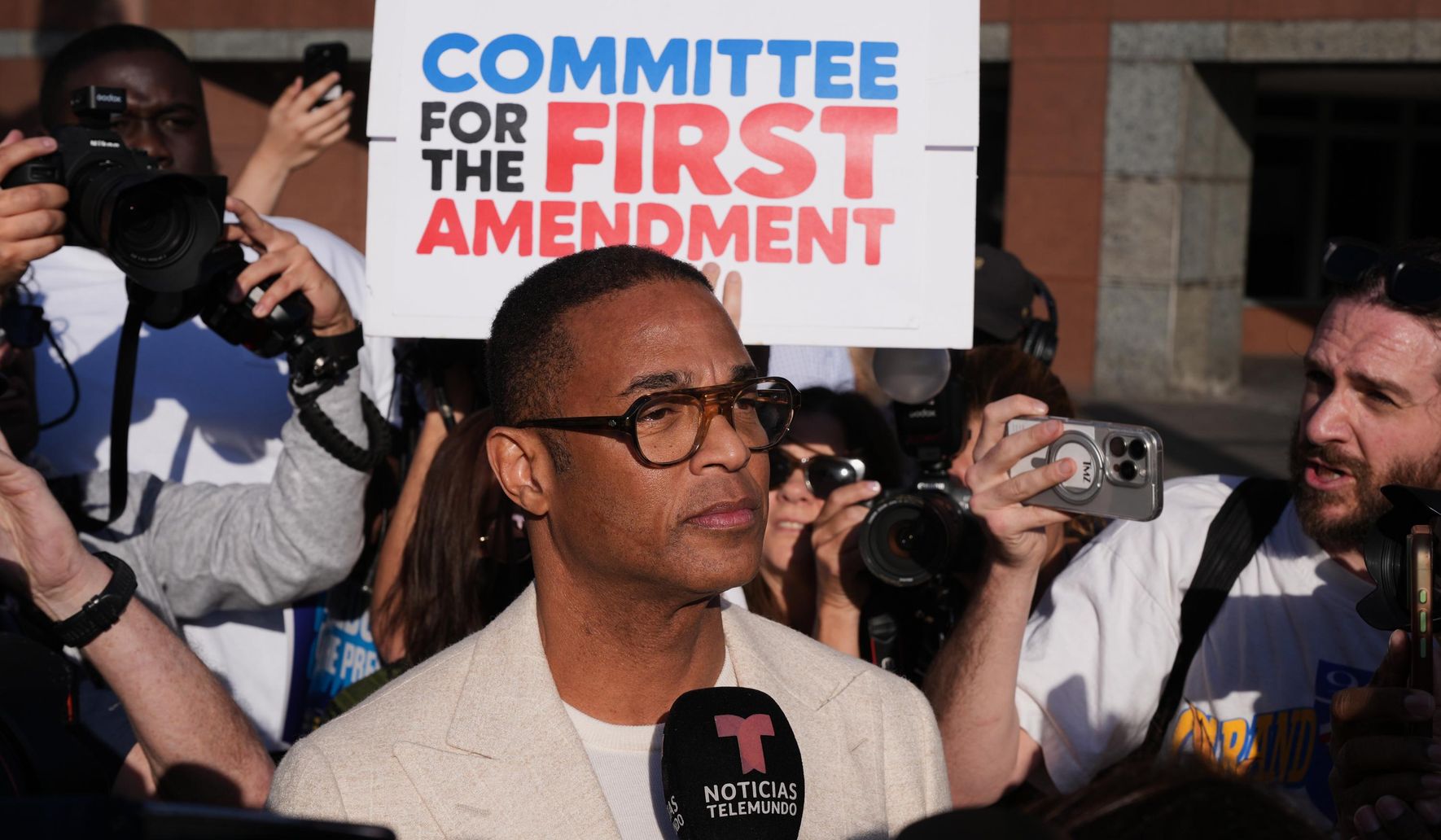
A former federal prosecutor who resigned after a dispute with the Trump administration has signed on to represent former CNN anchor Don Lemon, who was one of nine people indicted for their alleged roles in disrupting events, and the move raises immediate questions about motivations, optics, and the politicization of legal teams.
The prosecutor’s departure from public service amid a clash with the Trump administration was already a headline, and now that same figure is defending a high-profile media personality facing indictment. That combination puts a spotlight on how legal careers migrate between government and private practice, and it forces voters to decide whether such switches are principled or political. Republicans will want answers about motives and consistency before accepting this as ordinary courtroom business.
Don Lemon, once a prominent name at a major news network, is among nine individuals accused of alleged disruptive conduct, and the case has drawn national attention. The indictment alone has become a political football, with media columns and social feeds framing the narrative in opposite directions. From a Republican perspective, public skepticism is reasonable: when high-profile defendants attract elite legal talent, it can look like an attempt to buy favorable optics rather than face facts in the courthouse.
Hiring a former prosecutor is a familiar defense tactic; experience inside the system brings knowledge of investigatory methods, prosecution patterns, and courtroom tactics that can be useful for clients. That practical advantage does not automatically imply wrongdoing by the lawyer, but it does change the conversation about impartiality and public trust. Conservatives who emphasize accountability should watch closely for any signs that past relationships or political disagreements influence defense strategy.
The timing matters. Resigning amid a fight with the Trump administration and then quickly joining a defense team for a media figure indicted in a politically charged case will naturally invite questions about alignment and principle. Critics on the right will argue this arrangement underscores a broader pattern: elite legal players flock to prominent clients for profile and money, not for any higher principle. That critique feeds a larger Republican argument that the legal system is susceptible to influence by reputation and resources.
There are operational questions too: will the former prosecutor use prosecutorial instincts to weaken the government’s case, or will their knowledge instead push the defense to settle or negotiate more effectively? Either way, the defendant benefits from insider experience, and the prosecution has to anticipate a more sophisticated defense. Republicans concerned about equal justice will point out that wealth and connections should not determine courtroom outcomes, and they will demand fair process over theatrics.
Beyond the immediate courtroom dynamic, this development highlights how media narratives and legal realities intersect. A former TV host facing criminal charges is a story that lives both in opinion columns and in legal filings, and each arena has its own rules. From a conservative outlook, the key is to separate sensational commentary from evidentiary facts so the public can judge the case on law rather than headlines.
Watch for how the defense frames its arguments and whether the prosecutor-turned-lawyer leans on past government experience in visible ways, because those choices will affect public perception. Expect partisan reactions to be swift: supporters will call the hire a savvy legal move, while opponents will see it as confirmation that legal elites are playing favorites. Either way, the situation underscores why transparency and adherence to legal standards matter, regardless of which side of the political aisle is involved.

