

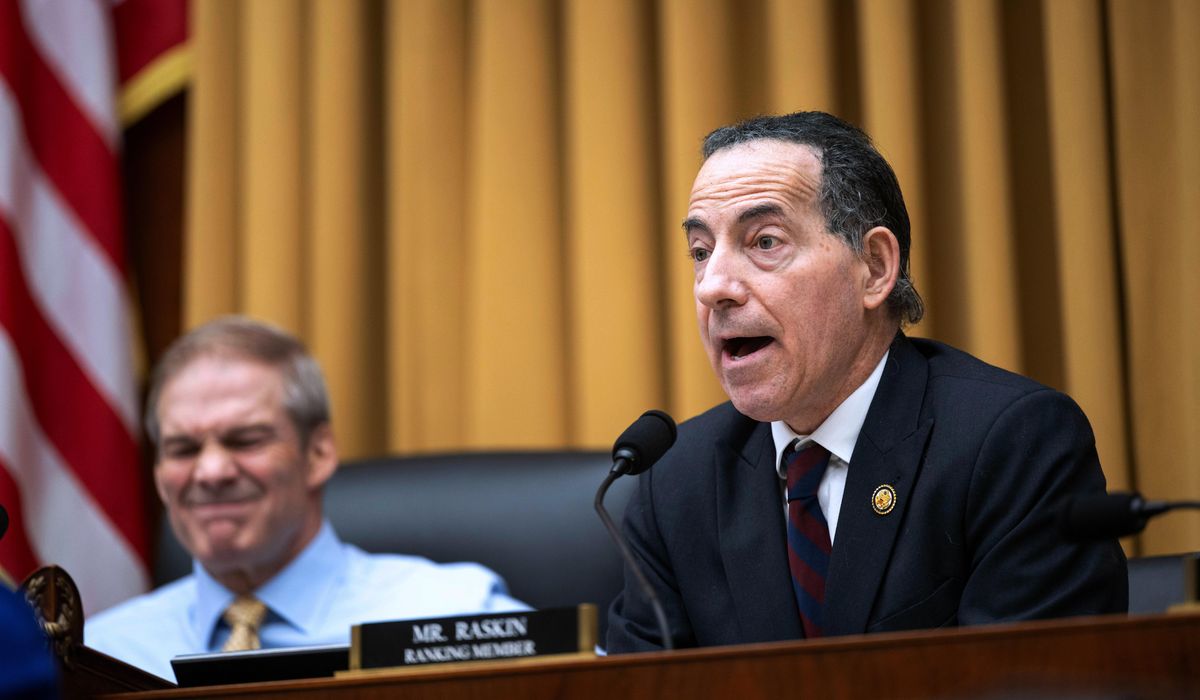
The House on Wednesday rejected a proposed amendment to the U.S. Constitution that would require Congress to balance the federal budget within five years of its ratification. This vote marks a high-profile setback for advocates of strict fiscal rules and opens questions about how Washington will address rising deficits going forward.
The vote landed at a contentious moment for fiscal conservatives who have pushed for a structural solution to chronic deficits. Republicans argue a balanced budget amendment would force leaders to make tough choices and restore trust in government spending. Opponents warned the amendment could hamstring policy during recessions or emergencies.
Supporters framed the proposal as a clear, enforceable fix to runaway spending and growing debt, pointing to the simple five-year timetable as a way to set expectations. They also said that without a binding requirement, political incentives will keep driving deficits higher. Backers emphasized accountability over endless budget gimmicks.
Critics, however, raised practical concerns about implementation and unintended consequences, such as cuts to key programs during downturns or the need for complex carve-outs. Some lawmakers argued that a constitutional rule is too rigid and that budget discipline should come from better policy and fiscal culture. Those doubts proved decisive for many who worry about losing fiscal flexibility.
Constitutional amendments require broad consensus: two-thirds approval in both chambers and ratification by three-quarters of the states, a high hurdle that reflects the gravity of changing the nation’s founding document. Even so, proponents wanted to send a strong signal that Washington would commit to a tighter fiscal path. The five-year enforcement timeline underscored the urgency they attach to reversing deficit trends.
The procedural debate also touched on enforcement mechanisms, with some lawmakers pressing for automatic corrective steps if targets were missed, and others preferring political remedies like requiring supermajorities to pass budgets. That argument highlighted a deeper split about whether discipline should be mechanical or political. Lawmakers worried about delegation of enforcement to unelected officials or blunt automatic triggers.
Economists and policy experts remain divided on whether a balanced budget amendment would help or hurt long-term growth and stability. Proponents say it would lower interest costs and reduce the burden on future generations, while skeptics point to potential short-term harm in the face of shocks. The disagreement reflects broader differences about the role of government in stabilizing the economy.
For Republican lawmakers who favored the amendment, the vote offered a chance to press the case for limited government and fiscal responsibility. They argued that continual borrowing erodes the country’s economic position and that constitutional limits would change incentives in Congress. That message resonated with voters who view unchecked spending as the root of many policy failures.
On the other side, a mix of Democrats and some Republicans sought alternatives that keep flexibility but aim for stronger enforcement through ordinary legislation and budget process reforms. Those proposals include stricter scoring rules, caps on discretionary spending, and targeted entitlement reforms. The choices reflect different philosophies about whether rules or politics can deliver sustainable restraint.
With this amendment defeated, the path forward on addressing deficits is likely to be incremental and politically fraught. Fiscal conservatives will regroup and explore legislative tools, state-level pushes, or fresh amendments in the future. Lawmakers face the task of convincing a skeptical public that any next step will be both effective and responsible.
Debate over fiscal rules is far from settled, and the vote underscores how divisive structural fixes can be even when deficits are on the rise. Washington will continue to struggle with reconciling short-term pressures and long-term obligations, and the question of how to ensure fiscal responsibility remains open. The political and economic stakes ensure this issue will return to the floor and to voters’ attention in the months ahead.

