

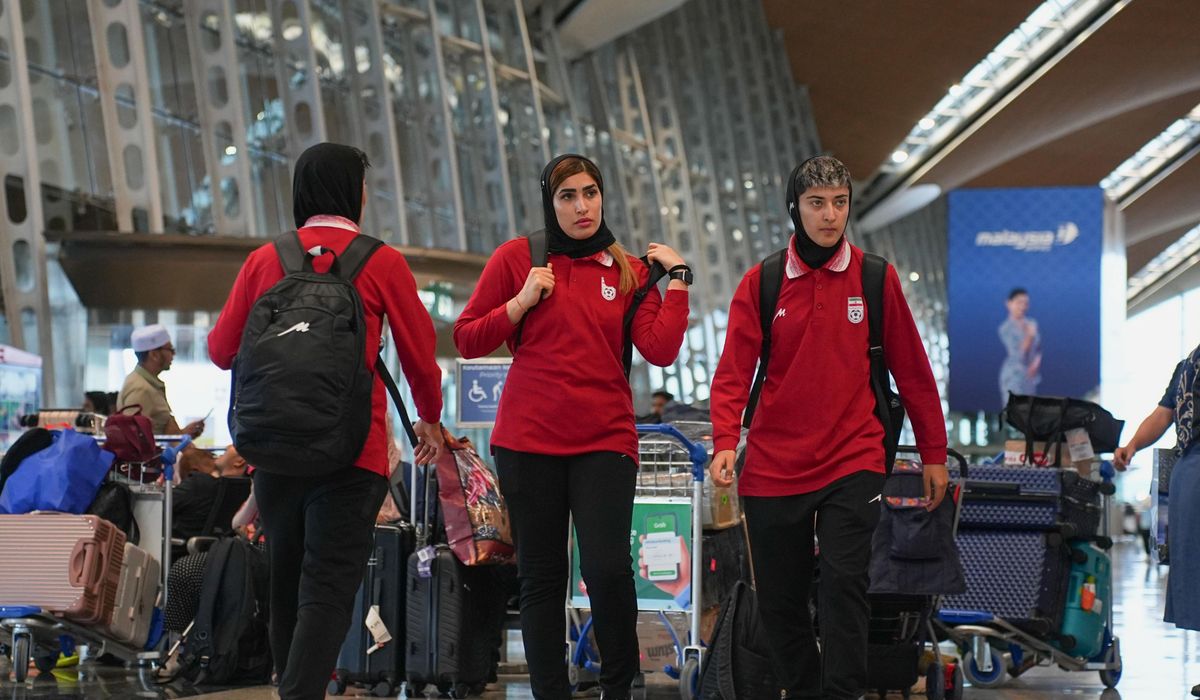
The Iranian women’s soccer team is scheduled to depart Malaysia Monday night, bringing an end to days of uncertainty after most of seven squad members sought asylum in Australia and set off a diplomatic dispute.
The team’s planned departure from Malaysia comes after officials watched the situation unfold with concern and public attention. Most of the seven players who left their delegation triggered a diplomatic furor by seeking asylum in Australia, and the remaining squad has been under pressure ever since. Local hosts and regional football authorities had to manage logistics, safety and optics while the story played out.
For months, the trip was meant to be about sport, competition and representing a nation on the regional stage. Instead, it turned into a high-profile incident touching on migration, human rights and international relations. That mix made the case sensitive for governments, tournament organizers and the team itself.
Malaysia’s role as host suddenly involved more than scheduling matches and assigning training slots. Authorities were asked to balance hospitality with security, while Australian immigration officials became part of the narrative when asylum claims appeared. The result was a diplomatic headache that required careful, behind-the-scenes handling to avoid escalation.
From a Republican viewpoint, the story highlights predictable tensions between allowing people to seek refuge and preserving orderly processes for asylum and travel. When athletes travel internationally, their movement should be secure and clear, and claims should be processed through established legal channels. That protects host countries, protects athletes and keeps sporting events focused on competition instead of controversy.
The Iranian team’s return plan raises questions about coordination between sporting bodies and governments. Tournament organizers had to coordinate with consular staff, transport providers and security teams to ensure a safe exit from Malaysian soil. Those logistics take time and planning, particularly when media interest is intense and emotions run high.
Public response in different countries reflected differing priorities: compassion for individuals, concern for national sovereignty and frustration at any perceived lapses in border control. Each government involved had to juggle those reactions while following their own laws and international obligations. That balancing act is never easy when headlines and diplomatic notes move faster than legal processes.
Sports federations now face an awkward follow-up: protecting players’ welfare while safeguarding the integrity of international competitions. Event hosts must be prepared for crises that aren’t strictly about athletics, like asylum claims and political fallout. Clear protocols and fast communication channels would limit disruption and keep the spotlight where it belongs—on the game itself.
The episode also serves as a reminder for delegations traveling abroad to plan for contingencies, from medical needs to legal advice and transport arrangements. When a small number of people take unexpected actions, it can upend the entire group and complicate diplomatic relations. Better pre-travel briefings and contingency planning could reduce surprises and keep teams focused on performance.
As the squad prepares to leave Malaysia, questions will linger about the next steps for the players who sought asylum and for the national program left behind. Governments will continue to sort through asylum procedures, consular responsibilities and any fallout between capitals. Meanwhile, tournament organizers and federations will reassess how to prevent similar incidents from derailing future events.
What remains clear is that international sport does not happen in a vacuum; it intersects with law, policy and public sentiment. Managing that intersection demands clear rules, strong logistics and respect for the processes that protect both nations and individuals. The team’s departure may close this chapter in Malaysia, but the incident will influence how officials prepare for international competition going forward.

