

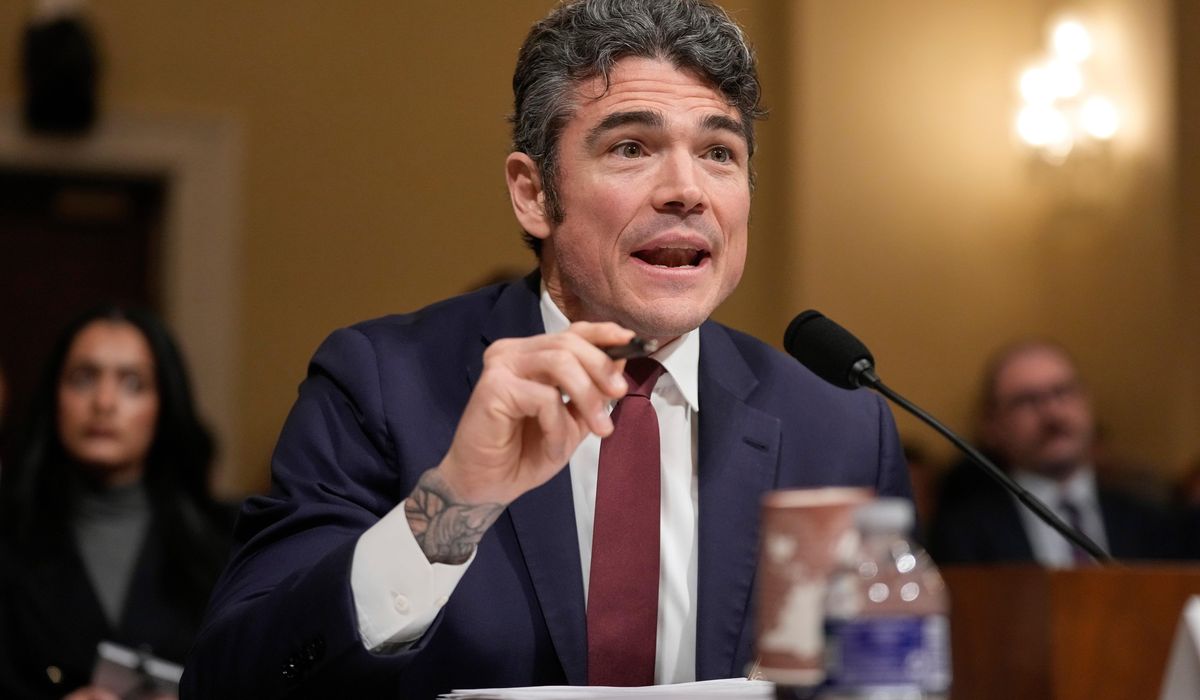
Joe Kent, a former counterterrorism director who resigned over concerns about U.S. airstrikes related to Iran, publicly raised questions about the operation and its handling, saying he and other senior officials had doubts and pushed for answers.
Joe Kent stepped away from his counterterrorism post this week, citing serious reservations about recent airstrikes tied to Iran. His resignation adds an unusual and public layer of dissent inside the national security bureaucracy. For conservatives watching closely, it raises familiar questions about judgement, transparency, and strategic clarity.
Kent told reporters Wednesday that he and other senior officials with doubts about the airstrikes “were no”. That unfinished quote landed awkwardly in coverage, but the takeaway remains: senior officials inside the machine were uneasy. When experienced operatives express doubt, Republicans expect leadership to explain what went wrong and who decided to act.
Resignations at that level are rare and meaningful; they are a hard stop that forces political leaders to account for a chain of command. From a Republican perspective, serving in national security roles comes with heavy responsibilities, and walking away signals a breakdown in trust or in the mission plan itself. The public deserves plain answers on what intelligence guided the strikes and what objectives they served.
Conservative voters support a strong America and a capable defense, but strength also means discipline and clear goals. Sending men and women into harm’s way without a coherent strategy or exit plan is neither brave nor smart. Republicans want leaders who will use military power carefully, with defined aims and measurable results.
Accountability must cover intelligence collection, legal authorization, and tactical execution. Kent’s resignation suggests that at least some officials believed those steps were rushed or incomplete. Lawmakers on both sides should press for a full accounting, but Republicans will be particularly forceful about restoring proper oversight and command responsibilities.
There are practical risks to poorly explained strikes beyond politics: miscalculated actions can escalate regional tensions, create unintended casualties, and weaken alliances. A Republican approach balances deterrence with prudence, ensuring military moves degrade threats without sparking wider conflict. This moment is a test of whether the administration can align actions with long-term national interest.
Bordering on theater, the politics around resignations and airstrikes can distract from the central task of protecting Americans. Conservatives want evidence that operations target actual threats and that civilian oversight functions as intended. If officials inside the system are raising red flags, those flags should prompt reviews, not spin or silence.
Congressional oversight plays a critical role here, and Republicans will push for hearings that are direct and unsparing. The goal is straightforward: reconstruct the decision timeline, assess the intelligence, and ensure legal authorities were properly invoked. Those are not partisan asks; they are fundamental to preserving constitutional oversight and the trust necessary for effective national defense.
Finally, the resignation underscores a deeper issue about how national security advice is weighed and communicated. Republican leadership favors clarity and responsibility at every level, from analysts to cabinet officials. If the administration hopes to maintain conservative confidence on foreign policy, it must show it can act with both strength and restraint while answering tough questions from its own ranks and from Capitol Hill.

