

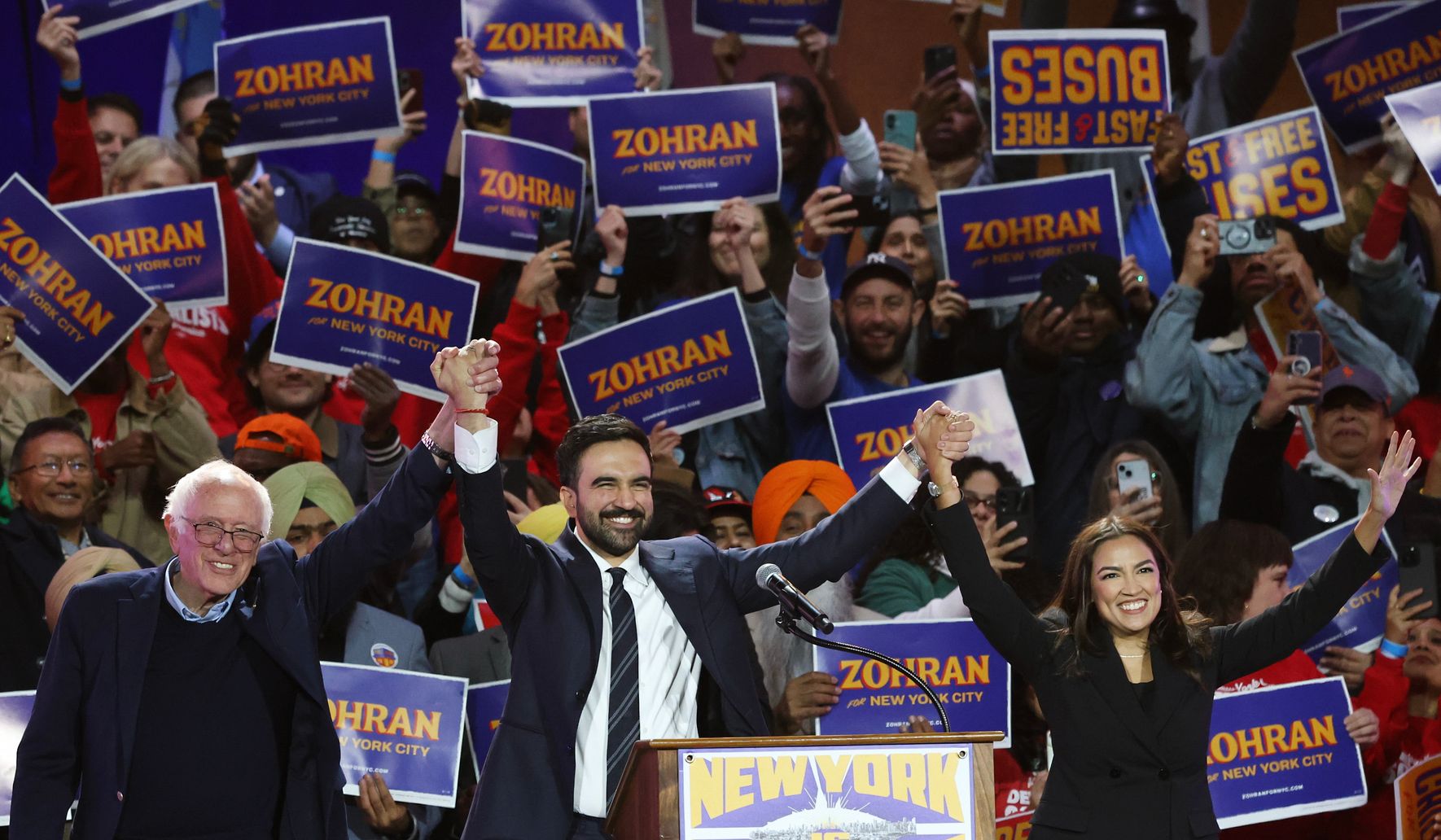
Republican take: left-wing activists are noticing a growing number of young Democrats who are fed up with older party leaders and their failure to deliver on everyday problems.
Left-wing activists are noticing a surge of young Democrats who feel disconnected from the party’s established leadership, and they argue these leaders aren’t fixing the nation’s problems. From a Republican perspective, that disconnect looks like a long-overdue reckoning driven by real-world frustrations. Young voters want results on jobs, safety, and cost of living, not slogans that sound good in a tweet. That impatience explains a widening gap between activist rhetoric and everyday priorities.
The first issue is economics. Young people face rising rents, expensive education, and stagnant wages, and they increasingly blame political elites who promise change but deliver mixed results. Republicans point to policies that have worsened inflation and supply-chain problems as evidence that governing competence matters more than intention. For many young voters, a sober assessment of pocketbook issues trumps identity politics when choosing who to trust with economic policy. That shift explains why some Democrats feel their party is out of step with voters who want practical relief now.
Immigration and borders also drive frustration among young Democrats who expected leadership to balance compassion with order. Older party leaders often emphasize open-door principles, while grassroots activists say unmanaged flows undermine public services and local communities. Republicans argue that clear, enforceable policies would restore confidence among voters who want humane but responsible solutions. When leaders ignore those concerns, they risk alienating the very people they need to mobilize at the ballot box.
Public safety is another area where younger Democrats are souring on senior figures who lean toward symbolic reforms over actionable results. Cities struggling with crime and quality-of-life issues force residents to weigh abstract ideals against everyday safety. Republicans believe voters respond to candidates who promise accountability and practical fixes, not just rhetoric about systemic change. As young people judge leaders by whether their neighborhoods feel safer, political loyalties can shift quickly.
Cultural issues have contributed to the divide, too, though not in the obvious way. Young progressives often started in activist circles focused on a broad mix of causes, from climate to social justice, but many have matured into voters prioritizing stability and prosperity. When party elders keep emphasizing culture-war battles while neglecting policy delivery, it creates weariness. Republicans see this as an opening to compete for voters who want less performative politics and more stable governance.
Organizationally, the Democratic Party’s structure feels stacked against fresh voices taking the reins. Long-serving leaders control committees, fundraising networks, and endorsements, which can leave new talent sidelined. Young activists within the party complain that established power centers resist change, which fuels the sense of betrayal among those who once believed the party would evolve with them. Republicans argue that healthy turnover and accountability are essential in any party that wants to stay connected to its base.
Electoral consequences are already visible in swing districts and in youth turnout data that suggest enthusiasm can evaporate without tangible policy wins. Republicans interpret these trends as confirmation that voters reward competence and clear priorities over identity-driven appeals. If the Republican message focuses on pragmatic solutions to everyday problems, they expect to win over disaffected young Democrats who want leadership that actually delivers. That calculus changes campaign strategies and how both parties approach messaging to younger cohorts.
Finally, the tone of politics matters. Young people drawn into politics by outrage often grow impatient with a daily diet of moral superiority without measurable progress. Republicans say this fatigue is understandable and predictable when practical problems pile up. Leadership that listens, adapts, and produces results will always have an advantage over leaders who rely on idealism alone. The coming cycles will test whether establishment figures can respond to a new generation demanding results or whether the party will continue losing ground among voters who want less talk and more action.

