

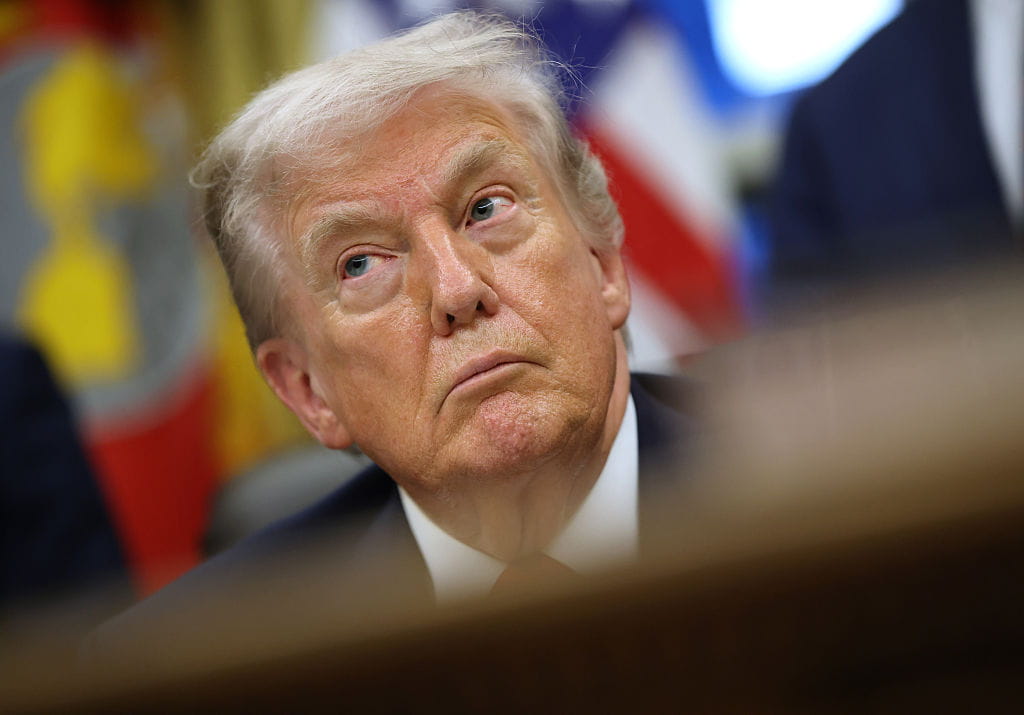
On this week’s edition of Liberty Nation Radio, we examine just how fractured the globalist outlook already was, and why Donald Trump upping the ante was bound to happen.
The old globalist consensus has been cracking for years, and that break shows up in trade, energy, and security decisions around the world. Elites clung to the idea that national sovereignty could be sidelined for the sake of international institutions, but voters pushed back. That pressure made a tougher, more America-first posture inevitable.
Economic policy exposed the gap between globalist theory and everyday reality, with supply chains and manufacturing fleeing communities that once built the middle class. Voters saw jobs shipped overseas while regulators and technocrats celebrated abstract efficiencies. The result was a political backlash that demanded leaders who would put American workers first.
On foreign policy, the globalist playbook favored layered alliances and perpetual commitments, often without clear national-interest payoffs. The public grew wary of endless wars and unfunded guarantees, which created room for a leader willing to rethink obligations. That rethink is what many call Trump upping the ante—shaking up alliances and negotiations so they actually serve American priorities.
Energy independence made the split even clearer, as green orthodoxy and import dependence left the country vulnerable and activists praised shutdowns. Republicans argued for using abundant domestic resources to secure jobs and power the economy while cutting reliance on hostile suppliers. Reversing the energy deficit became a straightforward test of whether policy serves citizens or ideology.
On immigration, the globalist tendency toward open borders collided with a public demand for secure lines and fair enforcement. Communities across the country felt the strain of porous entry and pressured leaders to restore order. That pressure helped legitimize firmer stances on enforcement, asylum processing, and border infrastructure.
International trade talks and tariffs revealed another disconnect: free trade that ignores strategic industries can hollow out a nation’s capacity to defend itself in crisis. Conservatives pushed for supply chain resilience and selective protection for critical sectors rather than blind liberalization. Those moves are often criticized by globalists as protectionist, but they aim to preserve national strength and jobs.
Political institutions and media elites also played a role in the split, defending a status quo that increasingly looked out of step with popular sentiment. When Washington routines ignore voter priorities, leaders who break with those routines can win broad support. That dynamic explains why bold moves don’t just shock—they respond to a clear public mandate.
Calling it “upping the ante” captures both the tactical risk and the strategic payoff of shifting toward assertive diplomacy and stronger borders. Republicans see this as reclaiming the centerpiece of governance: protecting citizens first. The aim is to make foreign policy and domestic policy alike accountable to the people who bear their consequences.
Policy debates will continue, but the core lesson is simple: a fractured globalist outlook opened the door for leaders who are willing to put national interest ahead of abstract global arrangements. That willingness to act, even if it unsettles long-standing alliances or institutions, reflects a demand for tangible results at home. If politics is a measure of public priorities, then the recent shifts are a clear signal that voters want governments to deliver for them first.

