

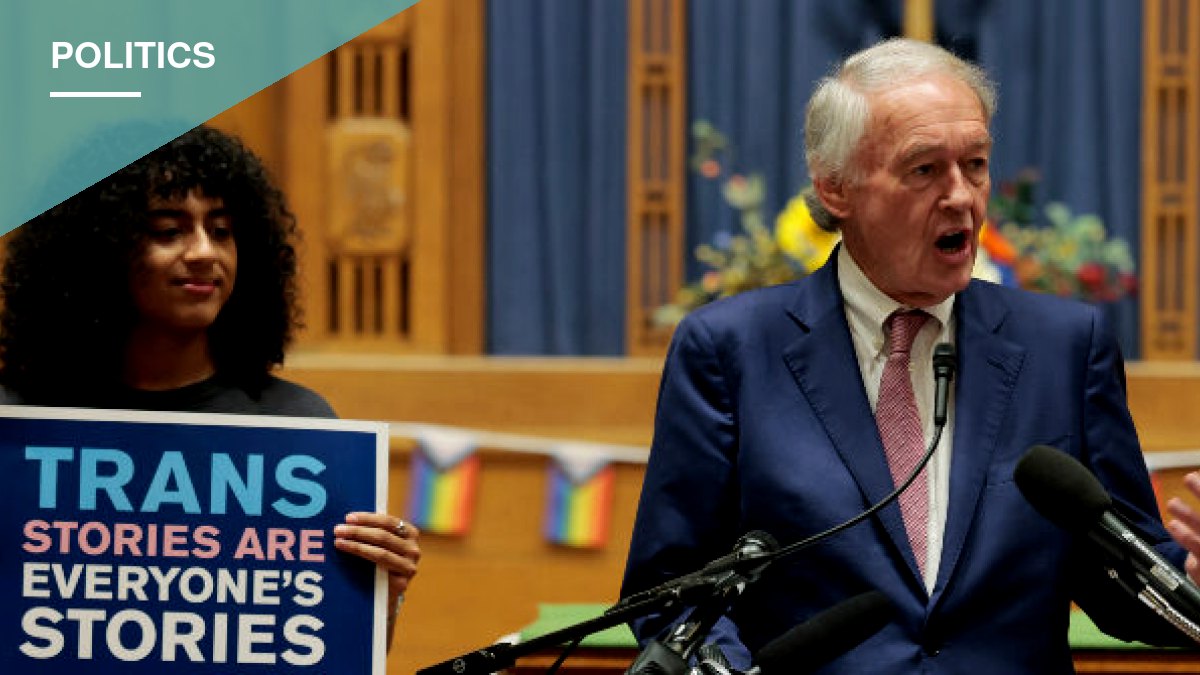
Sen. Ed Markey (D-MA) is facing criticism after posting on X that he is seeking interns for his Boston office and specifically encouraging “BIPOC,” LGBTQ+, and other “underrepresented” candidates to apply.
Markey’s post, advertising a spring 2027 internship, read: “I’m hiring motivated and eager interns for the Spring 2027 semester in my Boston office. BIPOC, LGBTQ+, working class, veterans, and other underrepresented candidates with Massachusetts ties are encouraged to apply. Applications are due Monday, November 9th.”
The post quickly drew pushback from critics who argued that singling out specific racial and identity categories for encouragement raises civil rights concerns for a sitting U.S. senator.
“Crazy that a United States Senator can openly violate civil rights law on Twitter,” City Journal’s Christopher Rufo wrote.
Rep. Brandon Gill (R-TX) asked directly, “Are white men allowed to apply, Senator?” Blake Neff, co-host of The Charlie Kirk Show, wrote, “The Democratic Party as an institution is premised on despising ordinary young white men.”
Parker Thayer, an investigative researcher at the Capital Research Center, suggested the post could invite legal scrutiny: “Harmeet Dhillon’s office is probably popping the champagne over this tweet already. Seems like Markey is catching a civil rights grenade here.”
Judicial Watch president Tom Fitton wrote, “Left-wing senator makes it clear who he will not hire,” while conservative journalist Nick Sortor asked, “Wouldn’t it have been easier just to say ‘straight White men need not apply’?”
Markey’s underlying job posting for the Boston office internship describes ideal applicants as “highly motivated individuals who possess strong writing, research and interpersonal skills,” with backgrounds “in political science, international relations, environmental studies, liberal arts, and communications” listed as desirable. The posting also states that Markey’s office “is an equal employment opportunity employer in accordance with the requirements of Senate Rules and Regulations and applicable federal laws.”

