

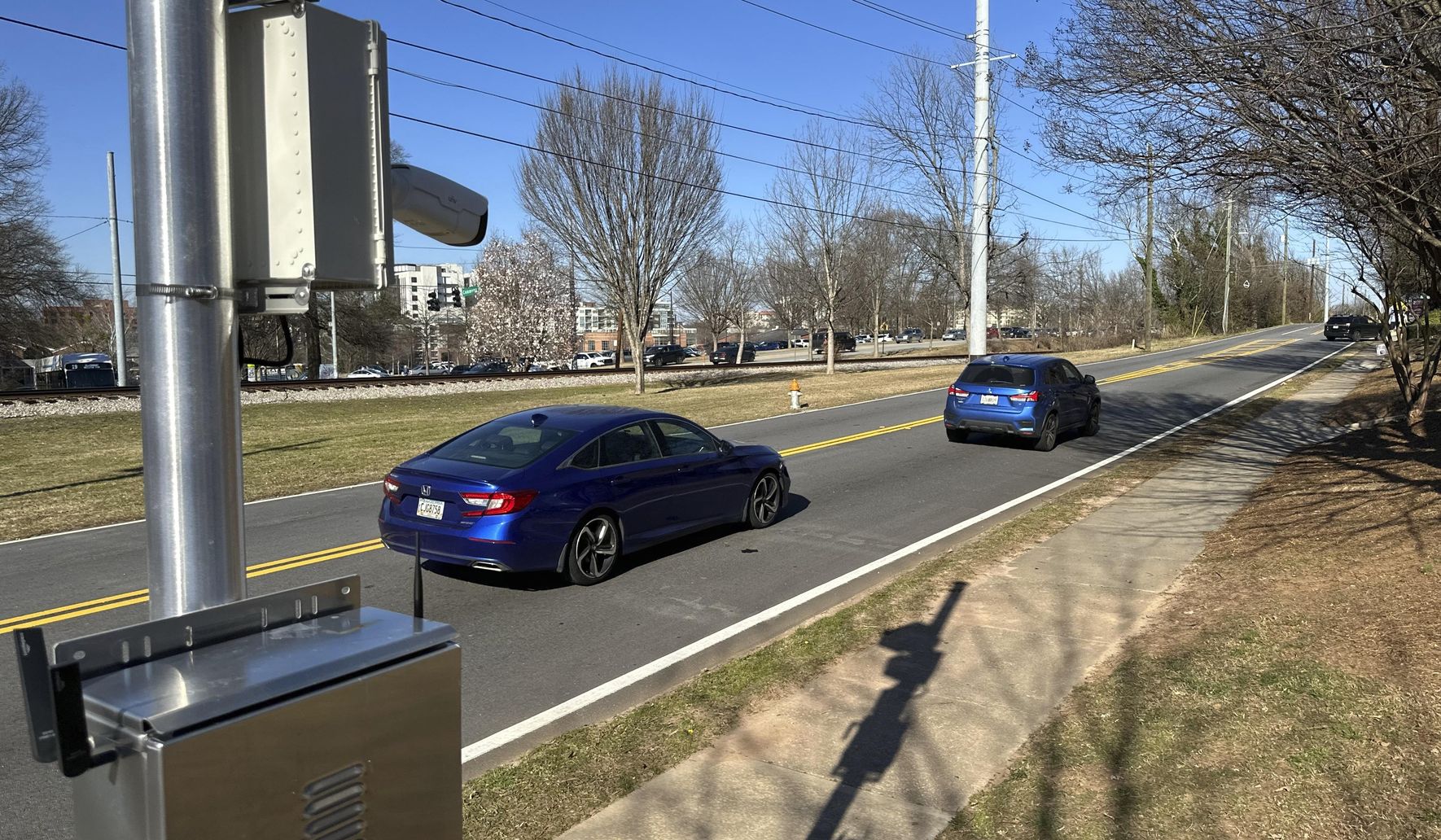
Maryland lawmakers are weighing a bill that would let the state swap enforcement responsibilities with other places so ticketed drivers could face collection or penalties across state lines.
A bill in the Maryland Senate would allow the state to enter into reciprocal agreements with other jurisdictions for speed and traffic camera violations. That one line sets the frame: lawmakers are proposing to make it easier for Maryland to cooperate with other states or localities on enforcing traffic-camera citations. From a Republican viewpoint, this raises questions about individual rights, fair notice, and unwelcome expansion of government reach into everyday driving.
The proposal aims to create a system where a ticket issued by an automated camera in one place could trigger action in another, such as registration holds or collection efforts. Supporters argue reciprocity closes loopholes that let scofflaws evade consequences, but the push to cross-share enforcement powers also risks turning routine traffic stops into interstate administrative entanglements. Conservatives worry this converts civil fines into de facto licensing penalties without robust due process protections.
One key concern is accuracy and accountability: camera evidence must be airtight when it can lead to penalties in another jurisdiction. Cameras and software can misidentify drivers, misread plates, or fail to account for rental vehicles and corporate fleets, and the stakes rise when penalties follow motorists across borders. Republicans typically press for stronger verification, clearer appeal processes, and rigorous audits before any interstate enforcement is allowed.
Privacy is another hot issue. Reciprocal enforcement deals may involve sharing vehicle registration databases, owner information, and citation records between governments, and that data exchange needs strict limits. Conservatives favor narrow data use rules, short retention windows, and penalties for misuse to prevent a creeping surveillance state that tracks ordinary travel for revenue collection. Any compact should explicitly prohibit data sharing for unrelated enforcement or commercial uses.
There is also a question of incentives: when a jurisdiction benefits financially from camera citations, reciprocity risks institutionalizing profit-driven enforcement. Republican critics point out that when ticket revenue funds local budgets, cities and vendors can have an incentive to maximize citations rather than prioritize safety. Any reciprocal agreement should strip profit motives out of the process and require transparent reporting on how revenues are used.
Practical safeguards should be built into any compact: timely notice to vehicle owners, a clear and simple appeal route, and limits on escalating civil fines into license suspensions or registration blocks without judicial review. Republicans favor keeping courts in the loop so an impartial judge, not an administrative transfer, decides severe penalties that curtail mobility or livelihood. State legislators should insist that enforcement equivalence never replaces constitutional protections.
Finally, lawmakers should consider phased implementation with pilot programs and strict sunset clauses so the real-world impact can be measured before full rollout. A cautious approach allows technical glitches, privacy gaps, and due process issues to be fixed without locking drivers into a permanent interstate system. The debate is not about whether roads should be safe but whether expanding cross-border enforcement is the right tool and, if used, how to protect motorists from government overreach.

