

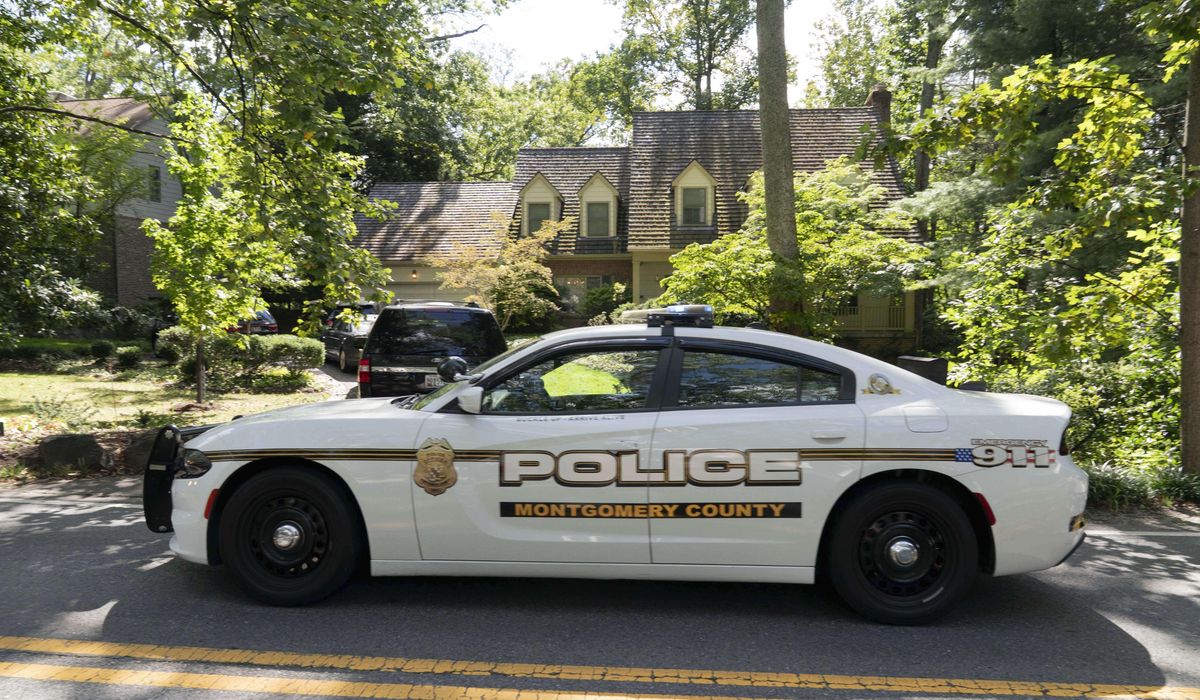
Montgomery County police said Friday that they identified the culprit in a 2025 swatting incident, but cannot charge her since she is too young.
The identified case involves a 2025 swatting event that prompted a large police response and raised alarms about prank calls escalating into dangerous situations. Officials confirmed their investigation located a suspect but noted age-related legal limits prevent filing criminal charges at this time. The statement underlines a tension between technical capability to trace incidents and legal thresholds for prosecution.
Swatting sends emergency resources racing to a scene under false pretenses, often endangering officers and the public. Investigators say digital forensics and phone records were central to tracking the source of the hoax in this instance. Those techniques can take time as detectives verify call origins and rule out spoofing that conceals the caller’s identity.
When a suspect is below the age of criminal responsibility or protected under juvenile confidentiality rules, prosecutors face limits on pursuing adult-style charges. That legal boundary is what prevented immediate prosecution here despite identification. Law enforcement can still refer matters to juvenile authorities or pursue alternative civil or administrative remedies when criminal charges are unavailable.
Community reaction to such outcomes is often mixed, with frustration at perceived impunity balanced against legal protections for minors. Parents and schools sometimes become involved when a juvenile is implicated, and school discipline or counseling can be part of the response. Police emphasize public safety while juvenile systems emphasize rehabilitation, which creates a different set of possible consequences.
Analysts note that swatting has evolved into a nationwide problem, aided by greater online anonymity and easy access to communication tools. Platforms, service providers, and telecom companies have been pressed to improve authentication and tracing capabilities. Yet technology moves faster than policy, and courts and legislatures are still sorting out how to deter coordinated or repeat offenders who exploit technical loopholes.
Investigations into swatting often require close cooperation between local police, federal agencies, and private companies to assemble a complete picture. That collaboration can yield a precise identification even when calls passed through multiple servers or used caller ID spoofing. Still, identification does not always translate into a prosecutable case, especially where statutes limit action against very young suspects.
Officials also highlight the strain swatting places on emergency services, tying up patrols and diverting attention from genuine emergencies. Training and updated protocols help dispatchers better assess threats, but false reports can still force full responses. Transparency about outcomes and community education about the seriousness of false reports are part of reducing the tactic’s appeal.
Families and local leaders often look for a balanced approach that holds people accountable while recognizing developmental and legal realities for minors. Some jurisdictions have pursued changes to juvenile sentencing rules or expanded civil liability to create stronger deterrents. Others focus on prevention through school programs and partnerships with internet platforms to discourage harmful pranks.
The recent Montgomery County finding underscores both the investigative progress possible in digital cases and the legal limits when a suspect is underage. Law enforcement may continue to document the incident and coordinate with juvenile authorities to pursue appropriate non-criminal responses. The episode adds to wider conversations about how best to deter swatting while respecting existing protections for young people.

