

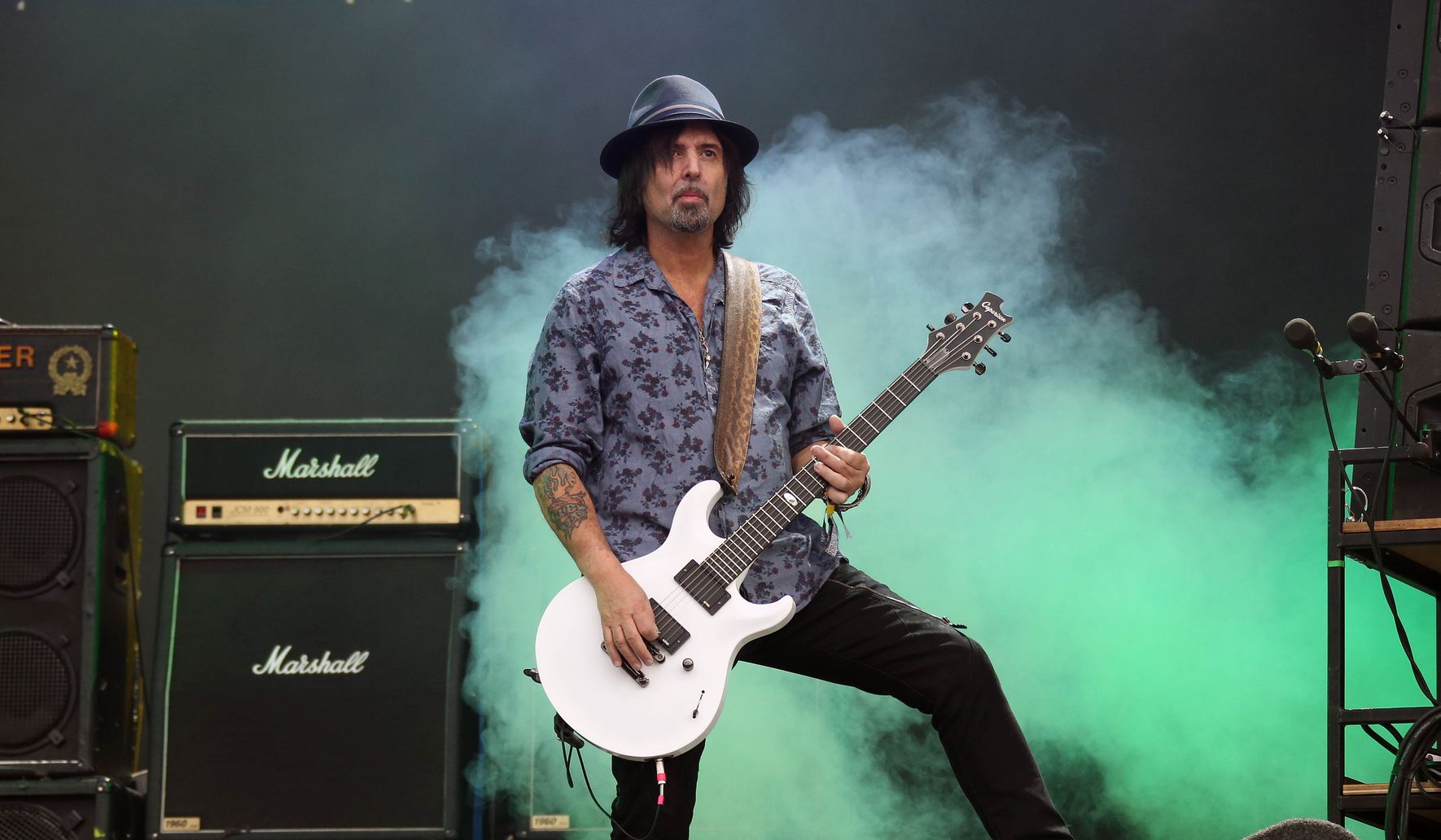
Phil Campbell, the Welsh guitarist who shaped Motorhead’s sound for more than three decades, has died at 64 after complications from surgery.
Phil Campbell was central to Motorhead’s relentless, in-your-face guitar attack for over thirty years, and his passing leaves a big hole in rock music. He helped keep one of the loudest bands on the planet moving forward, playing with a punchy, no-nonsense style that matched the group’s pace and attitude. That steady presence made him a touchstone for fans who relied on his riffs and stage energy.
Campbell’s guitar work was built around raw power and tight timing, favoring clarity over overblown theatrics so the songs hit hard without getting cluttered. He had a knack for cutting through the mix and locking in with the rhythm section, which kept live shows urgent and immediate. That approach kept Motorhead’s sound recognizable across decades and generations of fans.
Onstage he was all business, focused on delivering the kind of performance that made crowds scream along and leave tired but satisfied. Offstage he was known for being approachable and down-to-earth, which only deepened the bond between him and the people who followed the band. Those traits—reliability, craft, and humility—are what many musicians hope to be remembered for.
The news that he died Friday at the age of 64 following complications from surgery landed hard with fans and fellow players who admired his work. Moments like this make it clear how much a dedicated musician becomes part of listeners’ lives, marking time and soundtracks for whole eras. Responses from the community highlighted appreciation for a long career spent serving the songs rather than chasing the spotlight.
Campbell’s role wasn’t about flash solos so much as creating riffs and textures that carried a song. That kind of discipline is rarer than people think in rock, where the loudest player often wins the attention. Instead, he chose craft, making choices that improved every performance and recording he touched.
Across tours and records, he helped keep a band that built its reputation on intensity from losing its edge. That consistency is one reason Motorhead remained influential long after the first wave of their fame. Players in heavier music often point to that combination—forceful tone plus musical discipline—as a model worth copying.
The immediate reaction from fans and peers reflects how widely his contributions were felt; tributes have focused on the warmth of his musicianship and the solidity he brought to a famously uncompromising band. People remember individual licks and shows, but also the way his presence kept the band sounding like itself through good years and bad. When an artist like that goes, it’s the steady heartbeat of the music that you feel is missing.
For listeners who cut their teeth on Motorhead’s albums and concerts, Campbell’s playing will continue to turn up in playlists and memories. His work was practical, effective, and memorable without ever being self-serving. That combination helps explain why his influence will stick around even as new voices rise up in rock and metal.

