

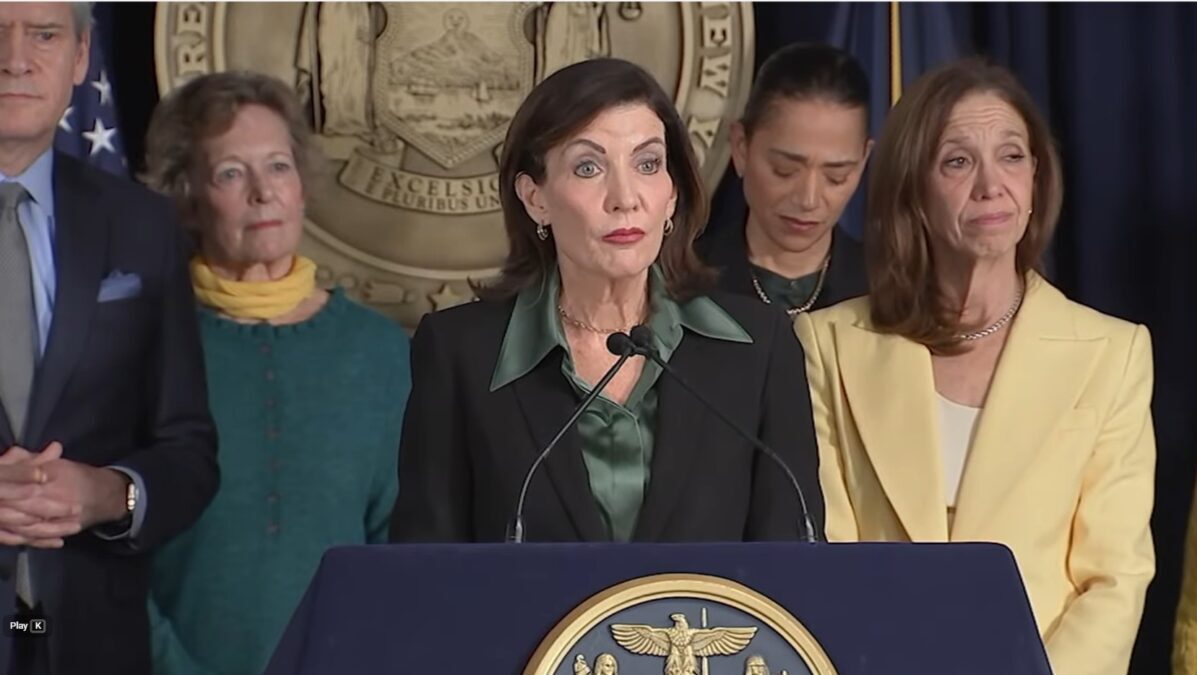
New York’s governor announced last week that she will sign a bill legalizing medically assisted suicide for adults with a terminal illness; this move raises immediate questions about safeguards, medical roles, and the protection of vulnerable people.
New York Gov. Hochul announced last week that she will sign a bill legalizing medically assisted suicide for adults with a terminal illness. That single line changes the legal landscape and forces a political and moral debate on how society treats the dying. As Republicans, we worry about how the law will be applied, who will be pressured, and what message it sends about the value of life.
The bill permits doctors to prescribe lethal drugs to patients who are judged to have a terminal illness and meet eligibility criteria. Supporters frame this as compassion and autonomy for patients who choose to end their suffering. But critics point out that legal permission does not erase financial, social, and medical pressures that can make a choice feel less than fully free.
Medical ethics have long rested on the principle of doing no harm, and shifting physicians from healers to facilitators of death creates a stark role change. Some doctors may object on conscience grounds, but others will be caught between patient requests and institutional incentives. When governments write rules about life-ending prescriptions, it invites bureaucratic checks that could intrude on private medical decisions.
Safeguards in the bill will be sold as protections, but paperwork and witness requirements cannot eliminate coercion or misdiagnosis. Terminal prognoses are probabilistic, not absolute, and mistakes happen even in skilled hands. Families under strain, especially those facing high medical bills or scarce caregiving resources, could see assisted death as the pragmatic option rather than true consent.
There is also a slippery slope risk that cannot be ignored; what starts as a tightly defined right for terminal adults may expand over time. Jurisdictions that have embraced assisted suicide show pressure to widen criteria to include mental illness or nonterminal conditions. Once state policy treats death as a medical option, it becomes easier to normalize widening that option.
Palliative care alternatives deserve more attention than they typically receive in these debates, and they should be the policy priority. High-quality hospice and pain management can relieve suffering without ending life. Republicans favor strengthening those services, investing in family caregivers, and reducing the financial stress that can push choices toward ending life prematurely.
Politics matters here too, and voters will remember who supported broadening legal permission to die. Many citizens want compassion without surrendering safeguards or creating incentives for institutional cost-cutting. Lawmakers should answer tough questions about oversight, reporting, and enforcement before signing a measure that changes the rules at the deepest level.
Legalizing medically assisted suicide raises deep constitutional and moral issues that cut across parties and beliefs, and it requires sober legislative work rather than headline-driven votes. We must insist on clarity about consent, rigorous review of prognoses, and real support for alternatives that preserve life. The stakes are high for patients, families, and the integrity of medicine itself.

