

A new opinion essay argues that the fantasy genre, now a multibillion-dollar industry spanning books, film, comics and video games, has drifted away from the moral seriousness that made classic works by J.R.R. Tolkien and C.S. Lewis endure for generations.
The piece contends that Tolkien’s Middle-earth and Lewis’s Narnia succeeded because they never blurred the line between darkness and goodness, even while depicting war, corruption, sacrifice and death. The essay argues that today’s bestselling fantasy titles increasingly abandon that clarity in favor of graphic content marketed toward young readers.
Among the examples cited are “A Court of Thorns and Roses” and “Fourth Wing,” both shelved as young adult fiction in bookstores and school libraries despite what the essay describes as graphic sexual content, a pattern it frames as part of a broader shift toward darker, more explicit YA publishing.
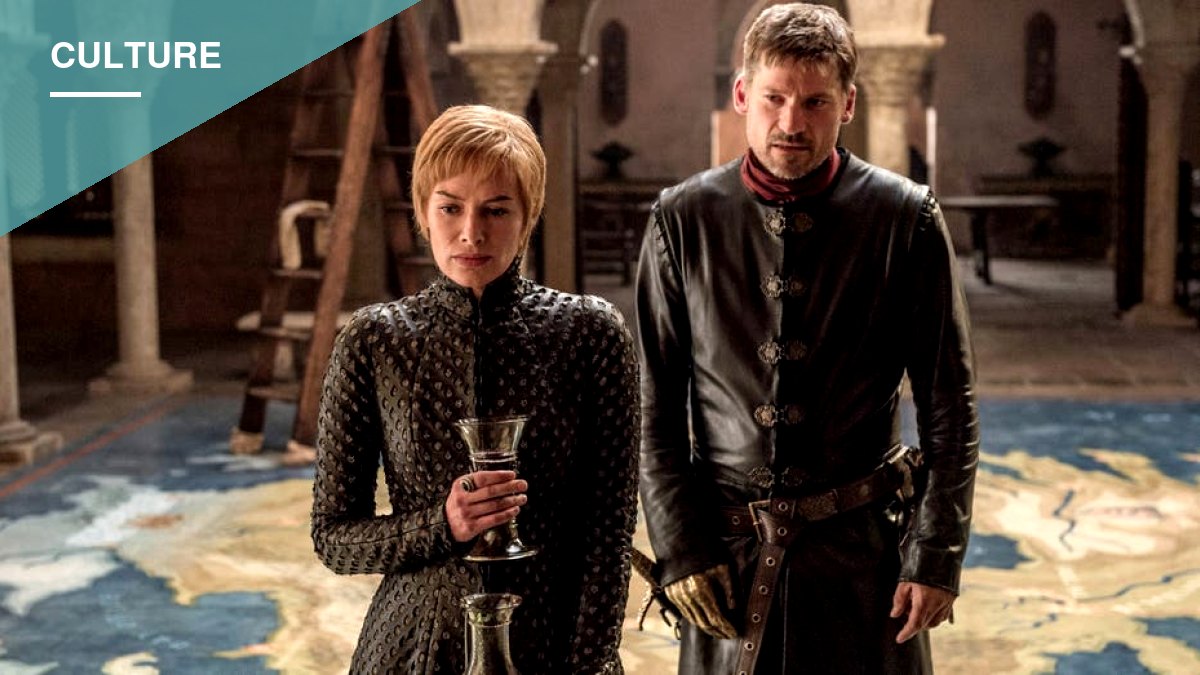
The essay singles out the “Game of Thrones” franchise as an extreme endpoint of that trend, citing a count of 214 separate acts of rape across 117 named victims in the book series, and referencing a viewer survey that concluded the show’s sexual violence added nothing to the story.
The author does not argue that fantasy should avoid depicting evil, violence or the supernatural altogether, pointing out that the Bible itself contains war, betrayal, giants, dragons and sorcery, and that “The Lord of the Rings” includes monsters, magic and the corrupting temptation of power. The distinction drawn is between stories that expose the consequences of darkness and those that appear to train audiences to enjoy it. The essay notes that children reading the “Chronicles of Narnia” confront deception, sacrifice and death, but come away understanding that goodness is worth dying for.
The piece also pushes back against the idea that the fix is simply more faith-based or conservative content, arguing that Christian and conservative creators face the same burden as anyone else to produce excellent writing, acting, visuals and gameplay, since strong values alone cannot rescue a poorly told story.
The essay closes by calling on storytellers, both secular and religious, to pursue a new era of fantasy built on genuine craftsmanship rather than shock value, arguing that audiences still hunger for worlds worth losing themselves in and heroes worth trusting to lead them out of darkness.

