

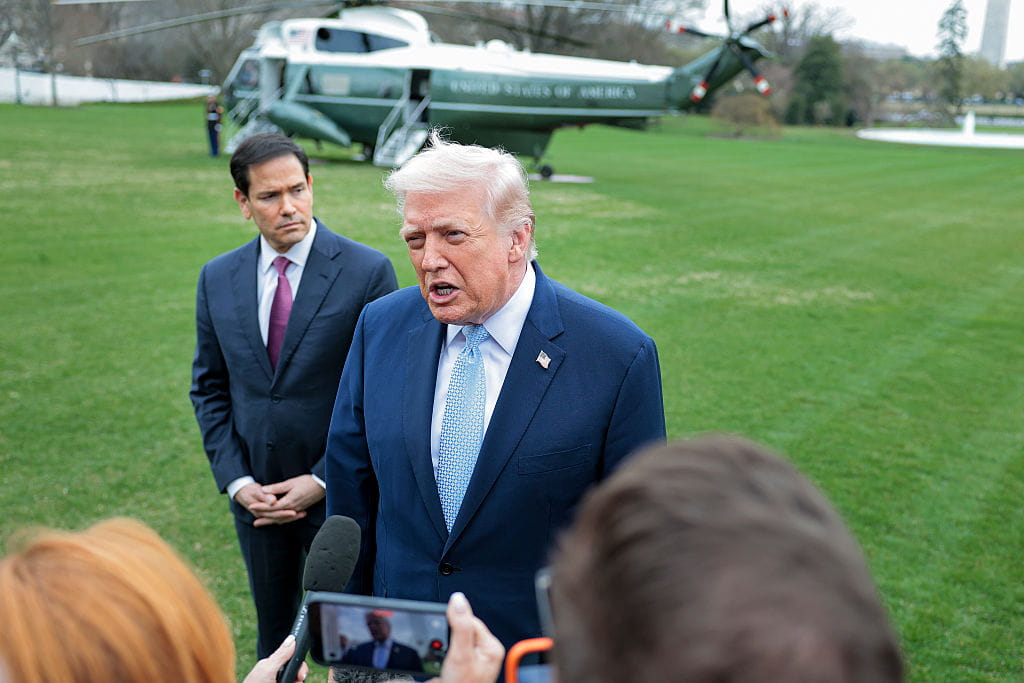
President Trump claims that the Iran war is essentially over, and this piece explains why that statement matters and what it implies for U.S. strategy, deterrence, and regional stability.
President Trump claims that the Iran war is essentially over. That claim lands differently depending on your perspective, but from a Republican viewpoint it reflects a clear policy objective: end large-scale U.S. combat exposure while forcing adversaries to pay costs for aggression. Saying the fight is over is a political move as much as a strategic one, signaling that the administration prefers calibrated pressure and selective force to indefinite ground commitments.
On the ground, the pattern has been one of limited, targeted responses rather than sweeping occupation. That approach aims to avoid mission creep while still holding Iran and its proxies accountable for attacks on American forces and interests. Republicans argue that measured force preserves military readiness and protects lives without inviting open-ended entanglement.
Deterrence is the core argument supporting the claim that the war is essentially over. If Tehran believes it will face consistent, proportional retaliation for aggressive acts, it has less incentive to escalate. In practice, that has meant strikes designed to degrade specific capabilities rather than to overthrow regimes, a method Republican leaders often prefer for its focus and restraint.
Critics say calling the war over risks abandoning allies and underestimating Iran’s long-term ambitions. Republicans counter that ending major hostilities does not mean yielding to Iran; it means shifting to tools like sanctions, diplomatic isolation, and close military cooperation with regional partners. The goal is to combine pressure with the option to strike again if red lines are crossed.
Another dimension is domestic politics. Announcing an end to a conflict is politically potent, especially for voters tired of costly foreign wars. Republicans emphasize accountability, fiscal prudence, and predictable use of force—arguments that resonate with constituencies demanding results without unnecessary entanglement. That political calculus influences the messaging as much as the military reality does.
There are real risks in declaring victory prematurely. A policy of selective strikes depends on accurate intelligence and steady resolve, and any perception of weakness can invite miscalculation. Still, a clear, enforceable posture that combines deterrence with diplomatic levers can reduce the daily chances of escalation compared with an open-ended war footing.
Regional partners matter more in this approach than they did under heavy troop deployments. Strengthening the capabilities of allies, sharing intelligence, and coordinating sanctions create a network of pressure that multiplies American influence without placing large numbers of U.S. troops in harm’s way. For Republicans who prefer burden-sharing and light footprints, that is a welcome shift.
At the same time, the administration must keep communicating realistic objectives. Saying a war is over should not mean ignoring provocations or dismantling contingency plans. Republicans argue that clearly communicated consequences—backed by capability and will—sustain deterrence while protecting American forces and taxpayers.
For voters assessing the claim, the test is practical: are U.S. troops safer, is American influence preserved, and are Iranian aggression and proxy activity reduced or contained? If the answers are yes, then the administration’s message holds weight. If not, the statement risks looking like political theater rather than a reflection of security gains.
Ultimately, the phrase that the Iran war is essentially over is a compact way to describe a policy of limited force, sustained pressure, and strengthened regional ties. Republicans see this as a path that avoids endless occupation while keeping the tools of statecraft and military power ready and credible. The success of that approach will depend on disciplined execution, clear red lines, and the willingness to act when those lines are crossed.

