

The SAVE America Act has become a flashpoint, exposing splits within and beyond Congress as supporters face skeptical polling, a fierce narrative battle, and the need to reconcile popular voter ID support with concerns about national reform.
The debate over the SAVE America Act is not confined to a single chamber or committee; it has spilled into town halls, talk radio, and cable news. What started as an effort to change federal election rules now looks like a broader contest over how Republicans present reform. The division inside the GOP risks turning a widely supported idea into a political liability.
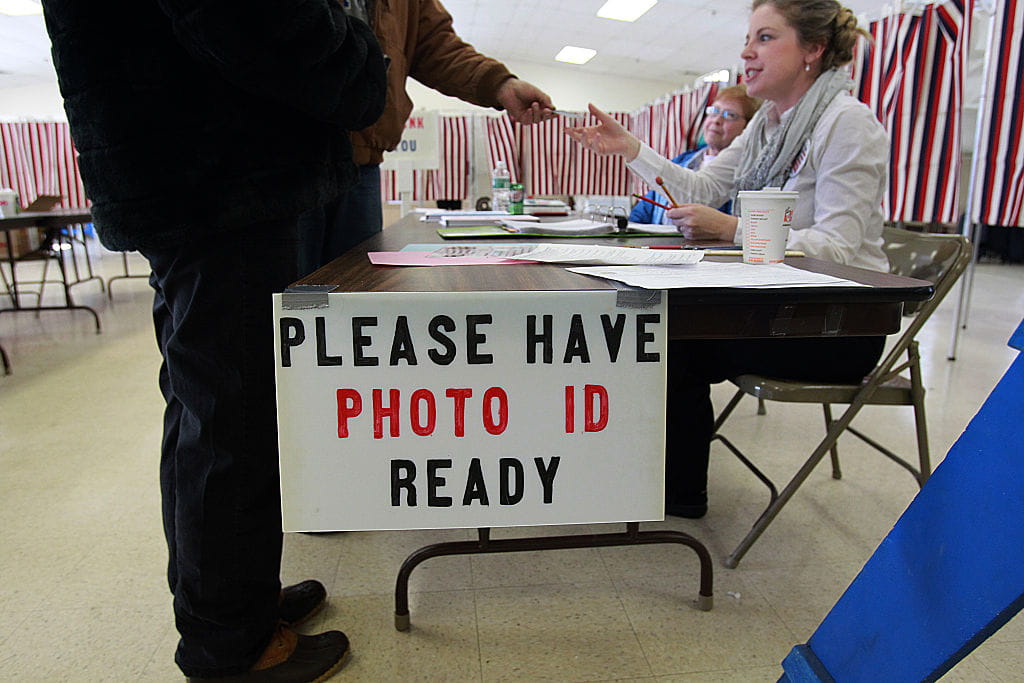
Voter ID remains a strong, cross-cutting issue with roughly 80 percent of Americans in favor and 20 percent opposed, a static cultural fact that helps shape the political landscape. Despite that broad support, the few polls that touch on the SAVE Act show a decidedly negative tilt. That disconnect between a simple idea and the reception of a specific bill is the central headache for conservatives pushing it.
Part of the problem is branding. The name SAVE America Act sounds expansive and activists on the left and hostile outlets have used that to paint it as a power grab. Framing matters; when voters hear “America” wrapped around a contested package of rules, many instinctively worry about overreach. Republicans need to recognize that presentation can sink good policy.
There is also a narrative battle playing out across institutions that shape public opinion. Universities, big tech platforms, and much of the legacy media have already taken positions in the broader fight over elections, and they will not treat the SAVE Act neutrally. That means conservatives must be deliberate about messaging and where they take their case.
Supporters often emphasize preventing fraud and protecting ballot integrity, arguments that play well in simple form. But when opponents point to conflicting provisions and paint federal mandates as an assault on state control, that argument loses traction. The tension between national standards and state authority is a legitimate concern for many voters and an obvious leverage point for critics.
Polling against the bill could reflect a mismatch between voters’ instincts and the bill’s perceived consequences. People like the idea of voter ID but distrust sweeping federal fixes, especially when the debate is framed around winners and losers. Without a clear case that the bill protects both access and integrity, voters will default to caution.
Within the Republican coalition, there are strategic headaches: how to keep the conservative base energized while persuading moderates and independents. Infighting over language and scope creates headlines that drown out the policy itself. That dynamic plays into the hands of opponents who want to make the act synonymous with division.
Messaging should be concise, focused on results, and avoid legalistic jargon. Talk about secure ballots, equal treatment, and trust in outcomes rather than legislative mechanics. When the case is about fairness and confidence in elections, it resonates far more than when it reads like intra-branch power politics.
Another real-world constraint is the mixed record of federal intervention. Voters remember federal programs that promised fixes and instead produced red tape and lawsuits. That skepticism colors how people view any national election overhaul, even if parts of it mirror things they personally support.
For conservatives who back the act, the immediate task is defensive: stop opponents from defining the conversation. That means communicating to ordinary voters in plain language and putting real-world examples at the center. Anecdotes about closed polling places or unsecured ballots often land harder than statistics, so the storytelling matters.
Ultimately, the SAVE America Act debate is more than a Senate fight; it is a test of political discipline and messaging across the entire conservative movement. If Republicans fail to bridge the gap between broad support for measures like voter ID and the specifics of this bill, the reform impulse will be damaged. The coming weeks will show whether the party can unite behind a narrative that protects elections without alienating the very voters it needs to persuade.

