

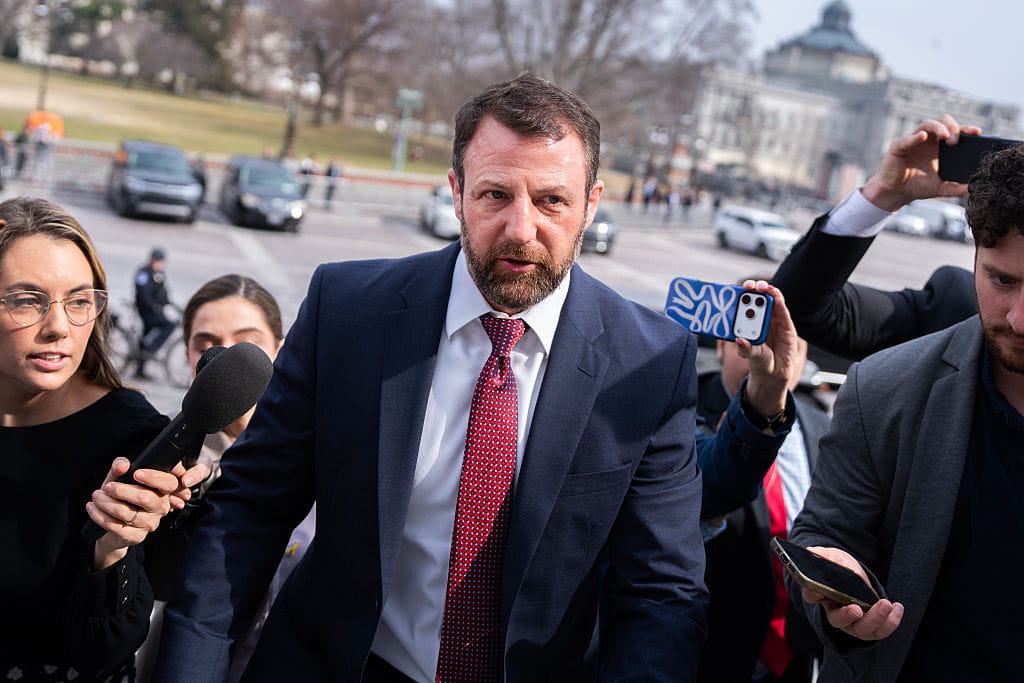
On March 18, Senator Markwayne Mullin faces his confirmation hearing to take the reins of the Department of Homeland Security (DHS), aiming to succeed Kristi Noem and reset the department toward stronger border security and practical, accountable operations.
Senator Markwayne Mullin goes before the Senate on March 18 for a confirmation hearing that will decide whether he moves from the quiet halls of Capitol Hill into the frontlines of national security at DHS. The transition would place him in direct charge of issues that matter to every American, from the border to cyber defenses. For many outside Oklahoma and the Senate, he’s not a household name, but that can change fast.
This is a Republican pick for a Department that has been criticized for mission creep and bureaucratic excess, and conservatives will be watching closely. Mullin’s hearing gives Republicans a chance to argue for a return to clear priorities: secure the border, defend infrastructure, and ensure agencies do not overstep. That promise will be measured against the realities of a sprawling agency with thousands of employees and complex programs.
The most immediate test will be how he frames border security. Republicans across the country want tangible results instead of vague pledges, and Mullin can stake his confirmation on plans that prioritize enforcement and deterrence. If he lays out a crisp agenda and a realistic timeline, he’ll earn buy-in from skeptical senators and voters who have been impatient with the status quo.
Mullin will also need to confront DHS’s sprawling bureaucracy and the question of accountability. Conservatives want leadership that trims red tape, demands measurable outcomes, and holds managers to task when programs fail. A focus on audits, performance metrics, and streamlined operations will be necessary to convince lawmakers that DHS can be effective without growing unchecked.
Cybersecurity and infrastructure protection will be another spotlight. Americans expect DHS to keep critical systems safe from state and nonstate actors, and the threat environment is evolving rapidly. A Republican DHS leader should push for practical defenses, faster information sharing with the private sector, and clear consequences for foreign cyber aggression.
Immigration policy is the political football that will dominate much of the hearing. Republicans want stronger removal and enforcement, smarter asylum processes, and a secure border that deters mass illegal crossings. Mullin can frame these goals as commonsense safety measures that respect law-abiding immigrants while restoring order to a broken system.
Public safety and disaster response remain core DHS missions that affect communities during hurricanes, fires, and targeted attacks. A nominee must show he understands how federal, state, and local responses fit together and how to reduce duplication. Republicans will press for faster, more predictable responses that leave local leaders in charge where appropriate.
Expect questions about civil liberties and the balance between security and freedom. Conservatives want measures that protect Americans without empowering a federal surveillance state or enabling mission creep. Mullin will need to reassure civil libertarians and skeptical senators that he will defend constitutional protections while securing the homeland.
Political dynamics in the Senate will shape the outcome as much as policy specifics. GOP senators will push for a nominee who can convincingly sell reforms to the public, while Democrats will probe vulnerabilities and seek assurances on civil rights and immigrants. Mullin’s performance under questioning will determine whether he can build the bipartisan support often needed for such a consequential post.
If confirmed, his early actions will set the tone: which programs get prioritized, how appointments are handled, and whether the department operates with transparency. Republicans expect a leader who moves quickly to dismantle wasteful initiatives and to double down on security where it matters most. How he staffs the department will signal whether this is a genuine reset or more of the same.
Beyond policy, Mullin’s success will hinge on political instincts and communication skills. The nation needs a DHS that speaks plainly about risks and tradeoffs and that coordinates effectively with governors and mayors. For Republicans, a credible, disciplined leader who can deliver results and explain them to the public is the clearest path to restoring confidence in the department.
The March 18 hearing is a pivotal moment for both Mullin and the GOP’s message on homeland security. It’s a chance to make the case that a focused, accountable DHS is achievable and that political leaders can actually solve hard problems. The country will be watching to see whether this nominee can turn promise into action where it matters most.

