

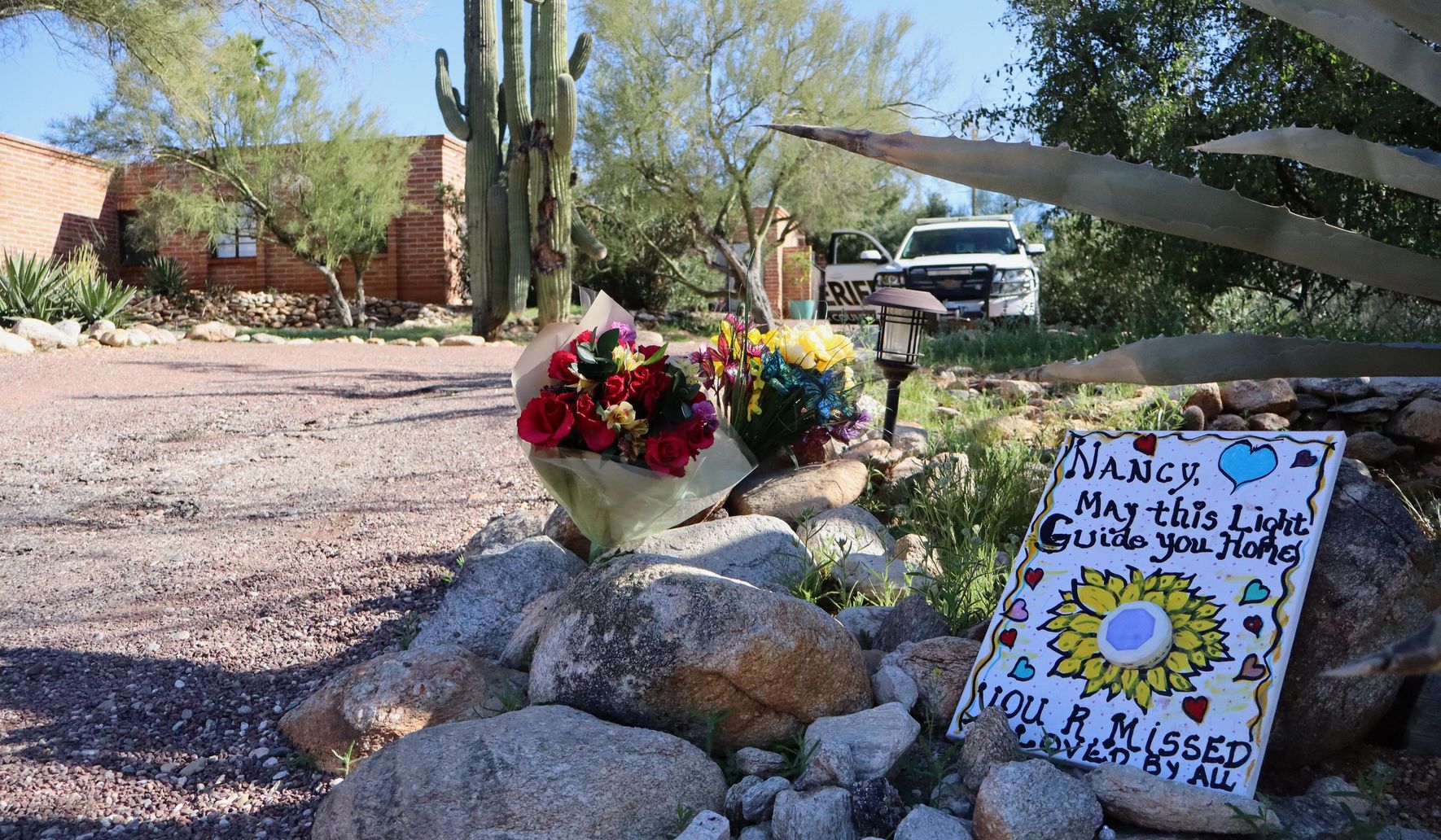
The disappearance of “Today” show host Savannah Guthrie’s mother three weeks ago prompted a handful of volunteers to organize searches in the dense desert surrounding her home.
A small group of neighbors and local residents have taken it upon themselves to look for Savannah Guthrie’s mother in the scrub and sand near where she was last seen. They launched their own searches roughly three weeks after she vanished, focusing on areas that professional teams may not have covered exhaustively. Their efforts echo a community instinct to act when someone familiar goes missing.
Volunteers say the terrain is unforgiving, with thick brush and wide stretches of open desert that hide paths and small features from plain sight. The dense vegetation can conceal footprints and personal items quickly, and shifting sand alters the landscape from day to day. That makes organized, repeated sweeps important even when nothing is found at first glance.
Those who joined the searches include people with local knowledge who know which washes and ridgelines tend to collect debris and which routes hikers sometimes take. They split into small teams to cover different zones and used simple tools like maps, compasses, and careful observation. Their goal has been to supplement official efforts, not to interfere with them.
Organizing volunteers in a rugged area like this presents clear logistical headaches. Teams need water, shade, and safe exit plans, because the desert can be dangerous even on mild days. Coordinators have emphasized safety measures and the importance of staying in contact during sweeps.
Searchers also face the emotional strain of looking for someone close to a public figure, which draws attention and expectations. That attention can bring support and resources, but it also adds pressure on volunteers who are doing the work out of concern rather than training. They move carefully, trying to balance hope with realism.
Many volunteers report steady motivation despite the thin odds of a quick resolution after three weeks. They point to small discoveries in other cases where overlooked evidence turned up after routine passes. Keeping at the effort, they say, increases the chance that something will be noticed that could change the direction of an investigation.
Coordination with official investigators is a critical aspect of volunteer searches, and most groups say they are trying to work alongside law enforcement rather than around it. That coordination helps avoid contamination of potential evidence and ensures volunteers are not jeopardizing any active inquiries. Volunteers have expressed willingness to hand over anything they find to the right authorities.
The public nature of the case means that searches draw occasional media attention, which volunteers have to manage while keeping their focus on the ground. Media presence can be distracting but also useful when it brings awareness and additional people willing to help. Teams often set up simple check-in points to keep operations orderly when the press shows up.
Practical tools have changed how people search the desert, with volunteers sometimes using flashlights for night scans and carefully trained dogs when available. Drones can provide aerial views that reveal trails and vehicle tracks not obvious from the ground. Even so, much of the work still comes down to slow, patient walking and careful listening for anything out of place.
Community support has come in the form of water drops, donated supplies, and offers of transportation to remote trailheads. Those small contributions matter in a setting where the nearest services can be miles away. Volunteers emphasize that sustaining search activity over weeks requires ongoing practical help as much as initial enthusiasm.
Search teams also deal with misinformation and rumor, which tend to spread in high-profile cases and can waste time and resources. Leaders encourage people to report credible tips to authorities rather than circulate unverified claims. A clear channel for information helps focus the effort on leads that might be actionable.
Because the case involves a family with a public profile, volunteers report a mix of curiosity from neighbors and a desire to give privacy where possible. They try to respect the boundaries the family wants while continuing to cover ground that might reveal useful clues. That balance is delicate but important for the dignity of everyone involved.
Over time, search strategies adapt based on what teams learn in the field, and routes are adjusted when natural features show new promise. Volunteers rotate tasks to avoid burnout and to bring fresh eyes to areas already checked. This iterative approach reflects a pragmatic hope that steady, careful work can still make a difference.
Even as the search continues, organizers stress the limits of what volunteer groups can do and the value of professional resources for certain tasks. They speak in practical terms about evidence preservation and the need to leave complex forensics to trained teams. Volunteers remain focused on thorough, safe coverage of accessible terrain while keeping open lines to investigators.
The ongoing volunteer effort shows how communities respond when someone disappears, combining grassroots energy with a desire to help responsibly. Teams keep returning to the desert, checking washes and trails where the landscape hides as much as it reveals. Their persistence underlines a basic truth about searches: steady attention to detail often matters more than speed.

