

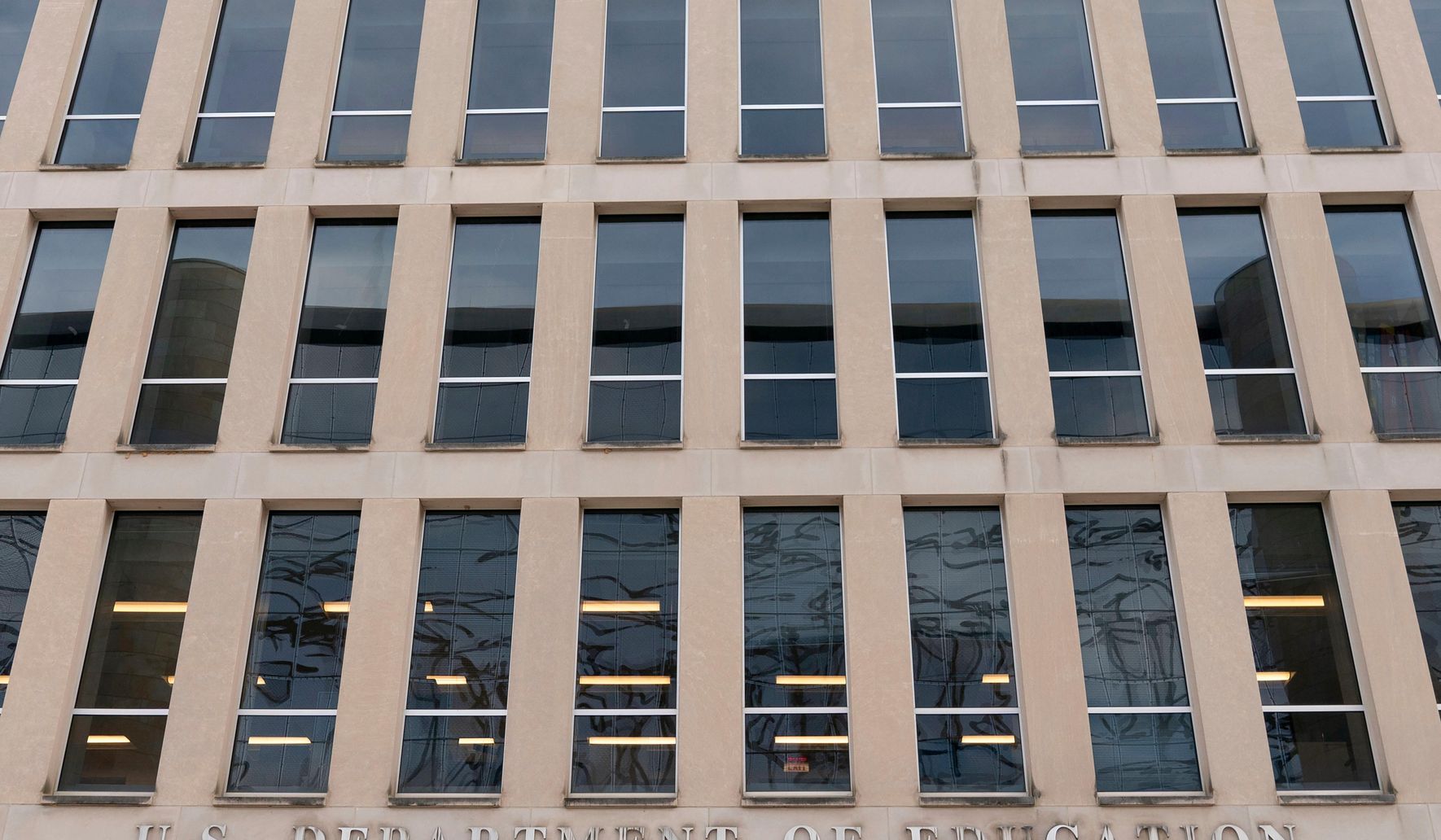
The Trump administration is bringing back dozens of Education Department staffers who were slated to be laid off, saying their help is needed to tackle a mounting backlog of discrimination complaints.
The move to rehire dozens of Education Department staff who were set to be let go is a sharp, practical pivot. Officials say those experienced employees are essential to address a mounting backlog of discrimination complaints clogging the system. For a department charged with enforcing civil rights in schools, timing and expertise matter more than ideological purity.
Republicans favor decisions that restore capability and cut through red tape, and this is exactly that kind of decision. Keeping trained personnel on the job reduces the learning curve and prevents further delays in resolving sensitive cases. That matters to families who want fair, timely outcomes and to schools that need clear, enforceable standards.
There was a plan to pare down staff, but the costs of losing institutional knowledge became obvious fast. Many of the cases now waiting for attention require not just legal know-how but historical familiarity with how prior investigations were handled. Reversing layoffs and retaining seasoned staff short-circuits the churn that often slows enforcement to a standstill.
The Education Department is responsible for enforcing Title IX and other civil rights protections that affect students, teachers, and staff every day. When enforcement grinds slowly, victims wait longer for relief and schools operate with less certainty about what compliance actually looks like. A functioning office for civil rights is supposed to deliver both protection and predictability, and staff experience is central to that mission.
Democrats will predictably paint any restoration of staffing as politically motivated, but practical governance is not politics. Choosing to keep expertise where it’s needed reflects a simple conservative truth: government should work, not merely exist. This is about restoring capacity to deliver results, not about expanding a permanent bureaucracy.
Bringing back staff who were slated to be laid off also reduces the immediate need to hire outside contractors or temporary hires. Contractors can be expensive and take time to onboard, and they rarely carry the institutional memory that career civil servants do. From a budget and effectiveness standpoint, rehiring these workers makes sense for taxpayers and for the department’s mission.
There will be questions about oversight and priorities, and those are valid. Republicans expect transparency on how cases get prioritized and how the department measures progress clearing the backlog. It’s reasonable to demand clear timelines and concrete metrics so this reshuffling doesn’t simply shuffle problems to new folders.
Operationally, returning staff can triage older matters and set up processes to prevent fresh backlogs. That means better intake procedures, clearer timelines for investigations, and improved communication with complainants and institutions. These are the kinds of targeted fixes that a practical administration should pursue when problems pile up.
Schools and families deserve a system that enforces rules consistently and quickly, without sacrificing due process. Restoring personnel achieves both aims more effectively than drastic cuts or headline-driven reorganizations. The focus should be on fair, predictable outcomes delivered on a sensible schedule.
What comes next is implementation: tracking how quickly complaints move through the pipeline, measuring resolution quality, and making adjustments where bottlenecks persist. If the goal is to restore confidence in enforcement, the department will need to show results rather than rely on rhetoric. For now, keeping experienced hands on deck is a straightforward first step toward that end.

