

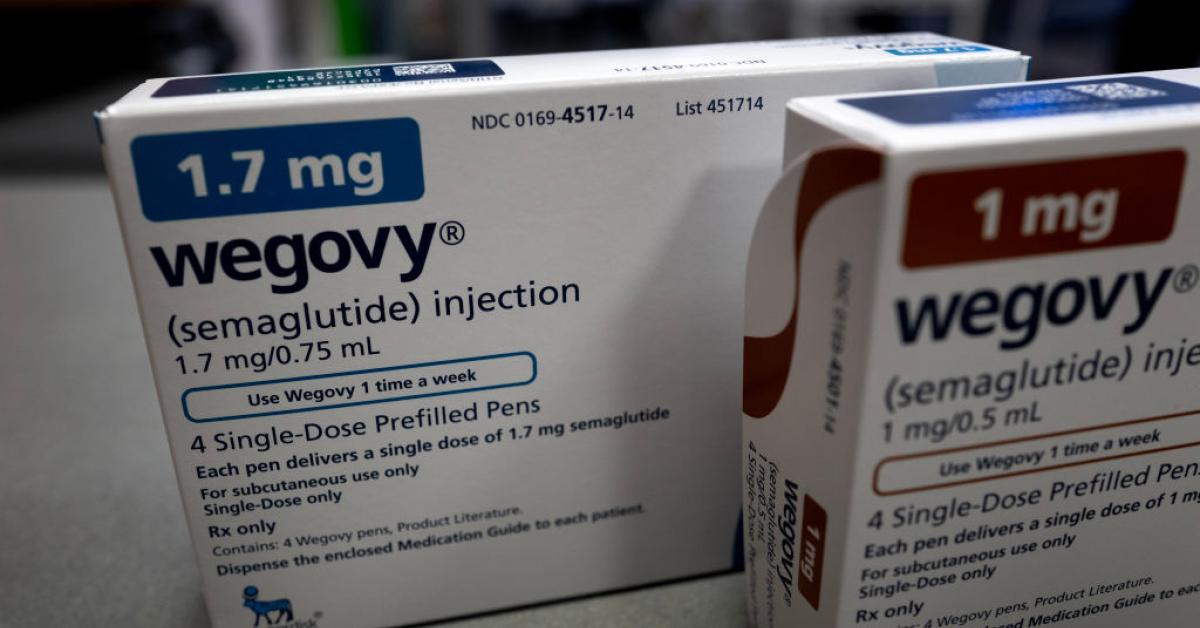
The Trump administration is looking into a potential five-year pilot program to offer weight-loss drug coverage through Medicare and Medicaid. This move, detailed in documents from the Centers for Medicare and Medicaid Services, could lead to coverage for medications like Novo Nordisk’s Wegovy and Ozempic, along with Eli Lilly’s Zepbound and Mounjaro. These drugs are gaining attention for their effectiveness in addressing obesity, a major health issue in America.
The proposal has sparked discussions about the long-term benefits and costs associated with covering weight-loss drugs. Advocates argue that providing access to these medications could significantly reduce obesity-related health problems, which often lead to higher medical costs. Critics, however, are concerned about the financial implications of expanding drug coverage in government-funded programs.
Supporters of the plan emphasize the potential for improved health outcomes and reduced healthcare expenses in the long run. They believe that investing in preventive measures, such as weight-loss drugs, aligns with conservative principles of promoting personal responsibility and reducing government spending. By addressing obesity, a leading cause of chronic diseases, supporters say the program could save money by preventing costly medical treatments down the line.
Conservative news outlets like Fox News have highlighted the significance of this proposal, pointing to the potential for improved quality of life for millions of Americans. Obesity is a widespread issue that impacts not only individual health but also the economy due to lost productivity and increased healthcare costs. The proposed pilot program could be a step towards addressing these challenges, offering a proactive approach rather than reactive healthcare solutions.
Some experts express optimism about the pilot’s potential to provide valuable data on the effectiveness of weight-loss drugs in large populations. This information could guide future healthcare policies and decisions, emphasizing the importance of evidence-based strategies. The program’s findings could influence policy beyond the Trump administration, shaping healthcare strategies for years to come.
The proposed program reflects a shift towards recognizing obesity as a significant public health concern that requires targeted interventions. By considering coverage for weight-loss drugs, the Trump administration acknowledges the need to address this issue comprehensively. This approach aligns with conservative values of efficiency and cost-effectiveness in government services.
Yet, some remain skeptical about the program’s feasibility and effectiveness. Concerns center around the potential for increased government spending and the challenge of ensuring equal access to these medications. As the debate unfolds, the administration will need to balance fiscal responsibility with the potential benefits of reducing obesity rates nationwide.
The pilot program’s focus on weight-loss drugs is part of a broader effort to modernize Medicare and Medicaid services. The administration aims to incorporate innovative treatments and technologies, reflecting a commitment to improving healthcare access and outcomes. This initiative could serve as a model for future reforms, showcasing the potential of integrating new solutions into existing systems.
In the political arena, the proposal has garnered support from those who see it as a pragmatic approach to healthcare reform. By addressing a root cause of many health issues, the program aligns with conservative ideals of preventative care and personal health management. This perspective underscores the belief that empowering individuals to take control of their health can lead to better outcomes and reduced reliance on government assistance.
As the administration reviews this proposal, it will consider input from various stakeholders, including healthcare providers, insurers, and patients. Their insights will be crucial in shaping a program that effectively addresses the needs of those it aims to serve. The administration’s commitment to engaging with these groups reflects a desire to create policies that are both practical and impactful.
The potential inclusion of weight-loss drugs in Medicare and Medicaid could also influence the pharmaceutical industry. Companies like Novo Nordisk and Eli Lilly stand to gain from increased demand for their products, potentially driving further innovation in the field. This development could lead to more advanced treatments and a broader range of options for patients struggling with obesity.
While the proposal is still in its early stages, it has already sparked a conversation about the role of government in healthcare. By considering coverage for weight-loss drugs, the administration is taking a bold step towards addressing a complex issue. This initiative highlights the importance of exploring new solutions to improve public health and reduce the economic burden of obesity.
As discussions continue, it will be important for policymakers to consider the long-term impacts of expanding drug coverage under Medicare and Medicaid. The potential benefits, including reduced healthcare costs and improved health outcomes, must be weighed against the financial challenges of implementing such a program. This careful consideration will be key to developing a sustainable and effective healthcare strategy.
The Trump administration’s proposal is a significant development in the ongoing effort to combat obesity in America. By exploring new avenues for treatment, the administration is demonstrating a commitment to improving the health of its citizens. This initiative represents a forward-thinking approach to healthcare, emphasizing the value of prevention and innovation in addressing public health challenges.

