

The U.S. Department of Homeland Security recently released a list highlighting “sanctuary jurisdictions” across the country. These jurisdictions, found in 35 states and the District of Columbia, are known for their non-cooperation with federal immigration enforcement. Illinois tops the list with 96 out of its 102 counties identified as sanctuary areas, a significant portion of the state.
Massachusetts also stands out, with 13 of its 14 counties making the list. Washington follows closely behind with 36 out of 39 counties designated as sanctuary jurisdictions. Interestingly, 15 states have managed to steer clear of this list, with most being Republican-led states like Texas, Florida, and Arizona.
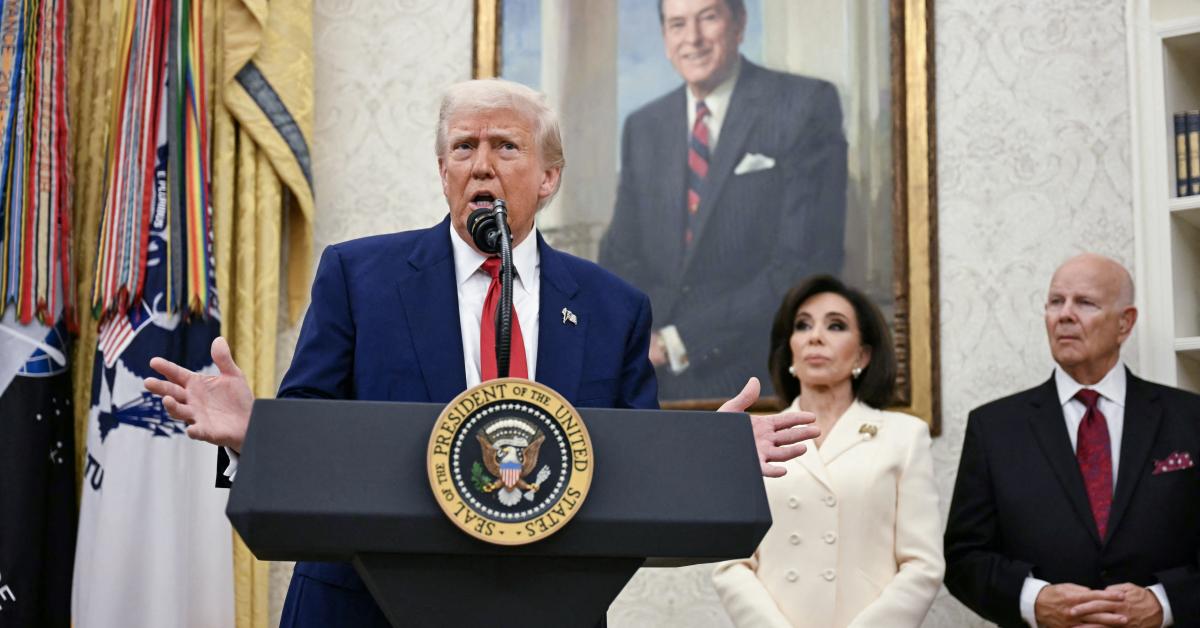
This initiative marks the first time the DHS has published such a list, following an executive order from President Donald Trump. The order, titled “Protecting American Communities from Criminal Aliens,” aims to pinpoint areas that resist federal immigration policies. Trump’s directive underscores a commitment to uphold federal law and protect territorial sovereignty.
The Trump administration argues that previous policies allowed unchecked immigration, posing risks to public safety and national security. The order points to threats from cartels and foreign terrorist organizations that could exploit these sanctuary jurisdictions. Trump emphasizes the federal government’s role in protecting states from what he describes as an invasion.
In a bold move, Texas counties declared an invasion during the Biden Administration, citing the “Guarantee Clause” of the Constitution. This clause mandates the federal government to protect states against invasion, reinforcing Trump’s stance. The Center Square highlighted this significant action by Texas counties, showcasing their resolve.
Trump’s executive order contends that sanctuary jurisdictions are flouting federal law, creating national security concerns. These areas are accused of engaging in activities like obstructing justice and unlawfully harboring illegal aliens. DHS warns these jurisdictions of potential legal action and funding cuts if they don’t comply.
The released list identifies numerous states with self-declared sanctuary status, including California, Colorado, and Vermont. California, for instance, has 48 out of 58 counties and 63 cities on the list. Similarly, Colorado features 41 counties and 14 cities marked as sanctuary areas.
In Maryland, notable cities like Annapolis, home to the U.S. Naval Academy, are designated as sanctuary jurisdictions. Massachusetts, despite its comprehensive listing, had a recent addition. Natick officials voted for sanctuary status following the arrest of an Iranian national linked to a terrorist attack.
While Texas isn’t on the list, some local officials in areas like Houston have shown reluctance to cooperate with federal immigration authorities. The Texas Attorney General’s Office supports nonprofits aiding illegal immigrants legally, allocating funds for their defense. This assistance is part of the office’s budget, approved by the Texas legislature.
Trump’s administration holds firm that sanctuary cities endanger law enforcement and protect criminal aliens from facing justice. DHS stresses the importance of compliance, with federal funding on the line for those who resist. It’s a clear message: uphold federal law or face the consequences.
In states like New York and New Jersey, a multitude of cities and counties have embraced sanctuary policies. In New York, 15 counties and 12 cities are on the list. New Jersey also has three counties and 18 cities identified as sanctuary jurisdictions.
Oregon, a self-identified sanctuary state, features 15 counties and four cities on the list. Similarly, Rhode Island’s Central Falls and Providence hold sanctuary status. In Tennessee, Nashville’s mayor is under congressional investigation, yet the city remains a sanctuary jurisdiction.
The debate over sanctuary jurisdictions remains a heated topic, with Trump’s administration taking a clear stance. These areas, according to DHS, hinder federal efforts to maintain law and order. The future of these jurisdictions remains uncertain, but the message from the federal government is unmistakable.

