

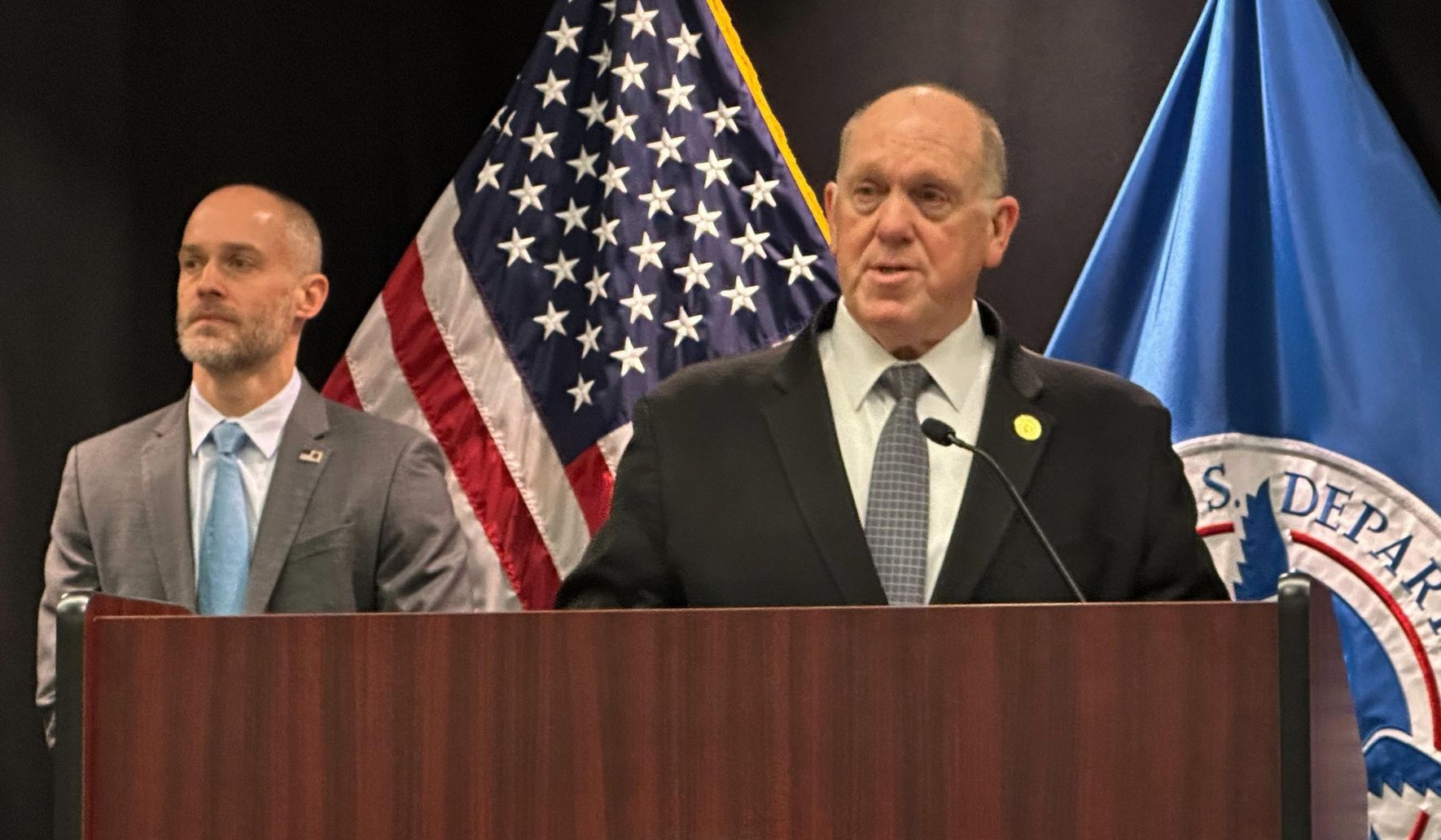
The Trump administration will withdraw the remaining ICE and Border Patrol forces in Minnesota, White House border czar Tom Homan said Thursday, saying “they’ve done what they came to do.”
The decision to pull the remaining immigration enforcement personnel out of Minnesota reflects an assessment that the deployment met its immediate goals, according to White House border czar Tom Homan, and the announcement landed with the straightforward tone you’d expect from an administration focused on results rather than symbolism. For supporters, the move signals disciplined use of federal assets: send support when and where it’s needed, then bring those resources home when the work is done. That approach keeps priorities clear and avoids turning temporary assists into permanent occupations.
Federal deployments like these are by nature mission-driven and time-limited, and Minnesota’s case is no exception, with officials saying the assignment concluded on schedule and without the need for an extended presence. From a Republican perspective, that discipline matters because it respects local control and prevents mission creep, allowing state and local law enforcement to resume lead roles once federal support finishes its specific tasks. The aim is to reinforce law and order where needed while avoiding unnecessary long-term federal footprints in communities.
ICE and Border Patrol agents are trained for specific enforcement duties that can include arrests, detention operations, and support for local investigations, and sending them in for targeted periods is a tool the federal government uses when local resources are overwhelmed or when coordination can break a dangerous cycle. Bringing those agents back emphasizes a focused, accountable use of power, not indefinite intervention, and it preserves federal readiness for future hotspots elsewhere. Supporters argue this keeps the federal government nimble and prevents overextension of personnel and funds.
Critics on the other side have raised questions about federal involvement in state matters, and those concerns are part of a broader debate about the proper balance between national security and local autonomy, but the administration framed this withdrawal as the natural end of a temporary assignment that achieved its aims. That framing puts the emphasis on measurable outcomes rather than political theater, and it shifts the conversation away from whether troops remained and back to whether they accomplished what they were sent to do. For many conservatives, the result-oriented stance is the right one: don’t stay a day longer than needed.
Practical considerations are also at play: rotating agents back to their home duties reduces strain on personnel and keeps enforcement capabilities distributed across the country, where they may be needed next. A predictable rhythm of deployment and withdrawal helps maintain morale and ensures the federal force remains flexible, able to respond quickly to emerging issues without being tied down by open-ended commitments. In this view the administration’s move is about efficiency and responsibility, not retreat.
Looking ahead, the precedent set by this action will matter because it signals how future requests for federal help might be handled: targeted, temporary, and tied to clear objectives that can be evaluated at the end of a mission. That standard holds both the federal government and local partners to account, and it forces a sober assessment of whether federal resources are the best option or whether bolstering local capacity would be a smarter long-term investment. For supporters of strong borders and effective law enforcement, this outcome underlines a commonsense strategy—use force when necessary, measure the results, and withdraw when the job is complete.

