

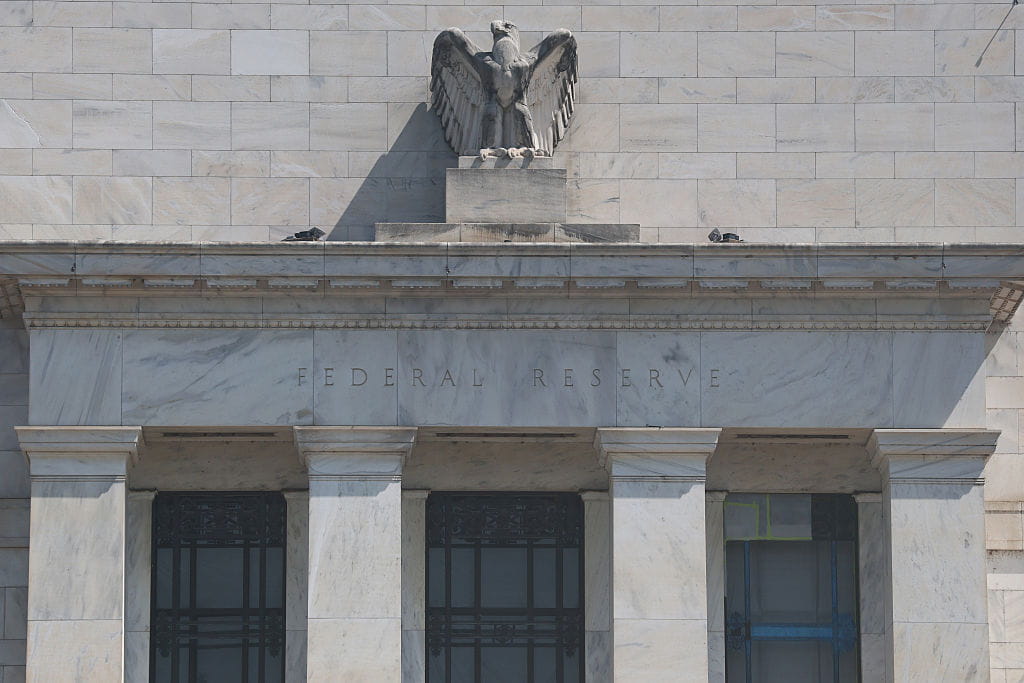
President Donald Trump has nominated Kevin Warsh to replace Jerome Powell as Federal Reserve chair, a move that could reshape central bank priorities if Congress confirms him.
Regime change at the Federal Reserve is on the table and the nominee is a familiar face from past policy debates. Kevin Warsh, long considered a heavyweight contender to lead the central bank, brings experience from inside the Fed and the broader financial world. His confirmation would mark a clear turn away from the recent stewardship under Jerome Powell.
Republicans have argued for a Fed that prioritizes price stability, predictable policy, and respect for market signals, and Warsh fits that mold. He has previously served at the central bank, giving him institutional knowledge that many see as an asset. Supporters say he could restore credibility with investors and businesses that crave steadiness and clear rules.
Critics will point to the risks of any leadership change, including political intervention and market uncertainty during a transition. Those concerns are real, but the argument from the right is straightforward: a central bank that leans toward discipline and growth-friendly policy is better for ordinary Americans. Warsh’s track record suggests he would emphasize monetary restraint when inflation threatens purchasing power.
Expect a confirmation fight that highlights differing views about the Fed’s role since the financial crisis. Lawmakers will weigh his past decisions and public comments against the performance of the current regime. For Republicans, the contest is about accountability and returning the Fed to a more transparent, rule-based approach.
On the practical side, a new chair could shift the tone on interest rates, balance sheet policy, and oversight of financial stability. Markets will watch guidance closely, and businesses will reassess plans depending on signals from the Fed’s top leadership. Even the promise of different stewardship can influence investment and hiring decisions before any policy moves occur.
There are political implications too, because the nomination comes from an administration that has repeatedly criticized loose monetary policy and regulatory overreach. That political context matters because Fed independence depends on public confidence, not on partisan alignment. A chair who can navigate politics while keeping a steady hand on policy would be a win for those who want less volatility and clearer expectations.
Ultimately, the debate will center on outcomes more than personalities: who can keep inflation contained, preserve credit availability, and support long-term growth. Kevin Warsh’s supporters argue he can deliver on those fronts by combining institutional experience with a commitment to conservative economic principles. If confirmed, his leadership would signal a new chapter at the Fed, one shaped by demands for fiscal responsibility and market-friendly stewardship.

