

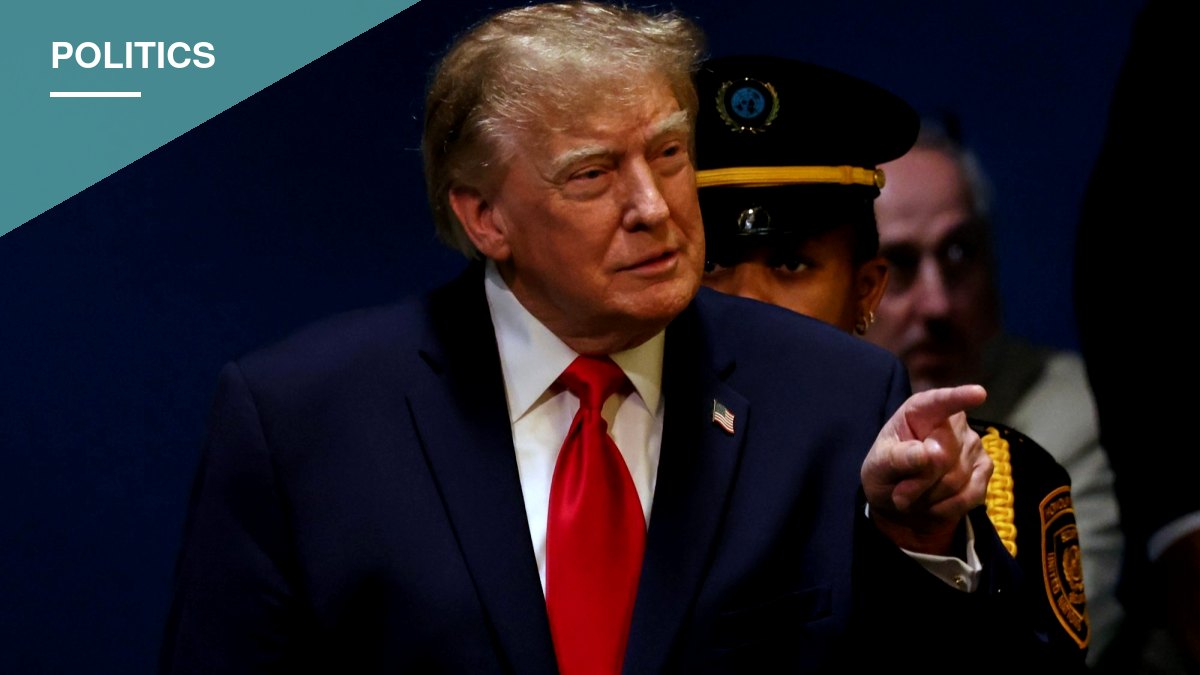
President Donald Trump used his address to the United Nations General Assembly this week to claim credit for a string of foreign policy moves while delivering a sharp rebuke of the institution’s effectiveness, warning that the organization risks irrelevance if it does not change course.
Trump pointed to what he described as a broader turnaround in America’s standing abroad, citing peace deals, a move on Venezuela, an agreement with Greenland, and what he called the defanging of Iran’s nuclear ambitions. He said he would “annihilate” the Islamic Republic if it refuses to reach an acceptable deal on its nuclear program.
“I have no interest in leaving dangers to grow for another day,” Trump told the assembly. “So, while others have talked, I have acted.”
The president was direct in criticizing what he characterized as a “far-left agenda” pushed by parts of the UN system, naming the International Criminal Court, the Human Rights Council and UNESCO as examples of what he called “rogue” or “globalist” bodies operating outside their intended mandates.
Even so, Trump said the United Nations retains “great, great potential,” framing his criticism as an attempt to push the organization toward reform rather than abandon it altogether.
A Decade Under Scrutiny
The address arrives as UN Secretary-General António Guterres nears the end of his tenure, which critics have long faulted for allowing the organization’s bureaucracy to expand while, in their view, disproportionately focusing scrutiny on Israel. Trump noted the body has had little to say about the persecution of Christians around the world and failed to confront threats such as Iran directly.
Separately, Israel has identified nearly 1,500 UN employees it says are members of Hamas or allied terror groups, some of whom it alleges took part in the October 7 attacks.
Guterres is set to step down in December. Costa Rica’s Rebecca Grynspan has emerged as a leading candidate to succeed him, though she is seen by some as carrying progressive leanings similar to her predecessor’s.
Trump’s speech continues a pattern from his previous UN appearances, including a 2018 address in which he warned Germany against depending on Russian energy, a warning that drew skepticism at the time but preceded Russia’s 2022 invasion of Ukraine.

