

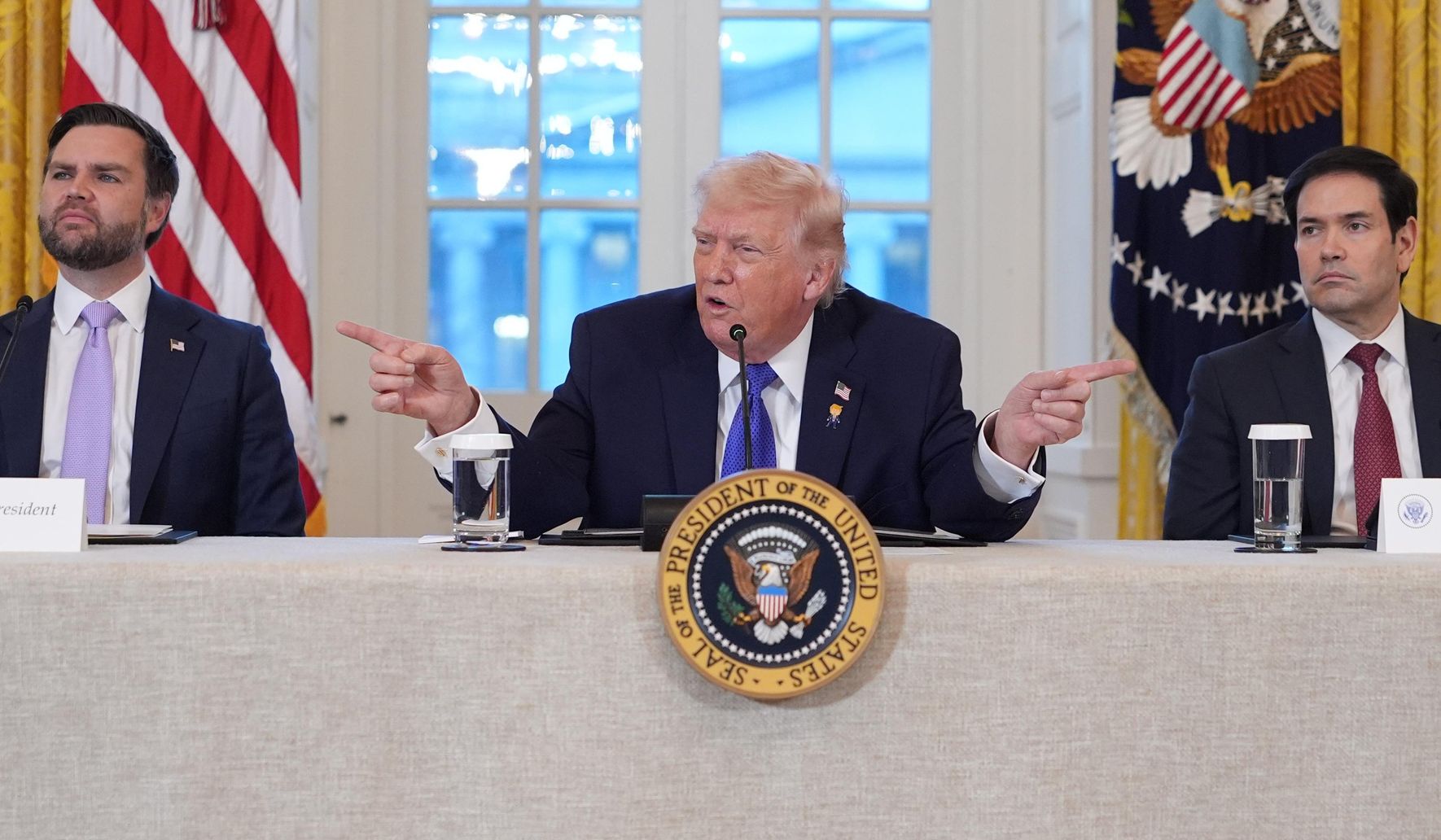
The U.S. strike on Iran upended assumptions about the 2028 Republican race and injected fresh uncertainty into a field that many believed was settling around Vice President J.D.
The U.S. military action against Iran has scrambled the political map for Republicans aiming at 2028, and it did so fast. What looked like a clear path for certain candidates now requires new positioning on national security, foreign policy, and electoral messaging. Voters and donors are watching how Republican leaders respond, and that reaction will shape who looks presidential and who looks out of step.
For Vice President J.D., the attack removed a layer of predictability that had favored his trajectory. Supporters who counted on a steady lead must now see him navigate a volatile national mood. He faces a test on whether he can translate an executive branch security posture into credible campaign language that satisfies conservative voters who prize strength and clarity.
Republicans broadly welcome decisive action that protects American interests, but the party also wants a clear, principled approach rather than ad hoc responses. That creates a narrow lane: be strong without being reckless, be strategic without being ambiguous. The ground game shifts from domestic policy roadshows to messaging that ties strength abroad to prosperity at home.
Fundraising dynamics respond quickly to perceived competence on security matters, and candidates who articulate a convincing strategy will draw larger checks. Donors who prioritize national defense are signaling they want clarity about military objectives, exit strategies, and congressional oversight. Candidates who dodge those specifics risk losing the financial enthusiasm that underwrites long campaigns.
On the ground, activists and base voters are debating priorities with renewed intensity, and that debate could reorder endorsements and primary coalitions. Some grassroots groups will rally behind aggressive postures, while others demand constitutional checks and clearer congressional role. The intra-party conversation will reveal who can unite conservatives behind a platform that balances strength and restraint.
In Washington, lawmakers are recalibrating their votes and statements to match constituents’ sharper focus on security. Republican members of Congress see an opportunity to contrast strong leadership with what they portray as Democratic weakness or confusion. That contrast can be effective so long as Republicans avoid appearing to exploit a crisis for raw political gain.
Campaign operatives are already rewriting playbooks to accommodate foreign policy as a campaign issue, not a sidebar. Ads, town halls, and debates will push candidates to explain how their decisions would prevent future conflicts and protect American lives and jobs. The ability to speak plainly, connect policy to everyday concerns, and offer realistic solutions will differentiate winners from also-rans.
Polling in the aftermath of the strike will be noisy and prone to short-term swings, but it will also reveal durable preferences about leadership style and risk tolerance. Republicans who present a coherent vision that ties military strength to confident diplomacy will gain traction. Those who confuse voters with mixed signals will find their coalitions erode quickly under pressure.
Media narratives and elite commentary will try to frame who gained or lost political standing, but grassroots judgment matters most in the long run. Conservatives respect leaders who show competence and restraint, not ones who simply score partisan points. The path forward requires steady frames that highlight national interest, constitutional responsibility, and the resolve to protect American citizens.
As the campaign calendar unfolds, the attack will remain a reference point for debates about leadership, priorities, and readiness. Candidates who can convert security credibility into broader governing themes—economy, borders, and law and order—will have an edge. For Vice President J.D. and others, the immediate work is to articulate how their approach makes America safer and stronger while offering voters a clear, practical agenda for the future.

