

The following piece examines the known facts and wider implications of a December 2024 naval friendly-fire incident, laying out how the misidentification occurred, the systems and procedures involved, and the questions the Navy must answer going forward.
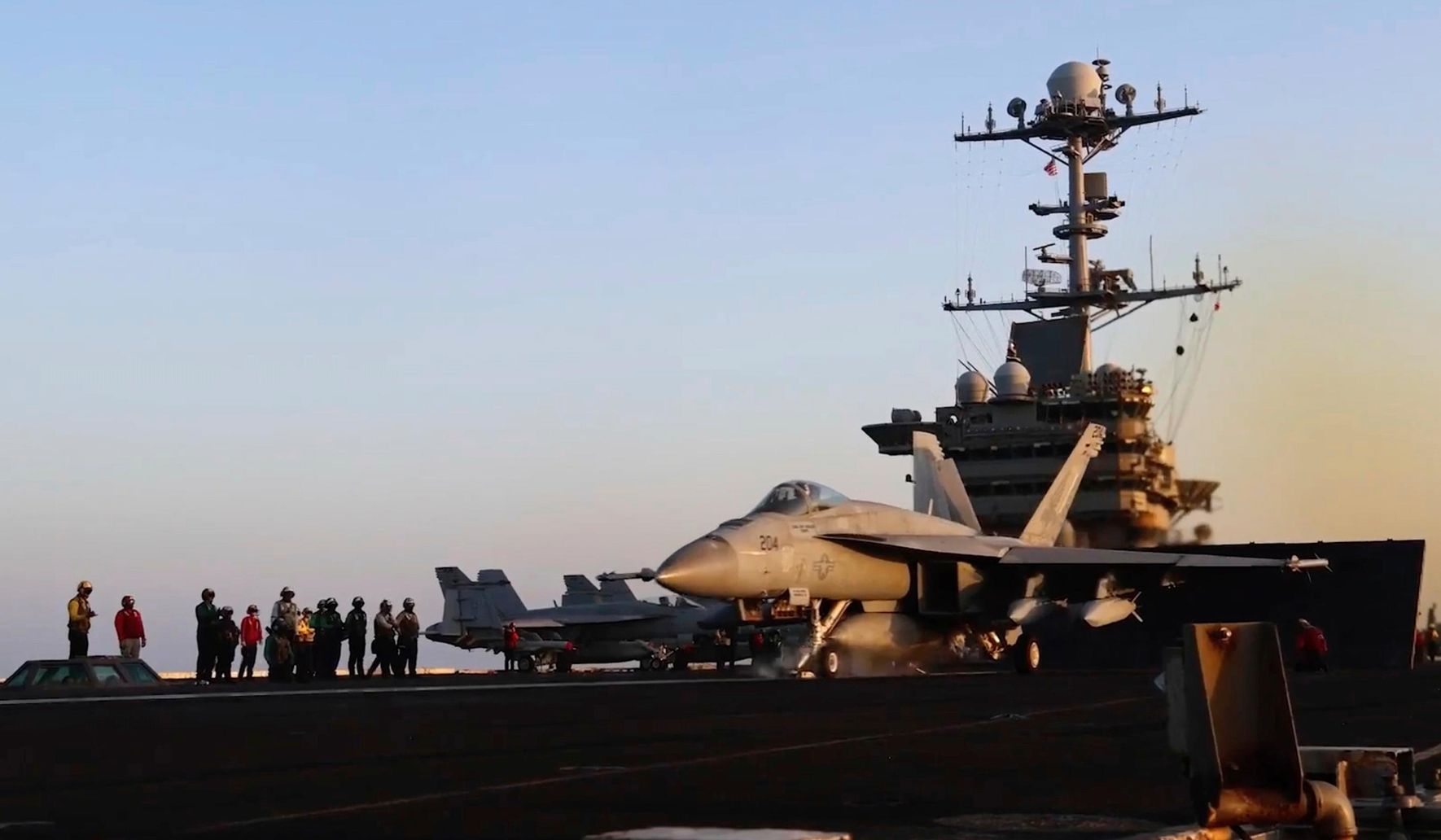
The USS Gettysburg shot down an F-18 Super Hornet fighter in December 2024 after mistaking it for an incoming missile. That single sentence frames a lot of uncomfortable questions about how a modern surface warship can conclude that a manned fighter jet is instead a hostile missile. The event happened fast, but its consequences will ripple through training, tactics, and technology discussions for months. Officials have confirmed the basic timeline but many specifics remain under review.
Surface ships rely on layered sensors and identification systems to sort threats from friends, and when those layers fail the margin for error narrows dramatically. Radar returns, electronic identification, human judgment, and automated engagement decisions all play roles in how a contact is classified. Any one component slipping can cascade into a misclassification that leads to an engagement decision being made. The Gettysburg incident shows how dependent modern fleets are on both software and human operators to interpret complex data.
There are obvious technical questions about system performance that the Navy must answer, including whether radar tracks were consistent with a jet or a missile and whether IFF transponders were detected and correctly processed. Equally important are human factors: were watchstanders overloaded, were procedures clear, and did decision-makers have accurate timelines and situational awareness? Investigations typically look at logs, recordings, and sensor feeds to reconstruct how the crew reached the lethal judgment. Until those records are publicly reviewed, much of the debate will be speculative.
Training and doctrine also come into focus after a friendly-fire episode, because doctrine governs how much time and what checks are required before a ship uses lethal force. Rules of engagement exist to prevent exactly this kind of tragedy, but they depend on disciplined adherence under stress. The Navy will want to test whether drills, cross-checks, and conflict de-escalation measures were applied. If gaps are found, they will need fixes that are practical in the chaos of real operations.
On the hardware side, the incident raises questions about sensor fidelity and the algorithms that fuse raw data into a single track picture. Modern combat systems apply filters and filters have thresholds; when thresholds are set too aggressively or too conservatively they can mislabel fast-moving objects. Software updates, improved signal processing, and better human-machine interfaces are all potential mitigations, but each requires time and funding to implement. Any proposed technical changes must be validated in live training to ensure they don’t create new failure modes.
The tactical implications are broader than a single ship or squadron because similar systems are in use across fleets and allied navies, meaning lessons learned in one case can be applicable elsewhere. Commanders will study the Gettysburg event to determine whether changes are needed in formation procedures, approach corridors for friendly air traffic, and joint coordination with carrier and land-based aviation. Communication protocols between ship and aircraft control nodes are especially critical when contacts are closing rapidly and decisions have only seconds to be made.
Accountability and transparency will matter to sailors and to the public, since people want to know whether preventable errors led to loss of life or equipment. Naval investigations typically produce recommendations, which range from additional training to disciplinary steps and hardware fixes. Those recommendations must be credible and prioritized to rebuild confidence among crews who might face similar split-second choices. The process of review is as important as its outcome in restoring trust.
Finally, there are operational lessons that extend to alliance planning and peacetime training cycles, because peacetime incidents often reveal risks that are amplified in wartime. Exercises that simulate degraded identification systems, contested electromagnetic environments, and simultaneous multiple contacts can help crews practice better decision-making. The Gettysburg case will be a case study in how to temper reliance on automation with robust human oversight so that split-second engagements remain calculated and avoidable where possible.

