

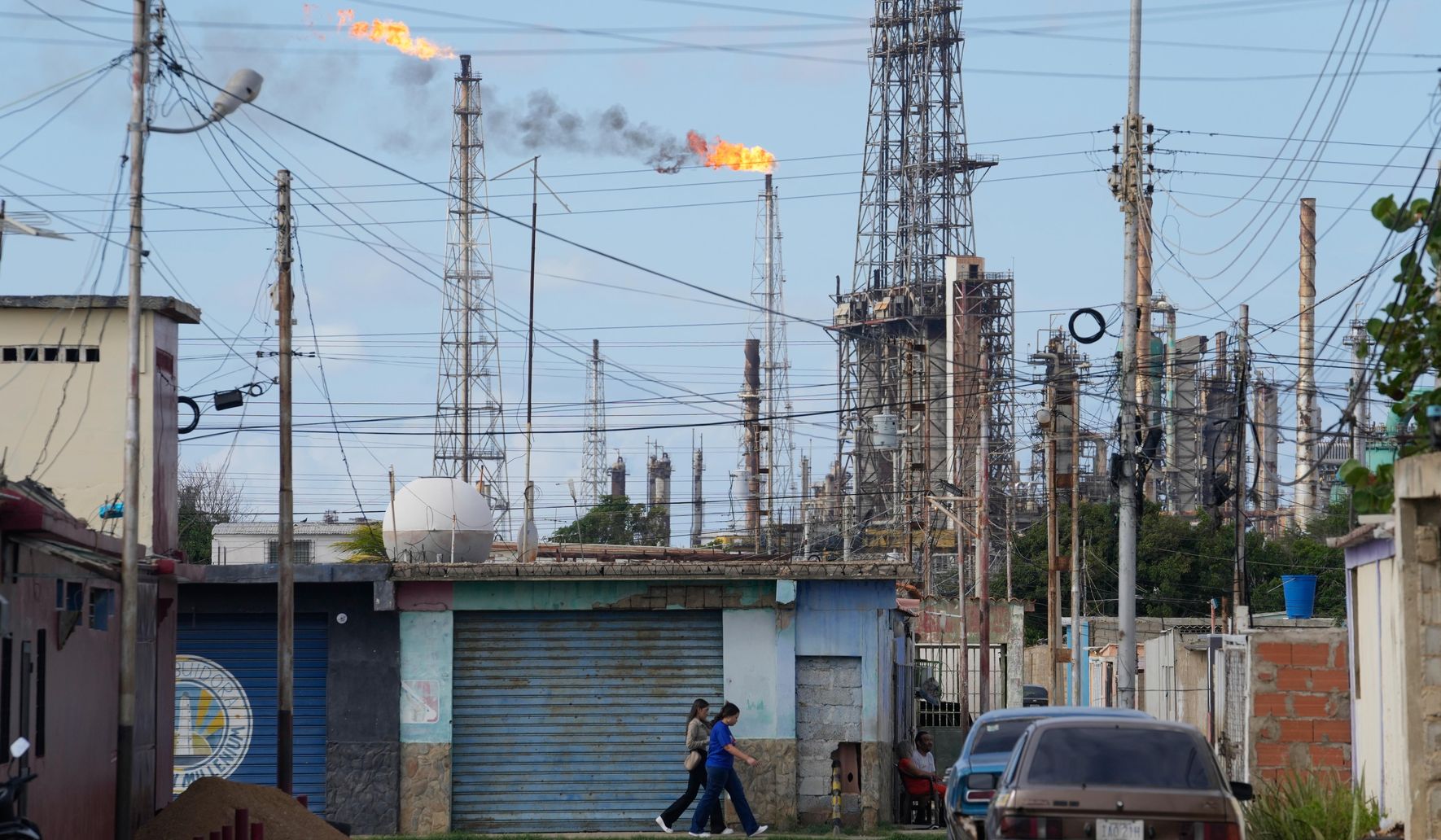
Venezuelan lawmakers have begun debating a bill that would loosen state control over the oil sector, a first major overhaul since Hugo Chavez nationalized large portions of the industry.
Lawmakers in Caracas have opened formal discussion on legislation aimed at reducing direct government control of the oil industry, signaling a possible shift in policy after decades of state dominance. The proposal would change how the sector is managed and who can participate, touching a nerve in a country where oil has long been political power. From a Republican viewpoint, market-driven changes are promising but must come with accountability and rule of law.
The move comes after years of mismanagement that left Venezuela’s oil infrastructure struggling and production well below its potential. Any loosening of state control could attract investment and technical know-how that Caracas sorely needs to rebuild wells and refineries. Republicans will rightly insist that real reform means clear property rights and protections for investors, not just new rules on paper.
Critics inside and outside Venezuela worry the legislation could be cosmetic, allowing the ruling authorities to keep tight reins while pretending to open doors. That skepticism is not unfounded given past patterns of opaque deals and corruption around state oil contracts. A genuine break with that pattern would require transparent bidding, independent oversight, and mechanisms to prevent greed and nepotism from capturing the gains.
If enacted in a meaningful way, the changes could let private and foreign operators play a larger role in development, bringing capital and expertise. For Republicans who favor energy markets, that would be the right direction: unleashing private initiative tends to increase efficiency and output faster than heavy-handed central control. Yet the political reality in Venezuela means that market reforms must be backed by enforceable legal guarantees to have staying power.
The international response will be cautious. Investors remember that policy reversals and expropriations happened under Hugo Chavez, and many will demand hard assurances before committing funds. From Washington’s perspective, supporting reforms that open Venezuela’s energy sector could be a strategic win, but only if reformers can show they will protect investments and respect contracts.
Sanctions and geopolitical concerns complicate the picture. Republican policymakers tend to support measures that pressure regimes that violate human rights or threaten regional stability, while also being open to using economic leverage to encourage market reforms. Any U.S. posture should balance pressure with incentives for verifiable policy shifts that allow free, competitive oil markets to operate.
On the ground, Venezuelans want reliable services and jobs more than abstract policy debates. Oil revenues have been a lifeline for public programs in the past, and responsible reform could restore some fiscal breathing room if proceeds are managed responsibly. Republicans will emphasize that fiscal discipline, transparency, and anti-corruption steps are essential if oil profits are to benefit ordinary citizens rather than a political elite.
One clear risk is that a half-measure could entrench the status quo: open a few corridors for private firms while leaving the central apparatus intact. That outcome would disappoint those hoping for real change and could deter serious investors. A Republican take would be blunt: don’t hand out favors; change the rules so markets work and accountability follows.
For now the debate is just starting, and the details will determine whether this is a genuine pivot or window dressing. Lawmakers will have to decide how much control the state keeps, what rights private actors receive, and how to verify compliance with new rules. If the goal is to rebuild Venezuela’s oil capacity and lift living standards, the legislation must protect investors, fight corruption, and ensure revenues are used transparently.

