

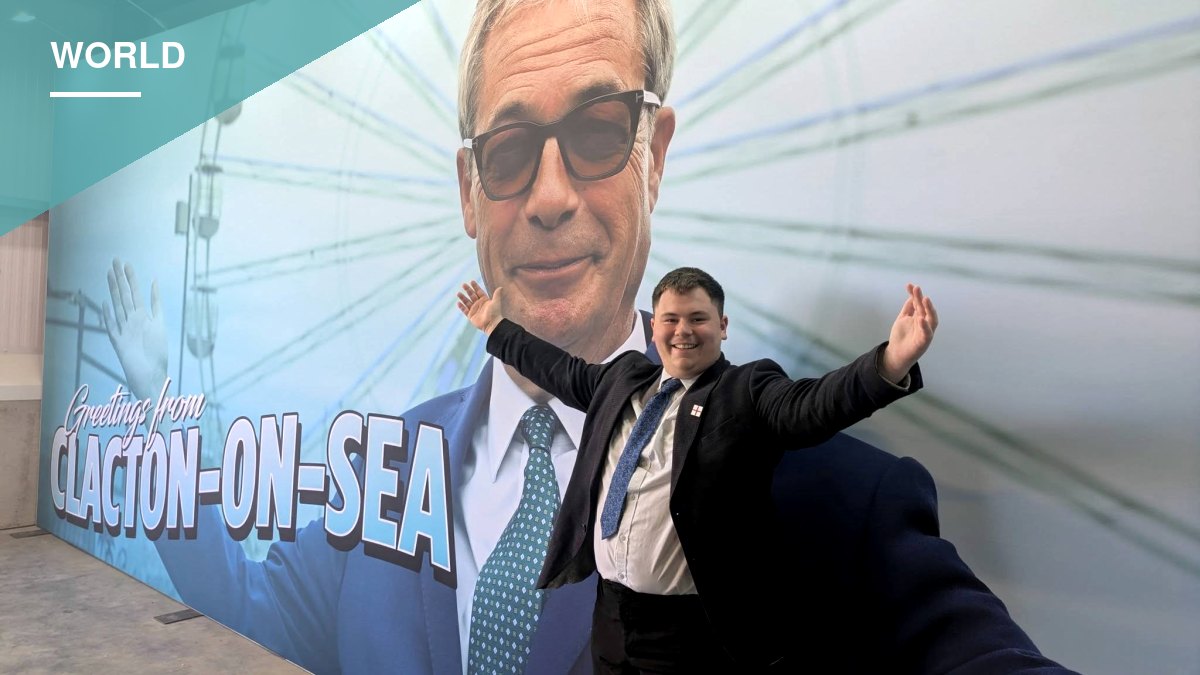
Four West Midlands Police officers arrived at a home in Walsall one morning in August to arrest a 15-year-old boy over posts he made on Facebook mocking a local Conservative councillor. The teenager, identified only as Fraser, was taken from his home in front of his mother and neighbors, had his devices seized, and was driven to a police station where he was fingerprinted, DNA-swabbed, and questioned.
Fraser is a Reform UK supporter who has been active in local politics, attending council meetings and canvassing door-to-door for candidates he favors. His trouble began after he posted an altered image of Wolverhampton Conservative councillor Simon Bennett wearing bunny ears, captioned: “Nibble… nibble… crunch… crunch Can you hear it? That’s the sound of a rabbit devouring the last remaining shreds of Wolverhampton Conservatives’ credibility.”
He had also mocked Bennett for showing up to a council meeting in shorts and a T-shirt, and later joked, when the councillor appeared in a suit, that at least he “was not looking like a rent boy” — British slang for a male prostitute.
Those posts triggered a police investigation into allegations of harassment, malicious communications, and a possible hate crime. The Free Speech Union, which is now representing the teenager, said it received an email from police stating that “it is alleged that your client’s comments could be considered a hate crime offense.” Fraser has since returned home but remains uncertain whether the Crown Prosecution Service will bring charges against him.
A Pattern, Not an Isolated Case
Sam Armstrong, Legislative Affairs Director at the Free Speech Union, said the case fits a troubling pattern he has seen repeatedly.
“Perhaps the most depressing element [of his case] is just how familiar all of the facts are to people like us that are used to handling these cases. Broadly speaking, several thousand people a year are being arrested for, quote unquote, ‘offensive speech’ in the UK.”
Armstrong said the Free Speech Union, founded in 2020, has already taken on 7,000 censorship-related cases in Britain. According to the civil liberties group Big Brother Watch, UK police made more than 60,000 arrests for communications offenses between 2021 and 2025.
“We think the UK has the highest number of speech arrests on Earth, including Russia and Belarus.”
Armstrong said he intends to help Fraser pursue a civil suit once the status of any charges is clarified.
Local police declined to comment on the case, citing standard guidelines. Councillor Bennett did not respond to a request for comment from the New York Post, but told the Telegraph that Fraser had “targeted” him “in a number of Facebook posts” and that the local council advised him to report it to police. Bennett has also claimed the teenager’s jokes were part of a broader pattern of online harassment against him.
Watching From Across the Atlantic
The case has drawn attention from American free speech advocates who argue it illustrates what can happen without constitutional protections like the First Amendment. Sarah McLaughlin, senior scholar of global expression at the Foundation for Individual Rights and Expression, said the episode should serve as a caution to other democracies.
“I think it’s a warning sign for other democracies. The First Amendment is truly the barrier between us and these kinds of arrests, police showing up on your door because they didn’t like what you tweeted.”
FIRE has pursued its own legal battles in the United States, including cases involving a subpoena over a Facebook joke about a mayor, bans on certain words during public council meetings, and the jailing of a Tennessee man over a meme — examples advocates say show that pressure on speech rights isn’t confined to one side of the Atlantic.

