

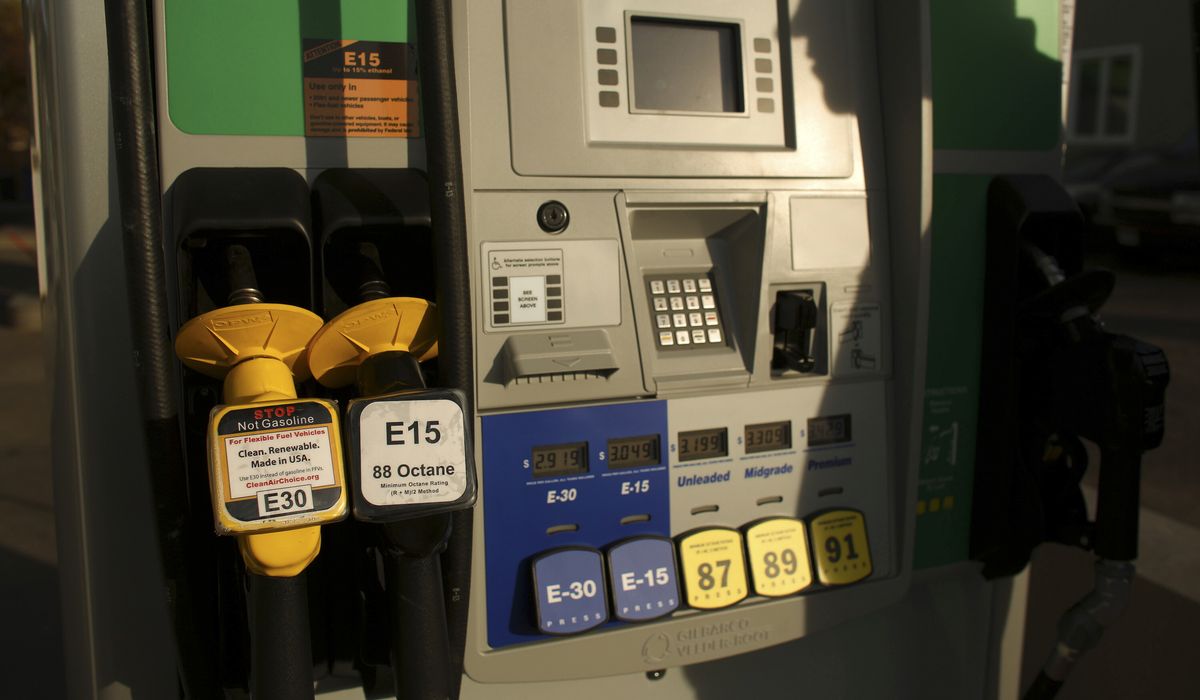
House Republicans divided over a proposal to expand E15 sales, with corn-state lawmakers pushing for bigger ethanol markets while conservative members worry about federal meddling, costs, and unintended consequences.
The debate over E15 turned into a full-on intra-party clash, exposing a sharp split between representatives who represent farm country and those who prioritize limited government and market discipline. Supporters from corn-growing states argue the blend delivers jobs, higher demand for crops, and a boost to rural economies. Critics counter that the push represents another Washington-driven market shift with uncertain benefits for ordinary drivers.
E15 refers to gasoline blended with up to 15 percent ethanol, and the measure on the table would expand production and sales of that blend. Farmers see this as a reliable outlet for corn, translating to steadier prices and stronger rural communities. Opponents worry the policy crowds out private investment and lets Washington pick winners in energy markets.
One flashpoint has been the year-round sale of E15 during summer months, a practice historically limited by air quality rules at the federal level. Republican supporters pushed to remove those seasonal limits so retailers can offer E15 continuously, arguing this increases competition at the pump. Opponents argue the change would create regulatory push that could force stations to invest in new equipment just to comply.
Retail infrastructure came up repeatedly in committee debates, with both sides acknowledging real costs for gas stations to add or change tanks and pumps. Backers say the upfront costs are an investment that pays off through more product options and customer traffic. Skeptics say those expenses fall on small businesses and consumers, potentially raising prices rather than lowering them.
Environmental questions framed part of the conservative case against the expansion, focusing on lifecycle emissions and land-use impacts tied to more ethanol production. Proponents push back that domestically produced ethanol reduces dependence on foreign oil and supports cleaner-burning fuel alternatives at the pump. The room for compromise here is narrow, because each side starts from different assumptions about tradeoffs between energy policy and environmental outcomes.
Another concern raised by critics involved engine warranties and compatibility with older vehicles and small engines like lawn equipment. Supporters maintain that modern vehicles are designed to tolerate E15 and that proper labeling and education can protect consumers. The disagreement is less about facts than about trust in government oversight and industry assurances.
Politically, the split matters because it shows how regional interests can reshape national policy priorities within the same party. Senators and representatives from the Corn Belt have leverage because ethanol means tangible jobs and campaign support back home. Meanwhile conservative members who represent districts without ethanol production see the bill as an example of federal distortion of markets for the benefit of a particular industry.
Fiscal conservatives also questioned subsidies and mandates that have long buoyed the ethanol market, arguing taxpayer dollars should not propped up specific fuel choices. Proponents counter that market certainty for biofuels has long been part of agricultural policy and that a transition toward more domestic energy sources is worth targeted support. The argument unfolded as a familiar debate about the proper role of government in shaping economic outcomes.
On the floor and in private meetings, lawmakers traded data points about fuel prices, rural unemployment rates, and environmental analyses, trying to sway colleagues with numbers and local stories. The corn-state contingent emphasized how many families and small businesses depend on ethanol demand. The conservative wing replied with cautionary scenarios about regulatory creep and long-term costs for consumers who may not see any direct gain at the pump.
Industry groups and state officials weighed in as well, coordinating lobbying efforts and public statements to influence rank-and-file members. Farmers and ethanol producers argued the bill would stabilize markets and encourage investment. Opponents organized around themes of market freedom and skepticism about government-led transitions in the energy sector.
As the push moved through committees, negotiations aimed at carve-outs and protections surfaced, but those amendments often satisfied neither side completely. Proposals to limit federal subsidies or to include consumer protections were floated to bridge the divide. Each tweak reflected the underlying tension between pro-growth energy policy and conservative principles of smaller government and free markets.
The fight over E15 also became a test of legislative priorities, forcing Republican leaders to decide whether to accommodate regional demands or to hold the party line on limited government rhetoric. For some members, supporting ethanol is simple politics and good governance for their districts. For others, opposing expansion is a matter of principle about who should be allowed to shape energy markets.
Whatever the final outcome, the debate made clear that energy policy within the Republican Conference is not monolithic, and that farm-state interests can pull against ideological purity. The clash will likely shape how future energy proposals are crafted, with more attention to local economic impacts and to conservative concerns about federal reach. Lawmakers now face the task of finding language that balances rural economic support with respect for market dynamics.
Expect the E15 issue to reappear in committee markups and floor amendments as members press for protections or giveaways that reflect their district priorities. The next steps will test whether pragmatic compromises can hold or whether the divide will harden into a lasting split on energy and agricultural policy. The outcome will signal how the party reconciles regional needs with broader conservative principles.

