

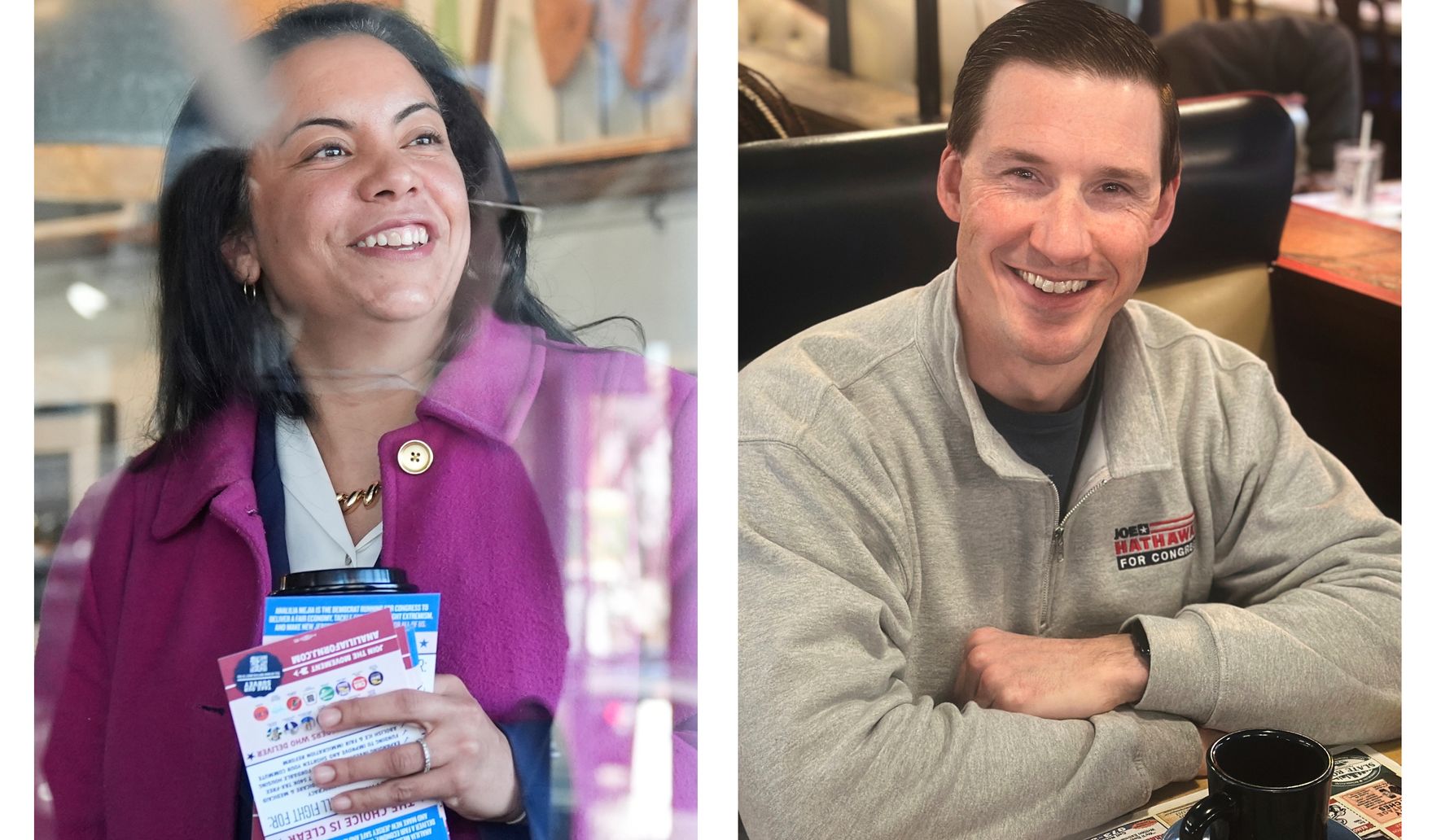
Analilia Mejia and Republican Joe Hathaway face off in a Thursday special election to fill the U.S. House seat vacated by Mikie Sherrill, and the race has become a clear choice about priorities, spending, and local accountability.
Analilia Mejia will try to expand Democratic momentum in New Jersey as she and Republican Joe Hathaway compete in Thursday’s special election to fill the U.S. House seat vacated by Mikie Sherrill. Voters are seeing a tidy national narrative pushed by Democrats, while Hathaway is framing the contest around tax relief, local control, and practical solutions to everyday problems. This matchup is compact but meaningful, and it tests whether national trends can override household concerns in Garden State districts.
The Democratic pitch leans on broader momentum and turnout energy, promising ambitious federal programs and continued spending to address big-picture issues. That message can sound inspiring in theory, but many voters in the district want concrete answers on inflation, housing costs, and public safety. Republicans argue that endless federal initiatives often mean higher taxes, more red tape, and less local say over how money is used.
Joe Hathaway is running as a candidate who stresses fiscal restraint, support for small businesses, and a law-and-order approach that resonates with suburban and small-town voters. His campaign highlights the need to keep government focused on essentials rather than piling on sprawling programs that balloon the deficit. Voters who worry about the long-term cost of liberal spending plans are likely to see Hathaway as a steady, practical alternative.
Campaign focus in the final days has been intensely local, with both sides crisscrossing the district to meet voters and emphasize different priorities. Mejia points to party-driven goals and promises more federal investment in social programs and infrastructure, while Hathaway emphasizes lower taxes, smarter regulation, and protections for local control. The contest has become a referendum on whether federal policy should expand further into daily life or step back to allow communities to set their own course.
Republicans in the area are pushing a message that resonates with families watching prices, commuters dealing with clogged roads, and homeowners concerned about crime. Hathaway’s talking points center on cutting unnecessary spending, supporting law enforcement, and defending parental rights in schools, all framed as ways to restore common-sense governance. Those themes appeal to voters who feel distant from the priorities of big-city political leaders and want practical fixes rather than ideological battles.
On the Democratic side, Mejia’s campaign hopes that energized turnout and national attention will carry her to victory, arguing that federal programs can tackle persistent problems like health care access and climate resilience. But Republicans counter that increased federal involvement often brings higher costs and less transparency, shifting power away from local officials who understand the community best. That tension over where decisions should be made underlies much of the debate in this special election.
Observers note that special elections are low-turnout events where motivated bases and ground games matter more than broad national polls, so door-knocking, phone banking, and clear messaging are decisive. Hathaway’s team is counting on a disciplined field operation to bring out voters who prioritize pocketbook issues and public safety. Democrats are banking on a surge of progressive energy and civic engagement to offset that advantage, making turnout a central battleground.
Fiscal responsibility is a recurring theme in Republican messaging, with Hathaway criticizing chronic deficit growth and warning that unchecked spending will squeeze future generations. Mejia pushes for targeted federal investments she says will reduce long-term costs and improve quality of life, but Republicans argue those promises have frequently led to expanded bureaucracy and unpredictable budgets. The election will signal how much weight local voters place on immediate relief versus long-range investment frameworks.
Beyond policy, character and accountability are playing roles in voter decisions, as both campaigns try to present their candidate as the pragmatic problem-solver the district needs. Hathaway’s pitch is rooted in experience with local concerns and a promise to bring disciplined oversight to Washington. Mejia’s supporters argue she will be a strong advocate for big federal initiatives, leaving the choice to voters who must decide which approach matches their neighborhood needs.
In a short, decisive special election, every vote carries added weight, and this contest will be watched as an indicator of how national narratives translate into local choices. Republican voters see an opportunity to rein in excessive federal spending and reassert local priorities, while Democrats aim to keep momentum going and expand federal programs. The outcome will reflect which message connects more deeply with the people who live and work in the district.

