

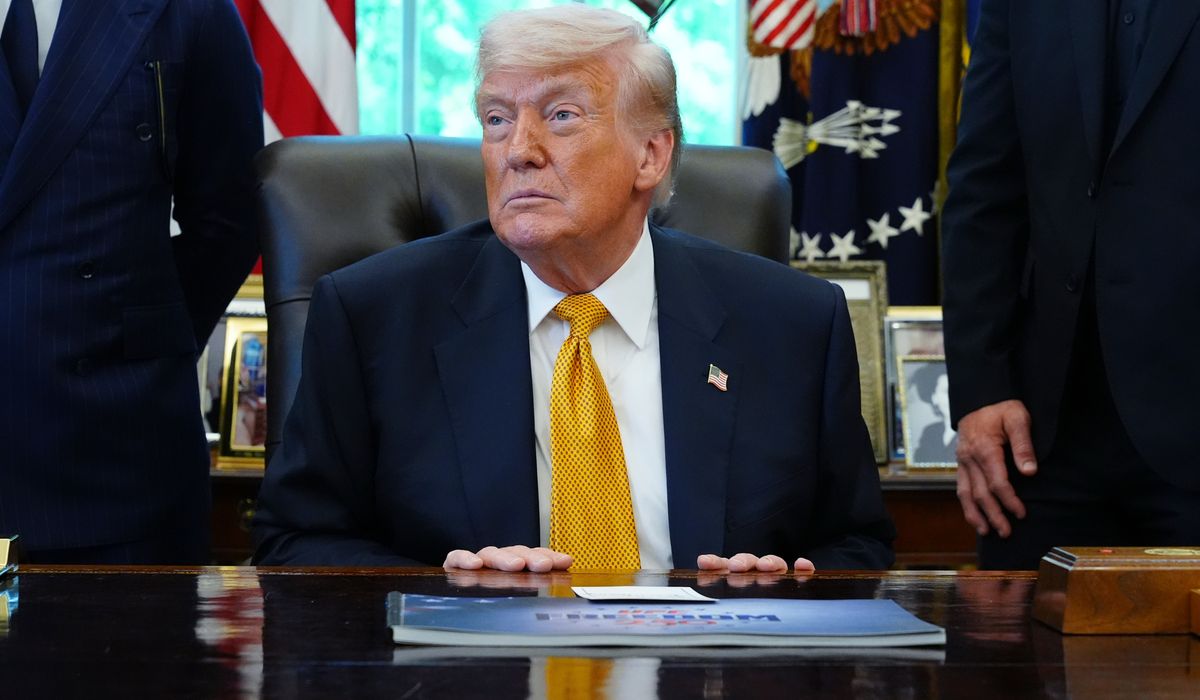
Brazil’s president says President Trump told him in a White House meeting Thursday that the U.S. will not invade Cuba.
Brazilian President Luiz Inacio Lula da Silva told reporters that during a White House meeting Thursday President Trump assured him the United States will not invade Cuba. That simple line carried weight because it speaks to intent without promising policy changes. In plain terms, it was an assurance aimed at cooling fears of military action in the region.
From a Republican perspective, clear public statements about military intentions are useful. They prevent miscalculation and keep focus on real levers of power like sanctions, diplomacy, and support for dissidents. A president who speaks plainly about what he will and will not do helps allies and rivals plan accordingly.
This reassurance does not mean the United States is stepping back from pressure on the Cuban regime. Republicans prioritize strong, targeted measures that squeeze authoritarian governments while avoiding costly ground engagements. Saying we will not invade still leaves room for economic and diplomatic measures that hold regimes accountable.
There is also a practical side: an actual invasion of Cuba would spark regional instability and enormous costs in lives and treasure. Even many opponents of intervention accept that conventional warfare against a sovereign state in the Western Hemisphere would be reckless. The statement helps signal that America prefers tools other than occupation to achieve results.
For Latin American leaders, an explicit line like this reduces the temptation to hype fears of U.S. boots on the ground for political gain. Lula’s comment is a reminder that messaging matters in diplomacy, and that public reassurances can calm markets and domestic politics. Still, words must be backed by policy, especially when human rights and democratic freedoms are at stake.
Republicans will argue that deterrence and pressure should go hand in hand: show resolve, but use sanctions, diplomatic isolation, and support for civil society to create sustainable change. Military action is a last resort, not a default tool for regime change. The White House message reported by Lula fits that approach—avoid invasion while keeping other options on the table.
There’s a risk, however, that such reassurances could be misread as weakness by authoritarian regimes. That’s why Republicans emphasize credible consequences beyond statements, including tightened enforcement of sanctions and partnerships with regional democracies. Clear lines about what we will not do must be matched with clear consequences for unacceptable behavior.
For U.S. domestic audiences, the exchange highlights the unpredictable mix of personalities and strategy in modern diplomacy. A brief White House conversation can become a news cycle and shape policy debates at home. Republicans see value in decisive messaging that avoids open-ended entanglements while advancing American interests.
Ultimately, Lula’s report that President Trump said the United States will not invade Cuba is a diplomatic moment worth noting. It signals restraint without surrender and opens space for nonmilitary strategies to pressure the Cuban government. That balance—strength without unnecessary wars—is a core Republican stance on foreign policy today.

