

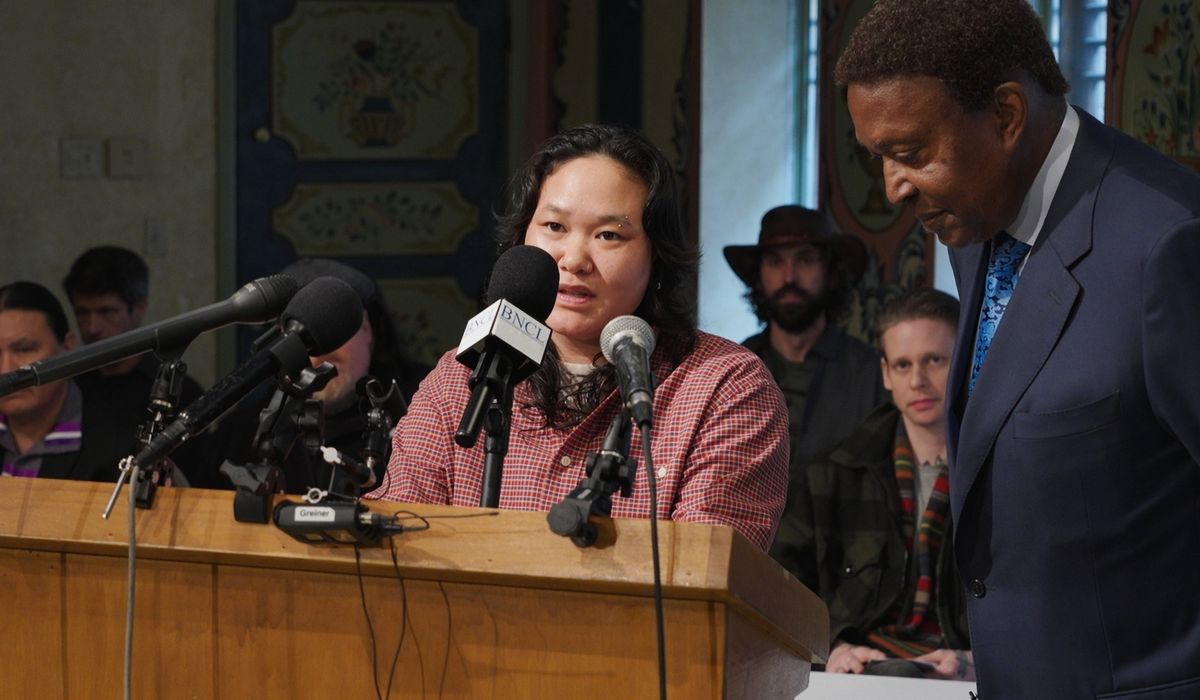
A Minneapolis woman who confronted federal immigration officers with Alex Pretti in January was among a group of potential litigants who spoke Thursday about alleged excessive force.
The woman who stepped between federal immigration officers and others during a January enforcement action in Minneapolis has come forward again. She joined a group of people who spoke Thursday about what they described as alleged excessive force during that operation. Their accounts are part of a developing story that mixes enforcement, confrontation, and questions about tactics.
Federal immigration operations are meant to enforce the law, but they happen in public places and sometimes draw immediate opposition. When enforcement teams move in, bystanders and activists often show up, which can escalate tensions. That January scene included Alex Pretti and others, and now several potential litigants are saying the response by officers crossed a line.
Those who spoke Thursday framed their claims around excessive force and the personal impact they say it caused. They described physical encounters and aggressive handling, and they want answers about how officers behaved on the street. At the same time, federal agents insist they carry out lawful missions and face dangerous conditions that require decisive action.
What happens next is mostly legal and procedural: people can seek civil remedies, file complaints, and ask courts to review conduct. Those steps include requests for footage, witness statements, and formal investigations into whether policies were followed. Legal fights over incidents like this often hinge on whether officers complied with rules and whether independent evidence backs the accounts of those involved.
From a law-and-order perspective, enforcement matters because the rule of law depends on the ability to carry out court orders and detain individuals who are subject to removal. That does not mean officers are above accountability. A Republican viewpoint supports strong immigration enforcement while also demanding clear rules, proper training, and transparent review when force is alleged to be excessive.
Evidence is decisive in these disputes. Body camera footage, surveillance video, and contemporaneous witness statements can confirm or contradict memories and claims. Where recordings exist, they tend to be the center of disputes; where they don’t, the case becomes a contest of narratives. Both sides want the facts on record, and the public wants to know that investigations are fair and not politicized.
Investigations should be thorough and independent enough to inspire confidence on all sides. That means prompt collection of evidence, interviews with bystanders, and a careful review of agency policies and training records. Accountability mechanisms work best when they protect officers from false accusations and also protect citizens from misconduct.
These incidents also play out in public opinion and politics. Activists and local officials may use a single event to press for broader policy changes or to criticize federal priorities. Conversely, politicians who back stricter enforcement will stress the need to support agents doing tough work. The key for voters is separating immediate reactions from the verified record of what happened.
As the potential litigants press their claims, the legal system will sort through the facts and the law. Requests for footage, depositions, and possible filings in federal court will determine how the dispute moves forward. That process is slow, and it will test whether institutions can both secure the border and hold agents to professional standards when force is in play.

