

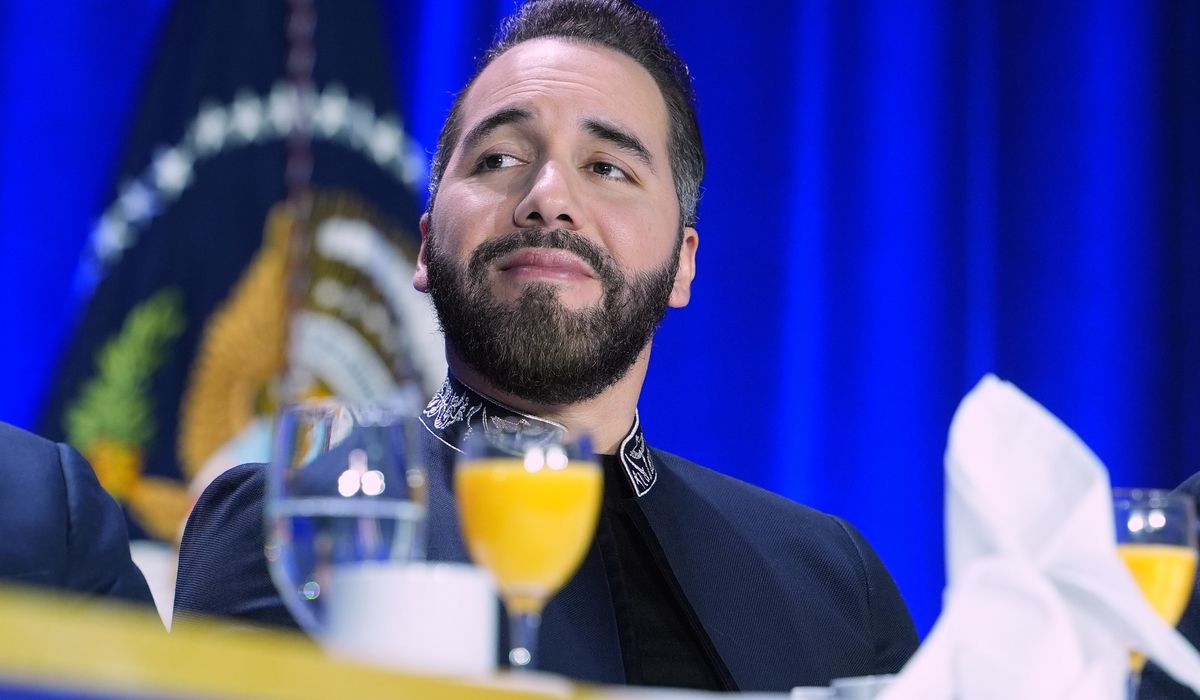
Salvadoran investigative outlet El Faro said Thursday that two of its members had a bank account and property frozen, calling the move an escalation of political pressure and setting off warnings about press freedom and due process in the country.
El Faro’s announcement landed like a splash of cold water: two staff members saw a bank account and real property frozen. The outlet framed the action as a clear escalation of political pressure, and the claim instantly raised alarms among independent press advocates. For anyone watching El Salvador, the case read as another hard test for principles that keep republics healthy.
The timing matters. This is not the first time independent media in El Salvador have faced legal and financial hurdles, but freezing personal assets marks a sharper tactic. When authorities use financial tools against journalists, it risks turning routine law enforcement into a blunt instrument of political control. Conservatives who value order and the rule of law should also value consistent procedures and transparency when justice touches the press.
Asset freezes carry practical effects that go beyond headline risk. A frozen bank account can disrupt daily life, block payroll, and complicate the payment of legal defenses. Property freezes can make it impossible for someone to run a small business or even pay basic bills tied to that property. Those are the kinds of pressures that change behavior fast, and that makes observers wonder whether the measures are genuinely about enforcing the law or about changing how journalists report.
The broader context is an erosion of institutional checks that concerns many outside observers. When legal actions against the press happen in a climate where courts and prosecutors are perceived as aligned with the executive, the lines between law and politics blur. That undermines public confidence in institutions and hands a powerful advantage to those who already hold state power. Republicans who champion limited government and constitutional safeguards should see the danger in letting enforcement tools be used for political ends.
El Faro has built its reputation on investigative reporting that often probes powerful figures and institutions. That work makes it a target for leaders who would rather control the conversation. Using financial penalties or freezing assets is an effective deterrent because it attacks capacity rather than just reputation. If governments can hobble outlets financially, they can narrow the space for watchdog journalism without having to explain why they are doing it.
International reaction tends to be quick, but it is not always decisive. Condemnations from rights groups and foreign observers matter, yet they rarely change behavior unless tied to concrete diplomatic or economic consequences. That leaves domestic political forces and the courts with a central role in restoring balance. Responsible conservatives should favor strengthening objective judicial review and clear legal standards that prevent political objectives from guiding financial enforcement.
There is also a local political calculation at play. Leaders who prioritize security and order can win widespread support even while curbing dissent, especially if they promise results on crime and the economy. That makes pushing back on media restrictions a tricky political proposition for opposition forces. Still, defending transparent institutions and predictable legal rules is not partisan; it is a conservative defense of the constitutional order that allows prosperity and freedom to flourish.
Journalists know the job carries risk, but risk is different from targeted legal pressure designed to silence. Independent reporting on corruption and abuse is often messy and uncomfortable, yet it is essential for long-term stability. If legal tools start to look like political tools, citizens lose a reliable mechanism for holding leaders accountable. That erosion affects everyone who cares about orderly, lawful governance.
The immediate fallout will be focused on the two El Faro members whose assets were frozen and on the newsroom that depends on them. The practical needs of mounting a legal defense and keeping operations running are urgent and concrete. Beyond that, the case will likely become a reference point whenever questions about press freedom and the proper limits of state power are debated in El Salvador and abroad.

