

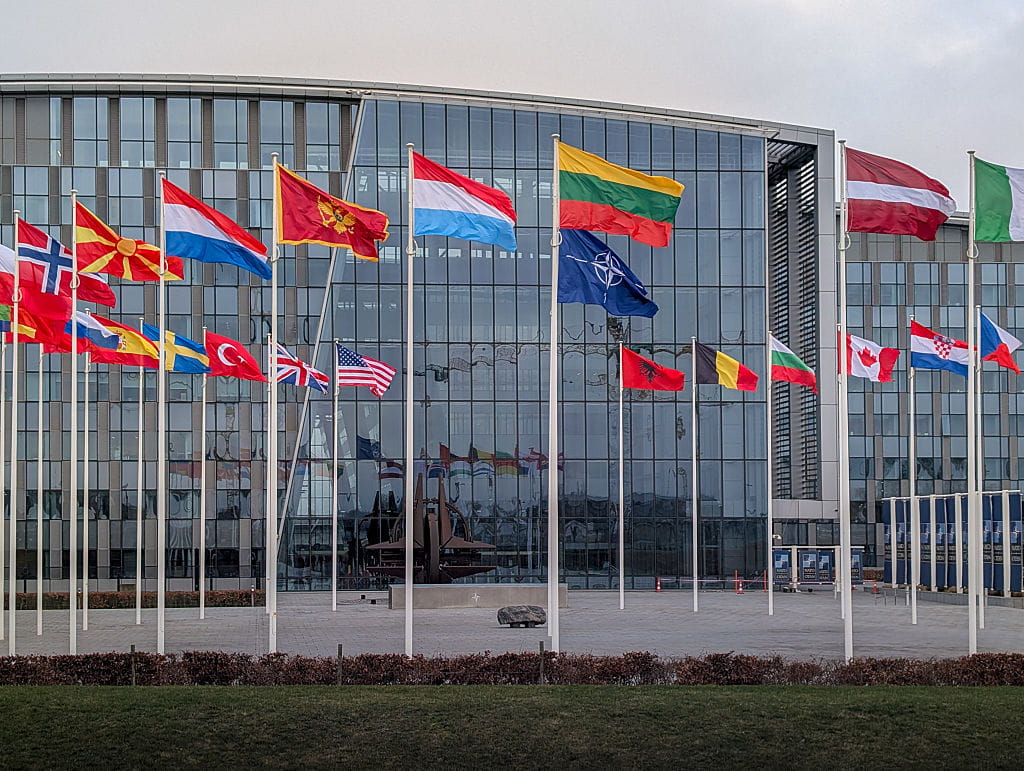
NATO was born in 1949 to stop Soviet aggression, and it still matters, but today the alliance needs tougher talk, clearer goals, and fairer sharing of costs and risks.
NATO’s origin after World War II in 1949 made real sense: a collective shield against Soviet expansion and a way to bind Western democracies together. That shared purpose justified U.S. leadership and sacrifice at the time, and it kept Europe free for decades. Yet history has moved on and so should parts of the alliance’s posture and politics.
From a Republican perspective, gratitude for NATO’s role does not mean blind loyalty to every turn the alliance has taken. We should recognize the victories NATO produced while also calling out the mission creep that followed the collapse of the Soviet Union. Holding allies accountable for their commitments is not anti-alliance; it’s pro-alliance common sense.
Expansion into Eastern Europe after the Cold War made sense in terms of offering security to freed nations, but it also carried risks that were not fully priced in. Adding members up to Russia’s borders increased the political friction in the region and required new contours of deterrence. Smart policy would have married principled enlargement with hard bargaining on responsibilities and contributions.
On money, the math is simple and the rule should be firm: NATO’s 2 percent guideline is not a suggestion to be ignored. The United States has shouldered a disproportionate share of collective defense for years while many partners underinvested. Republicans rightly push for allies to meet their obligations so American taxpayers are not left funding everyone else’s security.
The alliance’s operations also deserve scrutiny. NATO has been pulled into out-of-area missions that stray from its Article 5 core of mutual defense, turning a defensive pact into a catchall for nation-building. That work may be noble in some cases, but it saps readiness for defending territory against a conventional threat. Prioritizing high-end deterrence capability would restore clarity to NATO’s mission.
We should also insist on smarter burden-sharing beyond money. Troops, logistics, infrastructure, and credible surge plans matter as much as budgets. A NATO that can mobilize and sustain forces quickly sends a stronger signal to potential aggressors than endless declarations that lack force posture to back them up.
Reform is possible without abandoning the alliance. Conditioning certain guarantees on minimum contributions, tying assistance to interoperability and readiness standards, and emphasizing deterrence-in-depth are practical steps. Republican policy ought to favor a robust NATO that asks allies to carry their weight and keeps America’s commitments focused, sustainable, and effective.

