

A recent report from the America First Policy Institute has uncovered the shocking involvement of foreign funds in U.S. ballot initiatives, with the Sixteen Thirty Fund at the center of this controversy. This organization, known for its alignment with progressive causes, has been accused of channeling foreign money into American state ballot measures. These initiatives often touch on contentious issues like abortion, election laws, and drug policy, raising questions about the extent of foreign influence on U.S. domestic affairs.
In 2021, a decision by the Federal Elections Commission allowed foreign nationals to fund U.S. ballot initiatives, sparking concerns about external interference in American policy-making. While some states like California, Colorado, and Ohio have implemented bans on foreign money in these initiatives, loopholes still exist. This has led to heated debates about the influence of foreign dollars on American electoral processes.
A University of Maryland survey in 2022 revealed that a vast majority of voters, across party lines, support banning foreign contributions to ballot initiatives. Despite this, the Sixteen Thirty Fund reportedly spent nearly $100 million influencing measures in 25 states, according to a 2024 report by Americans for Public Trust. Such revelations have intensified calls for tighter regulations to protect the integrity of state ballot initiatives.
Ohio serves as a glaring example of how foreign money can impact state policies, with over $14 million spent to support measures reducing fentanyl penalties and enshrining abortion rights in the state constitution. This occurred even though a significant majority of Ohioans opposed foreign involvement in their ballot initiatives. In response, Ohio has now prohibited foreign funding in such initiatives.
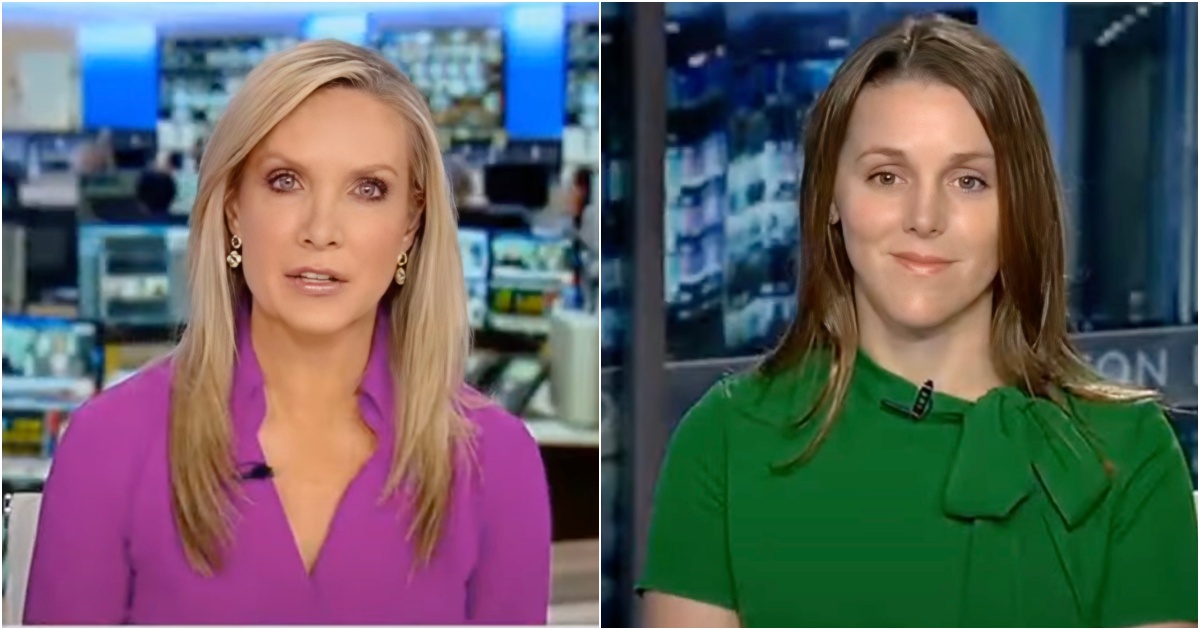
Fox News highlighted this issue in a discussion with Caitlyn Sutherland, Executive Director of Americans for Public Trust, who described this as a coordinated foreign influence campaign. From Ohio to Arizona, state constitutions have been targeted to alter election rules, expand abortion access, and decriminalize drugs. In Ohio, foreign-backed efforts included gerrymandering schemes masquerading as democracy protection.
Dana Perino of Fox News noted that foreign influence on state ballot measures is a recurring issue, but states are increasingly closing these election loopholes. This shift is crucial because many Americans remain unaware of the ongoing foreign interference in domestic policies. Sutherland emphasized that states are pushing back, enacting bans to safeguard their political processes from foreign intervention.
Despite longstanding restrictions on foreign nationals influencing U.S. elections, those rules don’t always extend to ballot measures. This loophole presents a significant threat, as it allows foreign entities to sway state policies and constitutions. States are now recognizing this vulnerability and enacting legislation to protect against such interference.
A report by the America First Policy Institute highlighted that the Sixteen Thirty Fund directed $100 million toward ballot initiatives in 25 states. This significant financial influence raises questions about the Fund’s motives and the policies they aim to shape. The Fund’s targets include controversial topics like abortion, election laws, and drug policy.
Caitlyn Sutherland explained that the strategy behind using foreign money is to bypass the legislative process, as these extreme policies often fail under traditional scrutiny. By placing these measures on the ballot, the fund uses foreign dark money to push through radical agendas. This approach undermines the democratic process and raises concerns about foreign influence on American policy-making.
When questioned about their goals, the Sixteen Thirty Fund stated their commitment to advancing economic opportunity, reproductive rights, and democracy through compliant donations. However, critics argue that such claims mask an extremist agenda. The true impact of their initiatives often contradicts democratic principles by leveraging foreign resources to dictate state policies.
The term “democracy” used by the left, according to Sutherland, often serves as a euphemism for implementing radical changes. For instance, foreign-backed efforts in Ohio sought to manipulate congressional districting and election processes. These actions starkly contrast with democratic ideals, as they involve foreign interference in state governance.
The public’s growing awareness of foreign money in state ballot campaigns has led to increased momentum for bans across the country. States are taking steps to protect their constitutions and policies from foreign manipulation. This movement reflects a broader recognition of the dangers posed by external influence on domestic political processes.
The Sixteen Thirty Fund’s involvement in state initiatives has sparked a nationwide debate about the role of foreign money in American democracy. As states enact bans on foreign contributions, the hope is to restore integrity to the ballot initiative process. Ensuring that only U.S. citizens can fund these campaigns is a step toward safeguarding U.S. sovereignty.
The revelation of foreign funds in ballot measures underscores the importance of transparency and accountability in political processes. American citizens deserve to have their voices heard without the distortion of foreign influence. As more states recognize this issue, there is optimism for a future where domestic policies are shaped solely by American interests.

