

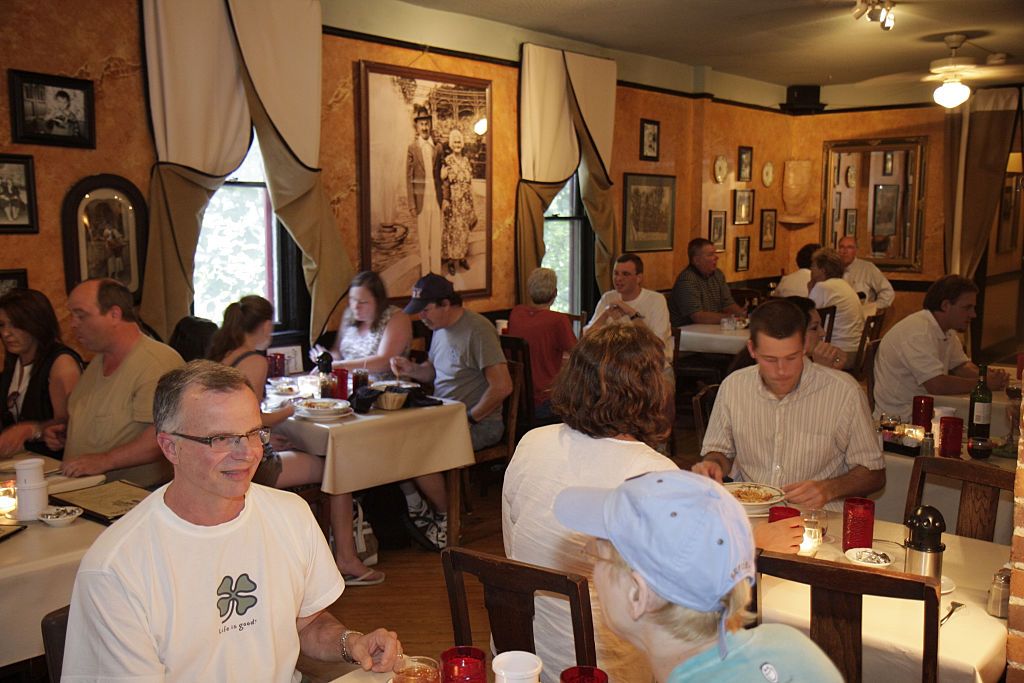
Restaurants and bars across the country are experimenting with phone-free policies as diners and drinkers look for more focused, social experiences.
On May 2, 2026, a growing number of eateries and pubs began testing rules that limit or forbid phone use at tables to encourage conversation and presence. Operators cite customer demand, improved atmosphere, and potential boosts to repeat business when devices are set aside. The movement ranges from gentle nudges to strict policies enforced by staff.
“People are looking for ways to leave screens behind.” That line has become a rallying cry for owners who want guests to reconnect without the constant hum of notifications. Some venues offer phone lockers, while others simply ask patrons to keep screens down during service. The approaches vary, but the goal remains the same: quieter rooms and fuller attention on fellow humans.
Patrons who favor phone-free dining report calmer meals and a better chance to enjoy food, drink, and company. Regulars at pilot locations say they notice longer conversations and a more relaxed mood at shared tables. Critics argue the restrictions can feel intrusive or impractical, especially for those coordinating rides, childcare, or work obligations.
Business owners point to measurable benefits when phones leave the table: slower pacing, more orders for social plates, and longer stays that translate into higher average checks. Staff also say service runs smoother when guests aren’t distracted by screens, which reduces order mistakes and speeds turnover in a positive way. Still, managers wrestle with how strictly to enforce rules without alienating customers.
Some establishments balance the shift by creating designated phone zones or offering secure locker systems so people can carry on with essential communications outside the dining room. Events like device-free happy hours and unplugged brunches give guests a chance to opt in rather than forcing a blanket policy. Those hybrid models appeal to both tech-wary patrons and those who need occasional access to their phones.
Legal and safety concerns factor into how venues craft their policies, too. Restaurants avoid banning phones outright where accessibility or safety might be compromised, and they draft guidelines to protect customers who must remain reachable. Clear signage and staff training help smooth enforcement so rules feel reasonable rather than punitive.
Marketing plays a role in shaping the trend, with some spots promoting phone-free nights as a unique selling point that attracts like-minded customers. The vibe becomes part of the brand: quieter jazz evenings, conversation-first tables, and menus designed for sharing. Competitors can see the results and consider similar offerings, which helps spread the idea across neighborhoods and price points.
Ultimately, the shift toward less screen time in public dining spaces reflects broader cultural choices about how people want to spend their leisure hours. Some diners welcome a break from constant connectivity, while others prefer the flexibility of modern life. As more venues experiment on May 2, 2026 and beyond, the industry will learn what setups keep customers comfortable and coming back.

