

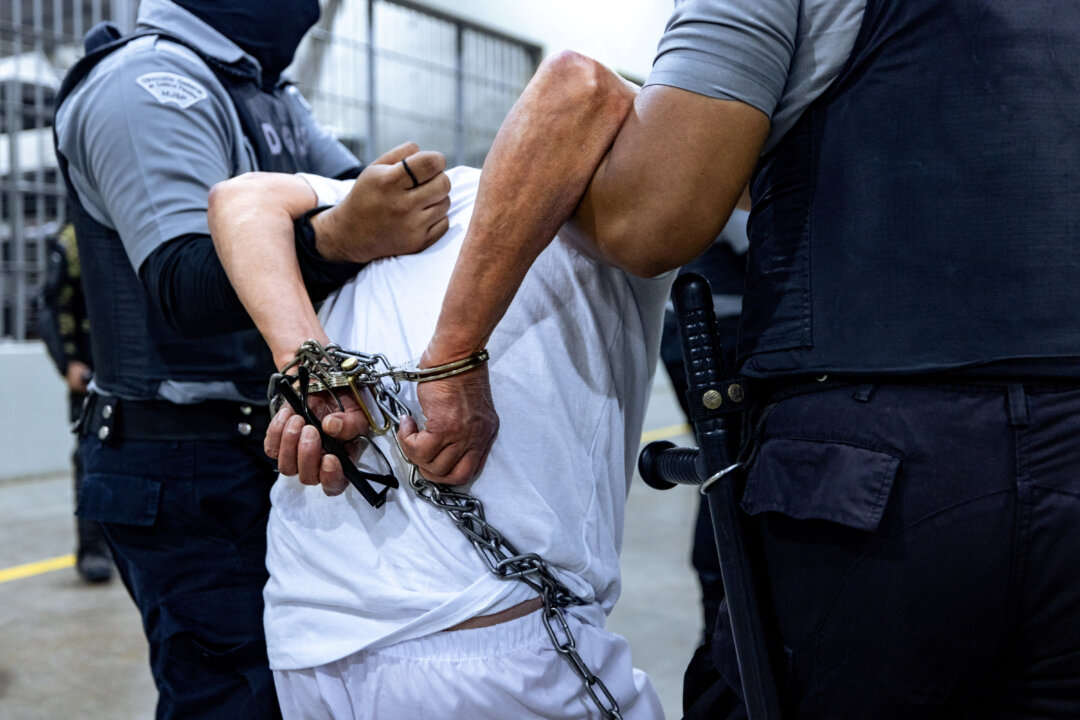
The U.S. Department of the Treasury has decided to impose sanctions on some key figures of the notorious Venezuelan gang, Tren de Aragua. The main target of these sanctions is Hector Rusthenford Guerrero Flores, widely known as “Niño Guerrero.” Along with him, five other individuals, considered influential leaders and affiliates of the gang, have been sanctioned.
Tren de Aragua is infamous for its criminal activities, which stretch far beyond Venezuela’s borders. According to Fox News, this gang has been involved in a wide range of illegal operations, including drug trafficking and human smuggling. These activities have had a detrimental impact on the stability and security of the entire region.
The Treasury Department’s Office of Foreign Assets Control (OFAC) is taking this strong stance to disrupt the gang’s operations and financial networks. By targeting the leadership, the U.S. aims to weaken the gang’s influence and reach. As reported by the New York Post, this move is part of a broader effort to combat organized crime and protect American interests.
These sanctions are not just symbolic; they come with real consequences. All assets owned by these individuals within the United States are now frozen. This action also prohibits Americans from engaging in any business with them, cutting off significant financial resources.
“Niño Guerrero” and his associates have long been a thorn in the side of law enforcement. Newsmax highlights that their criminal activities have led to widespread violence and corruption. This step by the U.S. government is seen as a crucial measure to curb their operations.
The U.S. Treasury’s actions send a clear message that criminal activities will not be tolerated. By placing these sanctions, the U.S. aims to set an example of zero tolerance towards organized crime. This move is expected to pressure other nations to take similar actions against such gangs.
The sanctions are part of a strategic plan to dismantle the operations of Tren de Aragua. This gang is more than just a local problem; its reach extends into international waters. The impact of their illicit activities has been felt across various countries, making this action timely and necessary.
Venezuelan authorities have been criticized for their inability to effectively control such gangs. Critics argue that the government’s lack of action has allowed these groups to flourish. The U.S. sanctions are seen as a necessary intervention to fill this gap.
The collaboration between U.S. intelligence and international partners has been instrumental in gathering evidence against these individuals. This coordinated effort highlights the importance of global partnerships in tackling organized crime. The commitment to justice transcends borders and political differences.
Tren de Aragua’s operations have also been linked to other criminal networks. Their alliances with various groups have made them a formidable adversary. By targeting the leadership, the U.S. hopes to disrupt these alliances and weaken their power.
The sanctions are a testament to the U.S. government’s unwavering commitment to protecting its citizens. These actions are aligned with the values of justice and security that have long been championed by conservative leaders. The U.S. remains steadfast in its resolve to fight against crime and corruption.
The impact of these sanctions will likely be felt immediately within the gang’s ranks. Leaders who were once untouchable are now facing significant challenges. This disruption could lead to a power vacuum and potential infighting among the group’s members.
The decision to sanction “Niño Guerrero” and his associates is based on solid evidence. The U.S. Treasury has ensured that these actions are legally sound and justified. By following due process, the integrity of the sanctions is maintained.
The U.S. government remains vigilant in its fight against global organized crime. These sanctions are just one of many tools used to combat criminal activities. The ongoing efforts demonstrate a proactive approach to maintaining international security.
The Treasury Department’s decisive actions reinforce the United States’ leadership in the global fight against crime. By taking a stand, the U.S. encourages other nations to join in this crucial battle. Together, a united front can effectively challenge and dismantle criminal networks.
While these sanctions are a significant step forward, the fight against Tren de Aragua is far from over. Continued vigilance and cooperation with international partners will be essential. The U.S. remains committed to pursuing justice and ensuring a safer world for all.

