

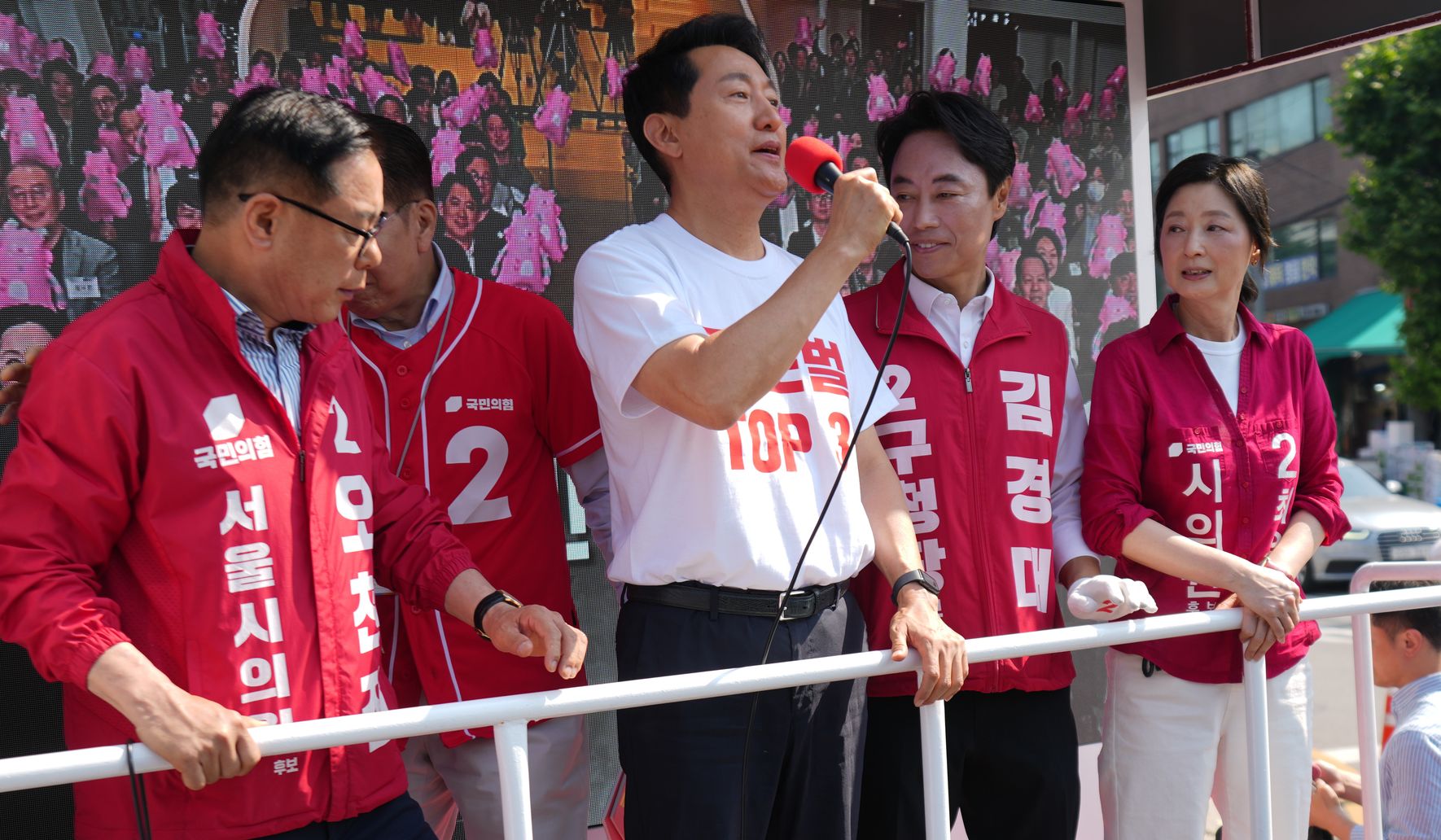
South Korea’s local elections have become a clear political test, with voters casting ballots in mayoral and other races that can shift power at the city and provincial level. The contest will be watched closely by leaders and voters alike, because results could shape policy choices and signal how much support the central government keeps after a turbulent first year.
South Koreans began voting Wednesday in mayoral and other local elections that are seen as a gauge of support for President Lee Jae Myung’s year-old liberal government. Local offices carry real authority over budgets, housing, schools and policing, so these races matter beyond party labels. Voters tend to use local contests to send a message to the national leadership, and this cycle is no different.
From a conservative perspective, these elections are an opportunity to push back against what many see as overreach from Seoul. Critics argue that rapid policy shifts and big-spending programs have left taxpayers nervous and businesses uncertain. The voters deciding city councils and mayoralties will weigh pocketbook issues alongside calls for stricter public safety and more accountable governance.
Economy and housing are central themes across multiple districts, with citizens complaining about costs and stagnant wages. Local governments control zoning and municipal services that directly affect affordability, so the outcomes will influence how cities approach development and subsidies. Republicans argue that tighter budgets and private-sector incentives, rather than expansive new welfare programs, produce sustainable growth.
On public safety and order, conservative candidates are drawing contrast with the current national administration, arguing for clearer priorities and stronger local policing. Mayors and governors can change how municipal police and emergency services are deployed, which becomes a tangible difference for voters. That practical focus often wins support from citizens who want visible results rather than abstract promises.
Foreign policy and national security also shadow these local contests, especially given North Korea’s unpredictable behavior. Republican-leaning voices emphasize the need for firm alliances and deterrence, worrying that soft approaches could embolden Pyongyang. Local leaders influence morale and civil preparedness, and their tone matters when national tension rises.
Voter turnout will be a key indicator of enthusiasm on both sides, and campaigns are working hard to mobilize their bases. Conservatives are concentrating on rallying older voters and small-business owners, while the ruling party looks to draw youth and urban progressives. How these groups show up on election day will determine whether the result is interpreted as a warning, a mandate, or a wash.
The media narrative after results will shape political momentum. Republicans intend to frame gains as a rebuke of centralized planning and a call for fiscal restraint, while the liberal camp will argue that local results reflect deeper social priorities that go beyond budgets. Either way, winners will use municipal authority to implement their visions quickly, making the elections consequential for policy over the next few years.
Civic reforms and transparency are front-and-center campaign talking points in many races, with candidates promising clearer procurement rules and anti-corruption measures. Conservatives stress accountability and efficient services, arguing that better governance costs less and serves citizens more effectively. Local administrations with those priorities can set an example for national politics by trimming waste and improving performance.
Ultimately, these local elections offer a snapshot of public mood after a year under President Lee Jae Myung’s liberal leadership, but they do more than reflect sentiment. They reshape the balance of power, change how money and services flow, and give voters hands-on control over policies that affect daily life. For Republicans, the moment is both a check on the ruling party and a chance to prove that different choices can deliver better results where people live and work.

