

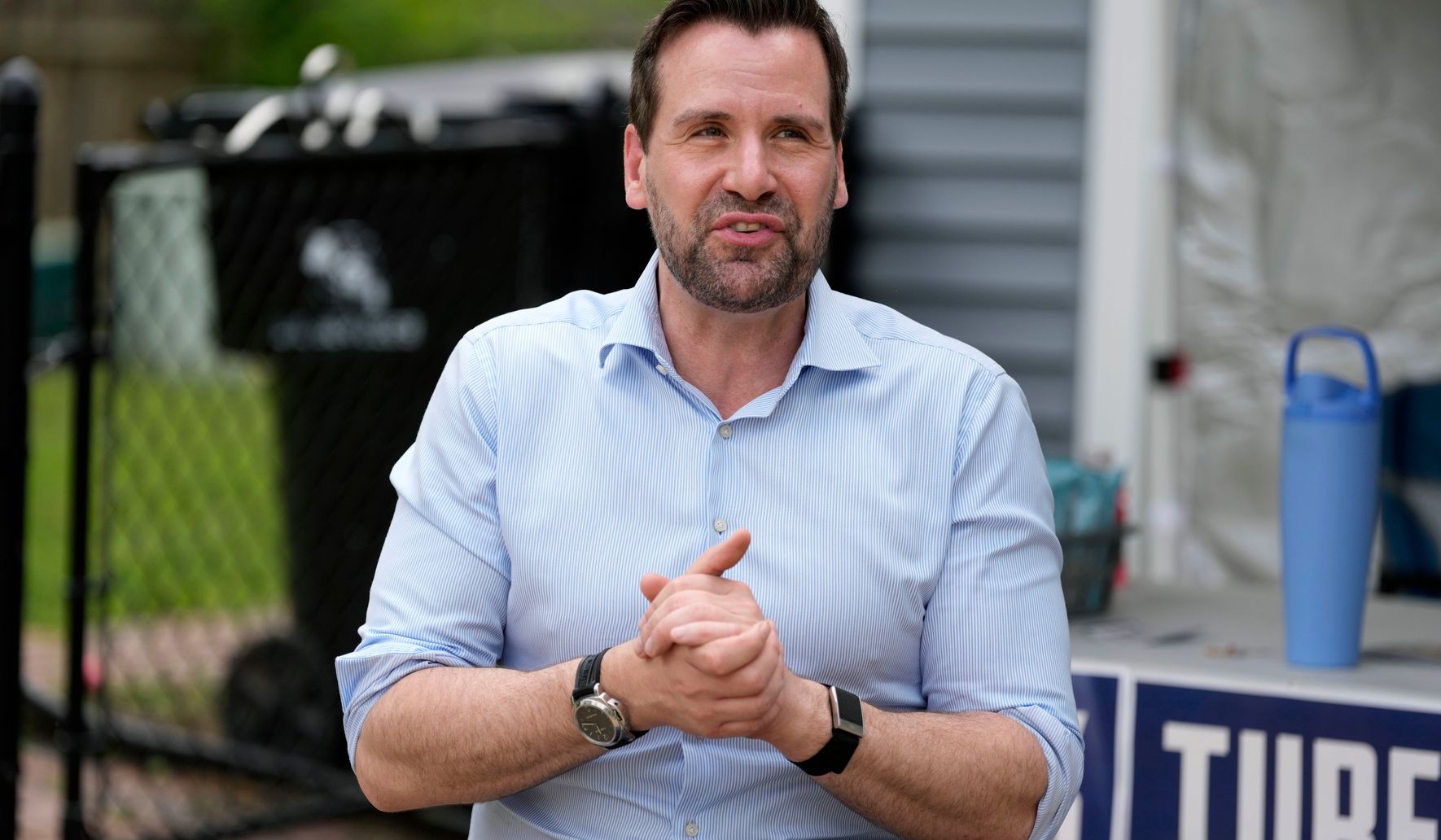
Iowa state Rep. Josh Turek won Tuesday’s Democratic primary for U.S. Senate and will next try to flip the seat currently held by GOP Sen. Joni Ernst, who is retiring. The race opens a clear battleground moment for both parties as Republicans prepare to defend a seat in a state that has trended conservative in recent cycles.
Josh Turek’s primary victory puts him at the center of a contest Republicans do not intend to lose. He is a state representative stepping up to challenge the Republican bench in an open-seat Senate race, and that dynamic forces both sides to sharpen their messages. For Republicans, the priority will be to hold the seat and remind voters of the state’s fiscal and social priorities.
The fact that Sen. Joni Ernst is retiring changes the math. Open seats remove the power of incumbency and give Democrats an unusual opportunity, but they also hand Republicans a chance to set the terms early and nominate a candidate who reflects Iowa’s conservative lean. Expect GOP strategists to emphasize record, rural issues, and economic messaging aimed at the state’s swing voters.
Turek will now be the Democratic standard-bearer and must translate a primary win into broad statewide appeal. Democrats will point to national themes and try to mobilize urban and suburban voters, while Republicans will argue consistency with Iowa values and the record on taxes, energy, and agriculture. That contrast is a familiar one, and it tends to favor the party that best connects to local economic concerns.
The GOP case is straightforward: defend the seat by focusing on practical issues that resonate in every corner of Iowa. Rural broadband, farm policy, and affordable energy are not flashy, but they are the things people vote for when they think about who represents them in Washington. Republican operatives will push messages that link local needs to federal policy outcomes.
Democrats, for their part, will try to nationalize the race and make it about broader themes like healthcare and civil rights, hoping to bring turnout from cities and college towns. Turek’s challenge is to broaden his coalition and appeal to moderate independents who have swung the state in recent statewide contests. Winning over those voters requires discipline, precise messaging, and an ability to avoid controversy that could alienate swing voters.
Money and organization will decide a lot of how competitive this becomes. Open Senate seats attract national attention and big dollars, and both parties will see this as a test case for their midterm strategies. Republicans will use their advantage in state infrastructure and local networks to keep the race close, while Democrats will lean on national donors and grassroots energy to try to change the calculus.
Voters will also weigh character and competence alongside policy. Republicans will look for a nominee who can carry rural counties while maintaining strength in suburbs, and they will be aggressive about defining opponents early. That strategy aims to pin down the narrative before Democrats can fully mobilize an urban coalition that might otherwise tilt the outcome.
Campaign tactics will include steady outreach in small towns and targeted messaging where swing voters live. Retail politics still matters in Iowa, and face-to-face contact can be decisive in tight contests. Republican operatives will emphasize local presence, veteran endorsements, and issue credibility to frame the matchup on their terms.
The coming months will show whether Democrats can turn a primary win into a general election breakthrough or whether Republicans can hold the line. The loss of an incumbent complicates the dynamics, but it does not hand the seat to one side automatically. For Republicans, the path to victory is to control the narrative, highlight local issues, and present a candidate who embodies Iowa’s priorities without getting distracted by national theatrics.

