

NATO Nations Send Ships to Protect Greta Thunberg’s ‘Gaza Flotilla’
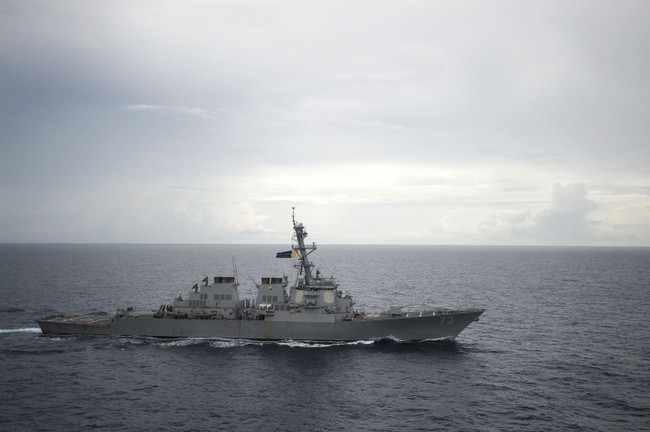
Italy and Spain quietly dispatched naval surface combatants to shadow a small flotilla led in part by Greta Thunberg, a protest that mixes theater with purported humanitarian intent. From a conservative perspective this looks less like relief and more like a high-profile stunt that co-opts international institutions for publicity. At a time when NATO capacity is strained, diverting ships to escort a selfie-centered convoy raises real questions about priorities.
The vessels bill themselves as protectors of aid, but the flotilla’s logistics tell a different story — these boats cannot carry meaningful tonnage of supplies for Gaza, they can carry optics. What arrives on board matters far less than the headlines that the participants harvest along the way. That gap makes the mission look engineered to provoke sympathy rather than solve problems.
In early September, the “activists” caught themselves on video manufacturing a drone attack.
The most recent alleged drone attack occurred on a Wednesday and became the public justification some European governments used to step in. Evidence and timing suggest the incident served as a convenient pretext for political theater, not as proof of imminent danger to commercial shipping. That pattern is precisely why critics sniff a staged campaign designed to force a crisis narrative.
GAZA FLOTILLA FAKES “ISRAELI DRONE ATTACK”1. Drone fires don’t have red/purple color.
Flares do.2. Drone bombs don’t burn before they drop. Flares do.
3. Where are the fragments from the “bomb” ?
4. Tunisian authorities confirm there was zero drone activity in the area.… https://t.co/nXdb2kMTHS pic.twitter.com/8FWxvtnWRe
— Voice From The East (@EasternVoices) September 9, 2025

Israel offered to transload supplies from the flotilla to other vessels for safe delivery to Gaza, a practical workaround that prioritizes getting aid to people rather than to cameras. The flotilla’s leaders, however, appeared uninterested in that compromise, choosing instead rhetoric and confrontation over collaboration. In short, logistics were set aside for spectacle.
The flotilla’s leaders rebuffed the call for collaboration. “We will continue directly to Gaza to deliver the humanitarian aid, to open up the humanitarian corridor,” said Yasemin Acar, a member of the flotilla’s steering committee. The movement’s messaging is clear: bypass existing channels, force a headline, and point to any clash as proof of victimhood.
The headline-grabbing leader amplified the script with a familiar chant: “We are sailing peacefully in international waters, we are not carrying weapons, we are carrying food, baby formula, medical supplies, and water, and we are sailing to break Israel’s illegal and inhumane siege.” That kind of absolutist language is designed to polish the narrative rather than address the messy realities of conflict zones. When non-government actors insist on single-handed solutions they often create the very incidents they later denounce.
Italy’s decision to escort the flotilla looks partly tactical and partly domestic. Spain’s participation reads more like a virtue-signaling move to a domestic audience that rewards dramatic solidarity gestures. Neither choice is painless; both expose NATO to diplomatic friction with Israel and to criticism at home for misplaced priorities.
Italian Prime Minister Giorgia Meloni has called the flotilla organizers irresponsible: “There is no need to risk one’s safety and enter a war theater to deliver aid to Gaza,” and her warning is straightforward and sober. Meloni faces a tricky political landscape at home after years of migration pressures that limit her maneuvering room. Yet her statement underscores a basic conservative point: brave posturing is not the same as prudent policy.
Both Rome and Madrid say they will escort the flotilla only as far as Israel’s territorial waters, a narrow concession that still creates an awkward diplomatic moment for NATO. At a time when the alliance should be laser-focused on cohesion and deterrence, members taking actions perceived as antagonistic toward a democratic partner is a strategic misstep. Allies should coordinate responses through clear, joint channels rather than perform public rescues that inflame regional tensions.
The flotilla’s antics underline a deeper problem: a network of activists, NGOs, and celebrities who prefer dramatic confrontation to quiet, effective aid. When activists manufacture incidents or reject practical solutions, they turn humanitarian missions into political theater that can endanger both volunteers and diplomatic ties. Conservatives should call for aid delivery that protects lives, respects sovereign concerns, and avoids stunts that risk escalation.
NATO navies can and should protect sea lanes and merchant shipping, but they should not be diverted into acting as security escorts for PR-driven convoys. If governments want to help civilians in Gaza, fund and support vetted humanitarian corridors that coordinate with local authorities and security providers. Real help is measured in food and medicine delivered, not in viral videos and fundraising drives.
In the long run, the best conservative answer is simple: prioritize effective, secure aid channels and stand firmly with democracies that work to preserve order, including Israel. Allowing activist spectacles to drive policy undermines alliance unity and hands strategic advantage to those who would exploit chaos. NATO’s focus needs to be deterrence and cohesion, not escorting celebrity-laden expeditions into geopolitical flashpoints.

