

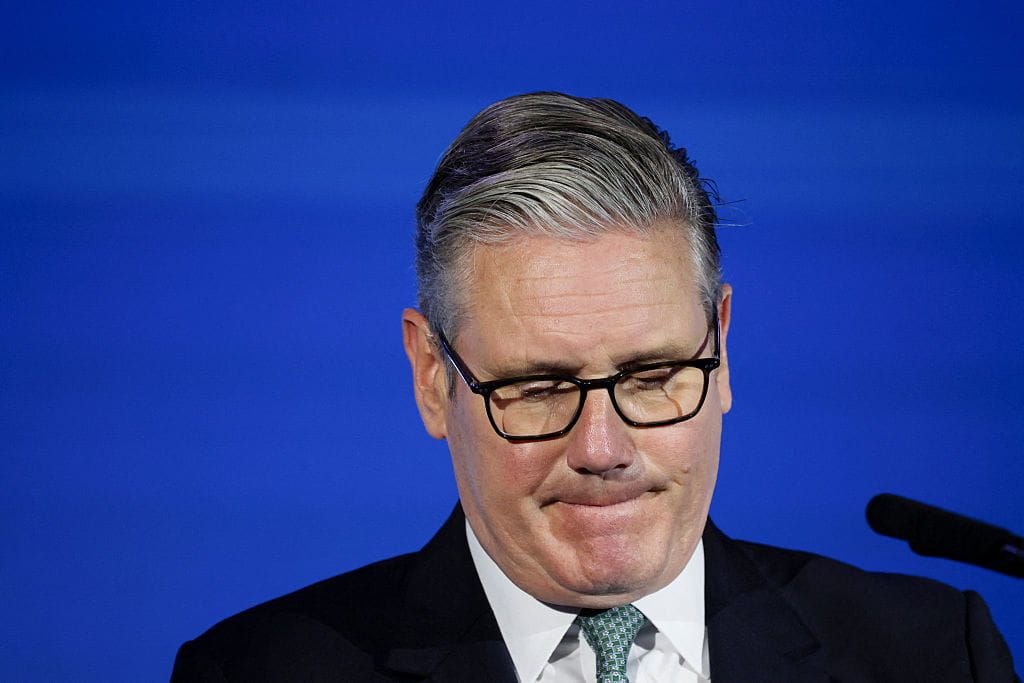
UK voters have put Prime Minister Keir Starmer on notice, signaling impatience with promises that have yet to produce visible improvements in daily life.
On Jun 19, 2026, the mood across towns and cities feels less like cautious optimism and more like a ticking clock for the government in Westminster. Voters are assessing a record on public services, the economy, and national identity, and they are quick to trade patience for action when results lag. “It’s not a question of if, but when.” captures that growing impatience in a single line.
Conservative-leaning critics argue that Labour’s rhetoric has not translated into the decisive change people were promised. Many citizens report steady or worsening experiences with health care access, housing pressure, and family budgets, which chips away at trust. That gap between promise and perception is the danger Starmer faces from an electorate that wants measurable outcomes.
On the economy, voters are focused on practical measures that affect take-home pay and job security rather than abstract policy debates. Inflation, energy bills, and taxation remain daily realities for households trying to make ends meet. The Republican viewpoint emphasizes fiscal responsibility and accountability, insisting that leaders must prove their stewardship with clear, sustainable choices.
The National Health Service remains a top concern and a political lightning rod, with long waits and staff shortages fueling frustration. People expect reform that improves access and reduces delays without sacrificing standards. For many voters, a reliable NHS is nonnegotiable, and failing to deliver on that front invites electoral consequences.
Immigration and border control have also moved higher on the list of voter priorities, tied closely to public services and community cohesion. Residents want policies that balance compassion with control and that ensure local services are not overwhelmed. Political messaging that fails to address those practical impacts will ring hollow to those on the receiving end.
Crime and public safety are framing everyday conversations, especially in towns where visible policing feels uneven and justice seems slow. Voters expect leaders to set clear priorities and back law enforcement with resources and legal tools that restore order. When citizens feel unsafe, they look for a government that delivers decisive and enforceable solutions.
On foreign policy and national defense, many voters expect clarity and strength, not shifting stances that create uncertainty among allies. A credible deterrent and steady diplomacy reassure citizens who worry about global instability. For Republican commentators, a firm posture abroad complements practical governance at home.
Energy and environmental policy have to pass a simple test for voters: reliable supply at a reasonable cost. Support for greener options exists, but only so long as families are not forced to choose between heating and other essentials. Policymakers who ignore affordability risk losing public support even among people sympathetic to environmental goals.
Local economies, from manufacturing towns to rural communities, need targeted attention rather than one-size-fits-all plans from central government. Investment and sensible regulation can revive areas left behind by globalization and technology shifts. Voters reward leaders who deliver tangible projects and clear timelines that create jobs and restore civic pride.
Public trust depends on transparency and consequences when officials fall short, not on rhetoric about intentions. Voters notice when policy timelines slip and when accountability seems muted, and they respond accordingly at the ballot box. Republican voices emphasize straightforward standards of performance and expect politicians to face real repercussions for failure.
The political center of gravity can shift quickly when people feel their basic needs are ignored, and history shows that electoral surprises are often driven by practical grievances. Starmer’s government will be judged on visible improvements to daily life rather than persuasive speeches. For now, the message from voters is blunt and clear: deliver results or face the political fallout.

