

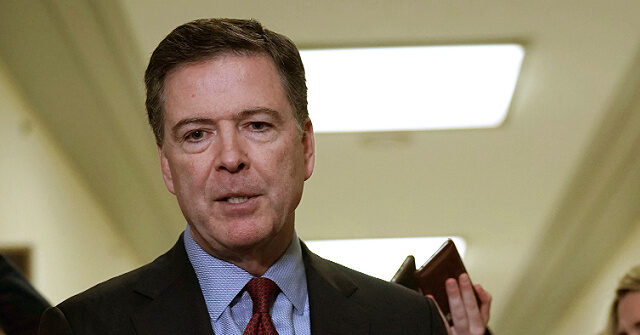
Charlie Kirk’s persistent warnings about former FBI Director James Comey are suddenly being viewed through a sharper lens after Comey’s federal indictment on charges of making false statements and obstruction of justice. For years conservatives dismissed as partisan the alarms Kirk sounded about Comey’s judgment and conduct. Now that federal prosecutors have filed action, many on the right see those warnings as not only political bluster but a premonition of real consequences.
This moment is less about gloating and more about institutional accountability from a conservative perspective. Republican commentators argue that federal power must be constrained and that public figures like Kirk played a role in pushing for scrutiny. The narrative of vindication resonates with voters who long distrusted a Justice Department that felt politically untethered.
There is also a human angle that complicates the politics: some reporting tied intense public debate to tragic events earlier this month, labeled by some outlets as an assassination. Whether or not those reports are settled, the surrounding chaos amplified the stakes and the emotions tied to Comey’s indictment. For many Republicans, that chaos only underscored how high the price can be when public institutions lose the trust of citizens.
Look, this is not just about one man or one indictment; it is about precedent. If federal prosecutors will take on a former FBI director, the message to bureaucrats and political appointees is clear: actions have consequences. Conservatives argue that this should be the baseline for a functioning republic, where no one is above the law.
From a Republican viewpoint, the Comey indictment is a shot across the bow of a deep-state mindset that insulated itself from accountability. Charlie Kirk’s critiques often focused on how unelected officials could influence elections and investigations, and now those critiques are part of the public record. Vindication, in politics, rarely comes neat or complete, but this development fuels long-standing calls for reform.
Republicans will insist this moment be used to institute real changes inside the FBI and Justice Department. They want clearer rules about investigatory conduct, transparency for special counsels, and firmer boundaries for career officials who can make or break reputations. That agenda frames the indictment not as partisan revenge but as corrective policy work.
There is also a long memory at play. Many on the right have cataloged moments where they believe institutions overreached or acted with bias. Those grievances are political capital that figures like Kirk channeled into a movement that demands consequences. The indictment feeds that memory and reinvigorates activists who want systemic fixes rather than episodic headlines.
Critics will call this selective prosecution or political theater, and that pushback matters. Republicans, facing that critique, will argue the case should hinge on evidence and legal standards, not on the noise of media cycles. A fair process, to them, is essential to maintain the moral high ground when pushing for reforms.
Politically, this opens opportunities and risks for the GOP. On one hand, the party can use this to rally voters around rule-of-law themes and against perceived elite impunity. On the other hand, leaning too far into celebrating prosecutions of political opponents risks normalizing retribution, which could be harmful come the next turnover in power. Smart conservative strategy will balance accountability with institutional restraint.
The cultural angle cannot be ignored either. The right has long portrayed media and academic elites as biased; an indictment of a prominent bureaucrat feeds that worldview. Charlie Kirk and his peers will run with that narrative, emphasizing how ordinary citizens were right to question elites all along. That story line plays well among voters who feel overlooked by traditional institutions.
At the same time there are real legal questions to watch: how strong the government’s evidence is, whether plea deals or further indictments follow, and how appellate courts will treat any convictions. Republicans will watch closely and frame every procedural move as either proof of fairness or evidence of partisanship. The legal process will ultimately determine how durable the political fallout becomes.
For conservatives who admired Kirk’s blunt style, this moment is validating but also humbling. It demonstrates that loud warnings can influence the conversation, but it also shows the limits of rhetoric when faced with legal complexity and real-world consequences. The broader conservative movement now faces the task of translating outrage into durable policy changes without sacrificing principles.

