

Judge Blocks Trump From Sending Troops To Portland
A federal judge put a pause on President Trump’s plan to send National Guard troops to Portland, saying the move would cross constitutional lines on military involvement in domestic policing. That decision is a flashpoint for questions about executive authority and how far a president can go to protect federal property. From a Republican point of view, this feels like the courts tying the president’s hands against real threats on the ground.
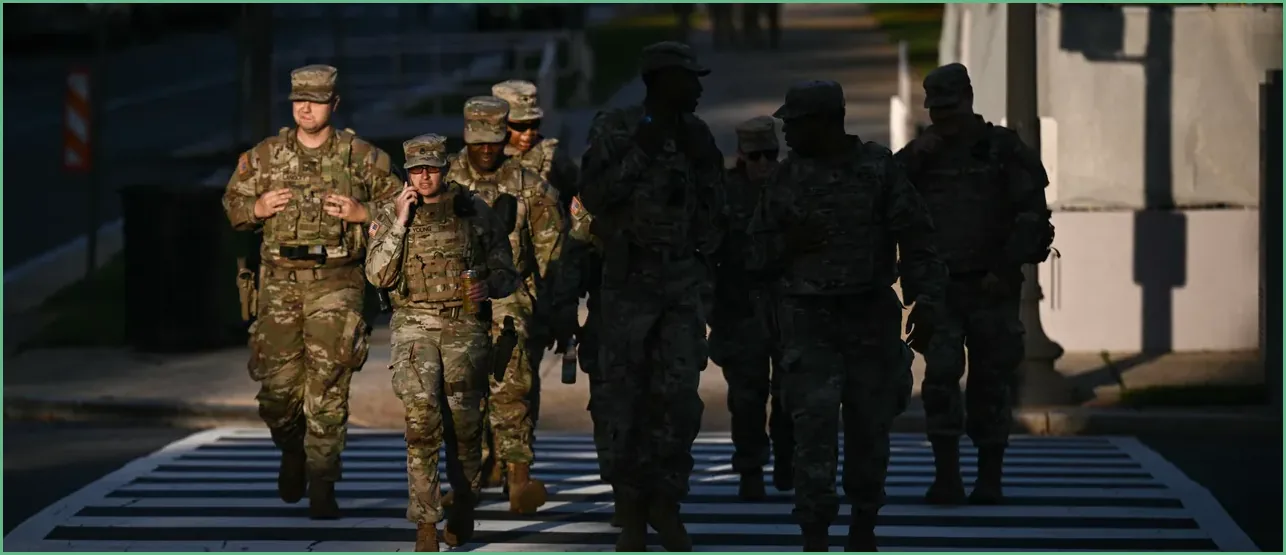
U.S. District Judge Karin Immergut issued a temporary restraining order that prevents the administration from deploying hundreds of troops to the Oregon city. The order came after a review of the situation that led the judge to conclude the administration’s assessment did not match what was happening locally. Conservatives worry that calling a measured response unlawful sets a dangerous precedent for future unrest.
At the center of the ruling was the judge’s blunt line: “The President’s determination was simply untethered to the facts,” which she wrote in her opinion. That phrase has lit up both legal and political debates about standards of proof for deploying federal forces within U.S. cities. Republicans argue that when federal facilities and personnel come under attack, the president must have room to act without facing immediate judicial second-guessing.
Local accounts in the judge’s review suggested protests outside a south Portland immigration facility were mostly peaceful for stretches and described them as small and uneventful. That finding fed the legal conclusion that large-scale troop deployments were not justified at that moment. Supporters of the administration say reality on the ground can shift quickly and that waiting for perfect conditions risks harm to federal workers.
Trump announced he would deploy 200 National Guard troops to support immigration authorities, framing the move as a defense of federal assets against what he described as “domestic terrorists.” He then directed Secretary of War Pete Hegseth to send “all necessary troops.” That direction reflects a unitary executive view of the president’s duty to secure federal property and enforce immigration laws.
The White House pushed back fast after the restraining order, with spokeswoman Abigail Jackson saying, “President Trump exercised his lawful authority to protect federal assets and personnel in Portland following violent riots and attacks on law enforcement — we expect to be vindicated by a higher court,” which signals the administration plans to appeal. Legal battles are likely to move quickly because the stakes involve public safety and how the federal government responds to civil disorder. Republicans see appeals as a way to get clarity about legitimate presidential powers in crisis moments.
The court set the temporary restraining order to run for a defined period, and it expires in 14 days. That limited window means the issue will return to court very soon, and higher judges may get the final say on the balance between executive action and civil liberties. For many conservatives, this countdown underscores the urgency of resolving how far the president may go when federal facilities are threatened.
JUST NOW: Judge Karin Immergut rules President Trump is hereby BLOCKED from commanding the National Guard to quell Antifa violent insurgency in Portland.
We have BIG problems. pic.twitter.com/JRe5kwdIGW
— Eric Daugherty (@EricLDaugh) October 5, 2025
Federal immigration officials say the ICE detention center faced nightly attacks for more than 100 consecutive nights, and they contend local police offered minimal help. Those claims matter in court because continuous assaults on federal sites strengthen the argument for federal intervention. On the other side, local officials have pushed back about the scale of violence and about whether military-style force is appropriate in a civilian city.
On Saturday, federal agents used tear gas, mace and pepper spray against hundreds of protesters who marched to the facility, an escalation that feeds both the political fire and legal scrutiny. The administration has also ordered a review to identify federal funds that could be cut to Portland as punishment for what it calls a lack of local cooperation. That move is political pressure wrapped in fiscal policy and it is meant to force local leaders to change course.
Karoline Leavitt, the White House Press Secretary, framed the funding threat plainly when she said, “We will not fund states that allow anarchy,” and that line makes clear the administration sees a fiscal lever as part of its toolkit. For Republicans, withholding federal money from jurisdictions that fail to defend basic order is a legitimate, constitutional response. Critics counter that cutting funds hurts residents and escalates partisan conflict instead of solving root causes of unrest.
The legal fight now heads to an appeals court where judges will have to weigh constitutional limits on the use of military force inside America against the president’s responsibility to protect federal property. Republicans will argue the Framers did not intend for the president to face immediate judicial veto every time federal workers are at risk. If conservatives prevail on appeal, it could restore broader executive discretion in similar situations nationwide.
Whatever the outcome, this case raises bigger questions about who decides when force is justified and how to keep cities safe without trampling civil liberties. Republicans urge a balance that favors protecting victims and federal workers while preserving judicial review after action, not before it. The coming legal rulings will matter for the next time federal property is threatened and for how America defines the limits of law and order.

